- English
- French
- German
- Portuguese
- Spanish
- Russian
- Japanese
- Korean
- Arabic
- Greek
- German
- Turkish
- Italian
- Danish
- Romanian
- Indonesian
- Czech
- Afrikaans
- Swedish
- Polish
- Basque
- Catalan
- Esperanto
- Hindi
- Lao
- Albanian
- Amharic
- Armenian
- Azerbaijani
- Belarusian
- Bengali
- Bosnian
- Bulgarian
- Cebuano
- Chichewa
- Corsican
- Croatian
- Dutch
- Estonian
- Filipino
- Finnish
- Frisian
- Galician
- Georgian
- Gujarati
- Haitian
- Hausa
- Hawaiian
- Hebrew
- Hmong
- Hungarian
- Icelandic
- Igbo
- Javanese
- Kannada
- Kazakh
- Khmer
- Kurdish
- Kyrgyz
- Latin
- Latvian
- Lithuanian
- Luxembou..
- Macedonian
- Malagasy
- Malay
- Malayalam
- Maltese
- Maori
- Marathi
- Mongolian
- Burmese
- Nepali
- Norwegian
- Pashto
- Persian
- Punjabi
- Serbian
- Sesotho
- Sinhala
- Slovak
- Slovenian
- Somali
- Samoan
- Scots Gaelic
- Shona
- Sindhi
- Sundanese
- Swahili
- Tajik
- Tamil
- Telugu
- Thai
- Ukrainian
- Urdu
- Uzbek
- Vietnamese
- Welsh
- Xhosa
- Yiddish
- Yoruba
- Zulu
Are J30J connector pins compatible with J29A connectors?
Engineers and buying workers in industrial robotics, aircraft, and testing must make sure that the pins on J30J connectors and J29A connectors can work with each other. The simple answer is no. J30J rectangular connector pins and J29A connectors do not work with each other because of major changes in how they are designed, arranged, and connected mechanically. There are different industry standards for these two groups of connectors, and their actual measurements are not interchangeable. This means that they can't be used together directly without the right connections or special solutions.
Understanding J30J and J29A Connectors: Basic Overview
Understanding the fundamental characteristics of both connector types provides essential insight into their respective applications and technical limitations. These differences directly impact procurement decisions and system integration strategies across various industrial sectors.
J30J Rectangular Connector Specifications
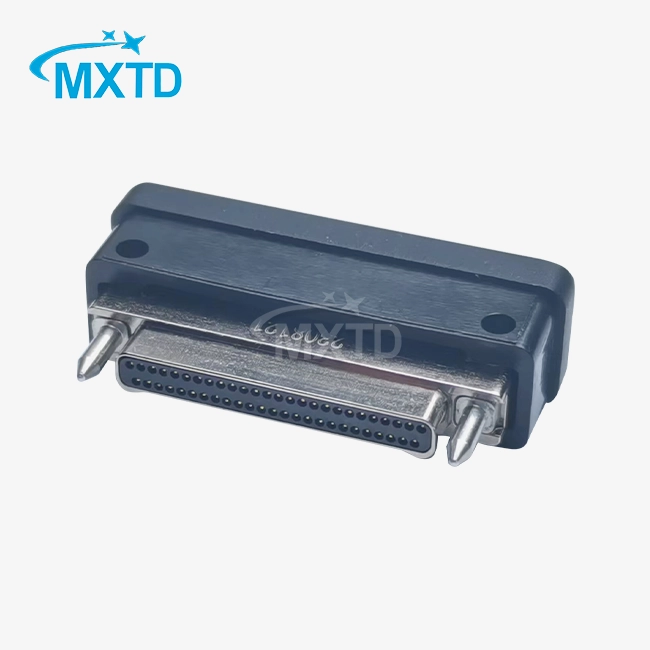
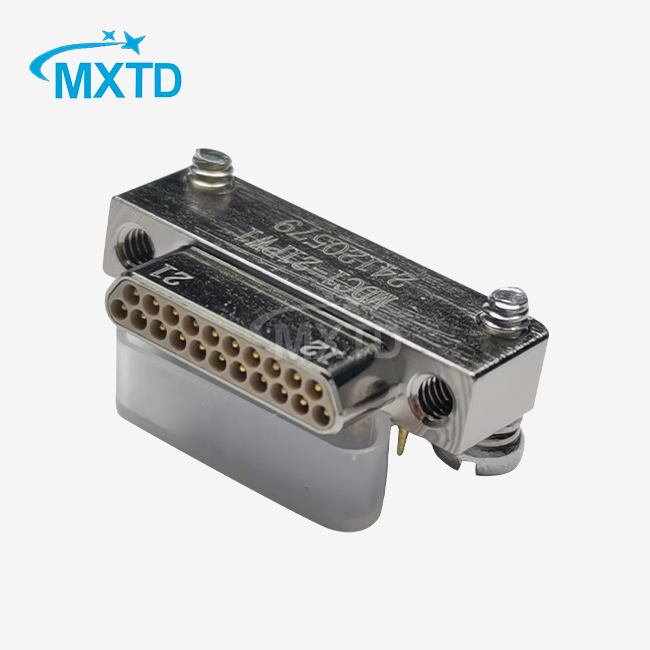
The J30J rectangular connector is a high-tech option made for harsh environments with a lot of connections that need to be very reliable. This connection system meets the requirements of GJB2446A standards, which are the same as MIL-C-83513 standards and are widely used in the US military and aircraft industry. The design theory focuses on making things smaller without lowering their quality, which makes it perfect for places with limited room. These connections have twist pins, which are stretchy single-pin contacts that offer better electrical communication through multiple contact points. With 1.27 mm of horizontal spacing and 1.1 mm of row spacing, the high contact point density design allows for the most pins in the smallest possible space. As an added safety measure, each connection has a metal protective shell and an extra metal tail cover. This makes the mechanical sturdiness and defense against electromagnetic interference better. There are eleven different standards in the full line of products, running from 9 to 144 cores: 9, 15, 21, 25, 31, 37, 51, 66, 74, 100, and 144 pin configurations. This wide range can meet the needs of a wide range of applications, from simple control circuits to complex data transfer systems.
J29A Connector Characteristics
J29A connectors are made using different design concepts that focus on making strong mechanical links that can be used in heavy-duty industrial settings. Compared to the small J30J series, these connectors usually have bigger sizes and different pin setups. The J29A family focuses on tough building that can handle difficult weather conditions like high or low temperatures, shaking, and water exposure.J29A connectors use traditional industry standards for their pin layout and spacing, which puts mechanical power over small size. This way of designing makes links that work well in places where durability is more important than space, like in cars, big machinery, and industrial control.
Compatibility Analysis Between J30J and J29A Connector Pins
The technical evaluation of compatibility requiresa detailed examination of both electrical and mechanical specifications to determine interchangeability potential. This analysis reveals significant incompatibilities that prevent a direct connection between these connector families.
Electrical Specification Comparison
An electrical compatibility test shows that the J30J rectangular connector and J29A connections have fundamentally different pin assignments, voltage rates, and current-carrying capacities. The J30J rectangular connection system works with certain electrical factors made for exact measurement and control tasks. It has accurate resistance characteristics and low signal loss qualities. The two types of connectors have very different current-carrying capacities. The J30J pins are better for signal security than for high-power uses. The specs for the contact resistance are also different, which can change how well the system works, generally in sensitive testing situations. Because of these changes in electricity, pin-to-pin compatibility can't happen without the right signal conditioning or adaptation circuits.
Mechanical Interface Analysis
A physical fit test shows that the J30J and J29A adapter types don't match up well in terms of size. The J30J line has a small, rectangular shape with carefully designed specs, while J29A connections have different shell sizes and ways of connecting. There are big differences between these connection groups in pin thickness, length, and how they join. For the J30J twist pin design to work, the matching connection shape has to be just right, which J29A sockets can't do. Also, the locking systems and shell designs don't work with each other, so even with adapters, a safe mechanical link can't be made.
Comparative Review: J30J Connector Versus J29A and Other Connectors
Performance evaluation across multiple parameters helps procurement professionals understand the relative advantages and limitations of each connector type in specific applications. This comprehensive comparison encompasses technical performance, economic considerations, and practical implementation factors.
Performance Metrics Analysis
Testing for environmental protection shows that each connection family has a range of powers. When high signal integrity and small packaging are needed, J30J rectangular connectors are the best choice. This is especially true in controlled settings like labs and test equipment. The metal protective ring does a great job of blocking electromagnetic radiation, which is very important for systems that use precise measurements. The J29A joints work better in difficult situations like changing temperatures, being resistant to vibrations, and being exposed to wet conditions. The strong design can handle mechanical stress better than smaller options, which makes them good for mobile apps and equipment that is used in the field. Longevity tests show that both types of connectors meet the needs of their specific applications when they are placed and defined correctly. The J30J series is very reliable in controlled settings, and repeated connections don't wear it down much. On the other hand, J29A connectors keep working even after being exposed to tough conditions for a long time.
Economic Considerations for Procurement
A cost study shows that there are big changes between adapter families in terms of their starting prices, supply, and total buying costs. Because they need to be made with precision and special materials, J30J cylindrical connections usually cost more than other connectors. However, the high pin density often lowers the overall cost of the system by reducing the number of connectors that need to be used. The lead time for J30J connections can change based on the specifics and the level of customization needed. Standard setups keep supply high, while unique pin arrangements may need longer production processes. J29A connectors usually have shorter lead times because their designs are common and they have a wider network of suppliers. Different types of connectors have different minimum order amounts that affect how they are bought. For J30J specialized uses, smaller amounts are usually needed at higher unit costs. On the other hand, for J29A commercial uses, bigger amounts are usually needed at better unit costs.
Procurement and Usage Guidance for Global B2B Clients
Strategic procurement decisions require careful evaluation of technical requirements against practical constraints, including budget, timeline, and supply chain considerations. This guidance helps procurement professionals navigate the complex landscape of connector selection and sourcing.
Application-Specific Selection Criteria
To choose the best connection, you need to carefully look at the surroundings, the signal needs, and the technical limitations. J30J rectangular connectors work great in situations that need a lot of pins, accurate signal integrity, and small packaging. Because of these traits, they work great for test tools, measurement systems, and high-precision instruments. Environmental factors are very important when choosing a connection. Temperature ranges, shaking levels, and contamination exposure have a big effect on how reliable something is over time and how much upkeep it needs. The J30J line works best in controlled settings where accuracy is more important than toughness. When using high frequencies, the choice of connection is often based on how well the signal needs to be protected. The J30J twisted pin design and metal protection make them more electromagnetically compatible than regular industrial connections. This is why they are necessary for measuring things that are very sensitive.
Procurement Strategy Optimization
Procurement strategies that work well balance technology needs with the facts of the economy and the dependability of the supply chain. Building relationships with qualified providers guarantees regular product quality and on-time deliveries. Because connection standards are so complicated, providers need to have a lot of scientific knowledge and the ability to make things. When looking for precision connections, quality assurance methods become more and more important. Checking that a product meets important standards like GJB2446A and MIL-C-83513 makes sure that it works with other systems and is reliable. For aircraft and defense uses, documentation needs to include full tracking and approval.
Company Introduction and Product & Service Information
Xi'an Mingxi Taida Information Technology Co., Ltd. is a well-known and respected company around the world that makes high-precision connectors and combined measurement systems. Our company was founded in 2014, but we have more than 12 years of experience researching, developing, and making advanced connection technologies. Our wide range of goods includes PXIe base boards and cards, precision ports, testing products that are built in, and specialized measuring tools. The company has a professional research and development team with a lot of skills and dedicated after-sales service experts. This way, the company can quickly respond to customer needs and provide excellent standard and customized solutions. The J30J Series Micro Rectangular Electrical Connector is our most popular product. It meets GJB2446A requirements and is the same as MDM series goods used in the United States. Our production skills allow us to precisely meet the needs of each customer. They support both standard setups and unique OEM/ODM solutions. Quality control is still very important to us, and we make sure that every product meets our high standards for performance by using thorough testing methods. Our dedication to quality is shown through quick and helpful technical support, such as video advice over the internet, free software updates, and full guarantee coverage.
Conclusion
The question of whether the J30J rectangular connector and J29A connectors are compatible shows that the designs are fundamentally different, which means they can't be used interchangeably. When high pin density and signal integrity are needed for precise uses, J30J rectangular connectors work best. On the other hand, J29A connections work best in harsh industrial settings. When you know about these differences, you can make smart choices about buying that improve both technical performance and economic value. Professional help and careful examination of the requirements make sure that the right connection is chosen for important uses in the military, aircraft, and industrial automation industries.
FAQ
Can J30J connector pins be physically inserted into J29A receptacles?
Physical insertion is not possible due to fundamental differences in pin dimensions, spacing, and connector shell designs. The J30J rectangular connector utilizes specific mechanical interfaces that are incompatible with J29A receptacle geometry.
What are the key factors affecting connector compatibility in industrial applications?
Pin configuration, electrical specifications, mechanical dimensions, environmental ratings, and locking mechanisms represent the primary compatibility factors. Signal integrity requirements and electromagnetic interference protection also influence connector selection decisions.
Where can I obtain detailed technical specifications for J30J and J29A connectors?
Authoritative technical documentation, including datasheets, wiring guides, and application notes are available through qualified manufacturers and distributors. Military and aerospace standards organizations provide comprehensive specification documents for regulated applications.
Partner with MXTD for Your J30J Rectangular Connector Requirements
MXTD delivers unmatched expertise in precision connector solutions tailored to your specific measurement and control system needs. Our J30J rectangular connector manufacturer capabilities encompass both standard and custom configurations, ensuring optimal performance for your critical applications. Contact our engineering team at manager03@mxtdinfo.com to discuss your requirements and discover how our proven expertise can enhance your system reliability and performance through superior connector technology.
References
1. Military Specification MIL-C-83513: Connectors, Electrical, Rectangular, Miniature, High Density, Quick Disconnect. Department of Defense Interface Standard.
2. GJB2446A-2018: Connectors, Electrical, Rectangular, Miniature, High Density. General Equipment Department of the Chinese People's Liberation Army.
3. Institute of Electrical and Electronics Engineers. "IEEE Standard for Electrical Connectors Used in Aerospace Applications." IEEE Aerospace Standards Committee.
4. International Electrotechnical Commission. "IEC 61076-2-101: Connectors for Electronic Equipment - Product Requirements - Circular Connectors." IEC Technical Committee.
5. Society of Automotive Engineers. "SAE AS39029: Performance Standard for Aerospace Electrical Connectors." SAE International Aerospace Standards Division.
6. American National Standards Institute. "ANSI/TIA-968-A: Technical Requirements for Connection of Terminal Equipment to the Telephone Network." Telecommunications Industry Association.
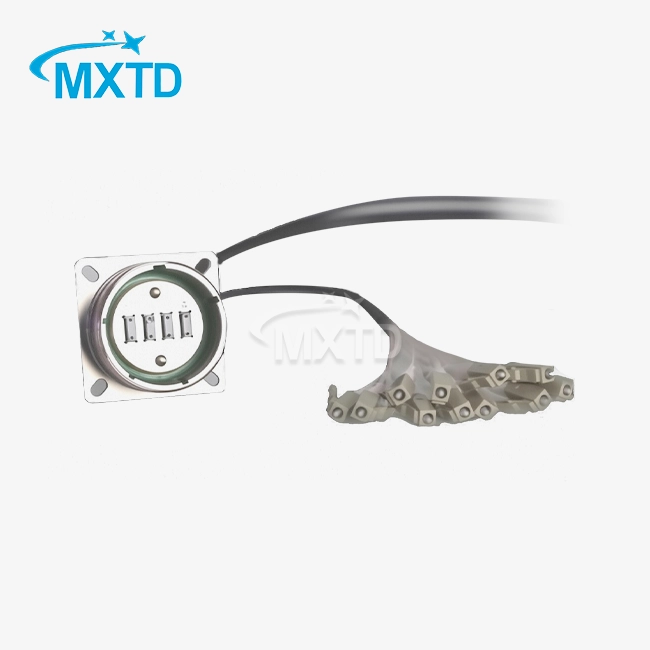
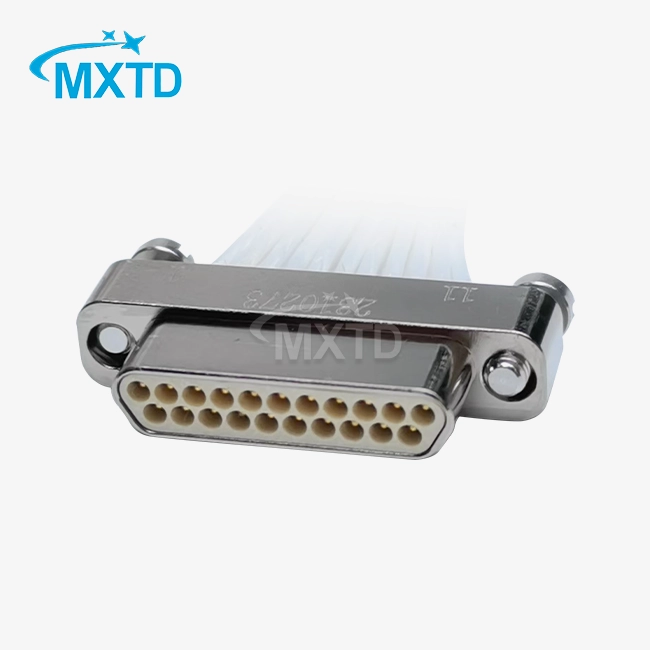
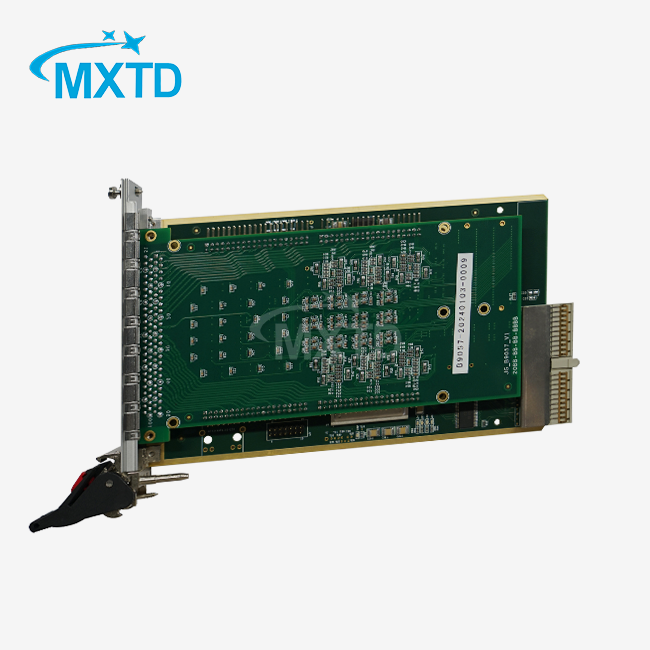
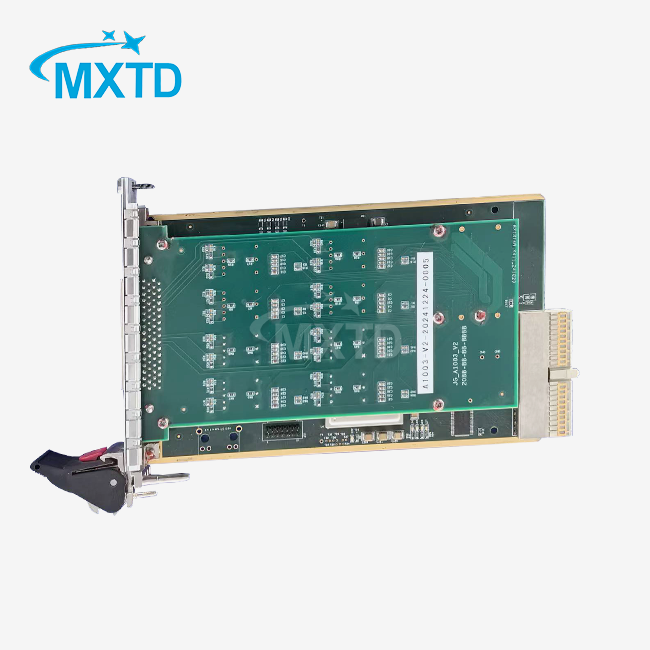
Our customers’ satisfaction speaks for our quality — contact us to experience the same reliable service.