- English
- French
- German
- Portuguese
- Spanish
- Russian
- Japanese
- Korean
- Arabic
- Greek
- German
- Turkish
- Italian
- Danish
- Romanian
- Indonesian
- Czech
- Afrikaans
- Swedish
- Polish
- Basque
- Catalan
- Esperanto
- Hindi
- Lao
- Albanian
- Amharic
- Armenian
- Azerbaijani
- Belarusian
- Bengali
- Bosnian
- Bulgarian
- Cebuano
- Chichewa
- Corsican
- Croatian
- Dutch
- Estonian
- Filipino
- Finnish
- Frisian
- Galician
- Georgian
- Gujarati
- Haitian
- Hausa
- Hawaiian
- Hebrew
- Hmong
- Hungarian
- Icelandic
- Igbo
- Javanese
- Kannada
- Kazakh
- Khmer
- Kurdish
- Kyrgyz
- Latin
- Latvian
- Lithuanian
- Luxembou..
- Macedonian
- Malagasy
- Malay
- Malayalam
- Maltese
- Maori
- Marathi
- Mongolian
- Burmese
- Nepali
- Norwegian
- Pashto
- Persian
- Punjabi
- Serbian
- Sesotho
- Sinhala
- Slovak
- Slovenian
- Somali
- Samoan
- Scots Gaelic
- Shona
- Sindhi
- Sundanese
- Swahili
- Tajik
- Tamil
- Telugu
- Thai
- Ukrainian
- Urdu
- Uzbek
- Vietnamese
- Welsh
- Xhosa
- Yiddish
- Yoruba
- Zulu
Recommended brands of MIL-STD-1553B test cards for aerospace
When buying, workers are looking for reliable MIL-STD-1553B test cards for aerospace purposes; they need to look at names that have a history of meeting strict military standards and aerospace requirements. Condor Engineering, AIM GmbH, and DDC-I are three of the most trusted companies in this field. They all make specialized tools for checking and validating data buses. With decades of experience in flight testing tools, these businesses have built a reputation for offering reliable MIL-STD-1553B test card solutions that meet the strict needs of testing and maintaining aviation systems.
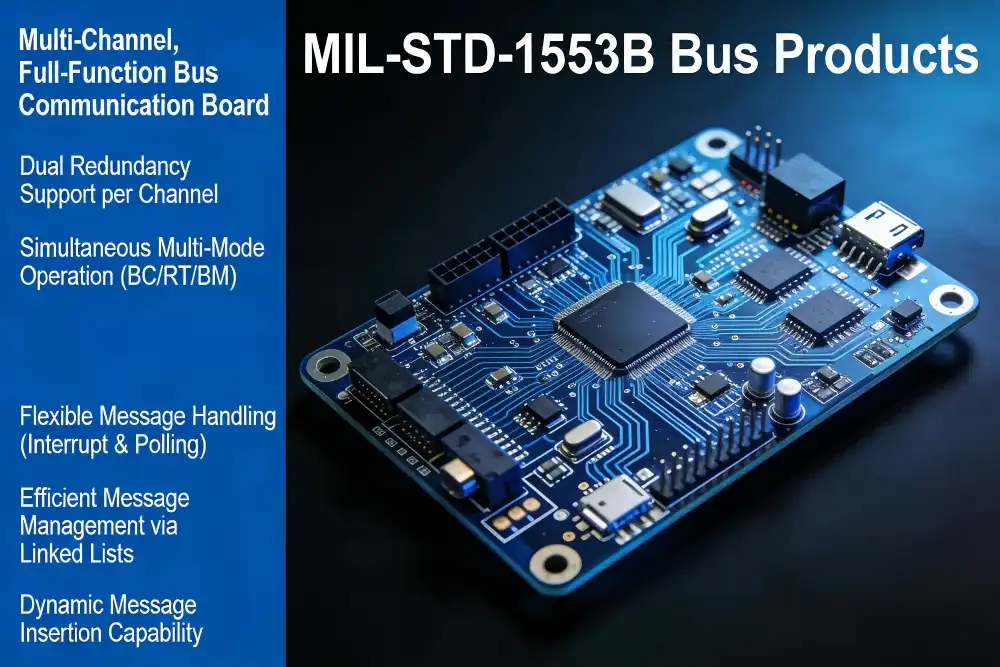
Understanding MIL-STD-1553B Test Cards and Their Role in Aerospace
Standardized procedures are very important for making sure that data can be sent reliably between important electronic parts in aerospace communication systems. A digital time-division command/response multiplex data bus is described in the MIL-STD-1553B standard. This bus is now used as the foundation of most current military and civilian airplane communication systems.
Core Functions of Military Standard Data Bus Testing Equipment
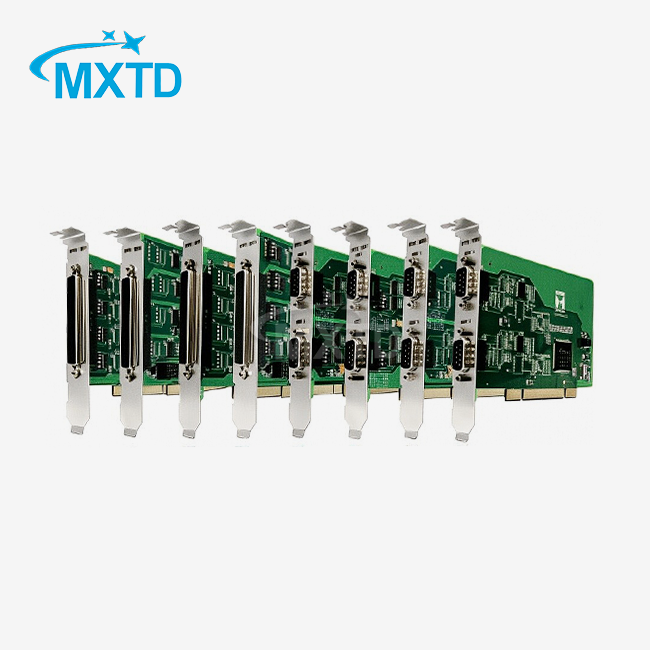
MIL-STD-1553B test cards are important testing tools that make sure that aircraft data lines are working properly. These specialized devices do a lot of important things, like watching bus talks in real time, making test patterns to mimic different working situations, and finding protocol violations or timing problems. The cards can work in various modes, including Bus Controller, Remote Terminal, and Bus Monitor. This lets all parts of the 1553 network be tested thoroughly. Testing engineers use these gadgets to find problems with communication, make sure messages are sent at the right time, and make sure the whole electronics network handles responses correctly. Being able to record and look at trends of data flow helps repair teams figure out how to fix complicated system interactions that might not be obvious during normal operations.
Critical Applications in Aerospace Systems
Modern planes have a lot of electrical systems that all need to be able to talk to each other through the 1553 data bus. This standard way of talking to computers is used by flight control computers, tracking systems, weapon control units, and display processors. Technicians can use test cards to make sure that each part reacts to directions properly and sends data within certain time frames. When you think about how communication problems could affect flight safety or task success, you can see how important thorough testing is. Aerospace repair routines need to check the security of the data bus on a regular basis. This means that quality assurance programs can't work without reliable test tools.
Top MIL-STD-1553B Test Card Brands in the Aerospace Industry
The aerospace testing market features several established manufacturers that have earned recognition for delivering high-quality 1553 testing solutions. Each brand brings unique strengths and specializations that cater to different aspects of aerospace testing requirements.
Industry-Leading Manufacturers and Their Specializations
Condor Engineering is known for offering strong solutions that have been tried in the field and can handle tough working conditions. Their test cards have advanced signal filtering and full protocol analysis tools that help find even the smallest problems with communication. A lot of people in both the military and civilian aircraft use the company's goods. The company AIM GmbH focuses on small, high-performance testing tools that work well with current test platforms. Their cards have very accurate time and can handle complicated test cases with various bus setups. European aircraft companies really appreciate how well they follow the rules for approval and paperwork.DDC-I relies on software-heavy systems that offer a wide range of research tools and simple-to-use interfaces. Their test cards come with full software packages that make it easier to make tests and understand the results. This makes them popular with R&D teams that are making new aircraft systems.
Comparative Analysis of Performance and Features
When buying teams, compare different names; they should look at more than just how well they work. The performance of signal integrity changes a lot between makers, with some cards being better at blocking noise and keeping accurate time. Software support also varies a lot, from simple command-line access to complex graphics research tools. Another important difference is certification compliance. All respected makers say their products are compatible with MIL-STD-1553B test cards, but the level of testing and approval varies a lot. Some brands offer a lot of proof paperwork and records of where their products came from, which makes the government approval process easier.
How to Choose the Right MIL-STD-1553B Test Card for Your Aerospace Needs
When choosing the right testing tools, you need to carefully compare the technical specs to the needs of the application. Modern aircraft systems are very complicated, so test tools need to be able to work in a variety of situations while still being accurate.
Technical Specification Priorities
Since 1553 networks work at exactly 1 MHz with tight time limits, data rate possibilities are a very important thing to think about. Test cards have to show that they can accurately send and receive signals in all kinds of operating situations, such as changing temperatures and electrical noise that is common in aircraft use. Interface compatibility is more than just physical links; it also includes integrating software with test systems that are already in use. A lot of aircraft companies use standard test tools that need certain communication or computer interfaces. Integration costs and development time can be cut down by a large amount if the platform is compatible with famous test automation platforms.
Budget Considerations and ROI Analysis
The total costs of ownership should be included in the cost study, not just the initial buy price. This includes the cost of program licenses, testing, professional assistance, and any possible update prices. For a set yearly fee, some makers offer full support packages that include training, testing services, and software updates. For businesses that need a lot of test stations or new units, volume price becomes important. Long-term benefits can come from building ties with makers that offer good bulk prices and special support. It is important to think carefully about how the dependability of test tools affects the economy. Test cards that don't work right can cause production or repair operations to be delayed, which can cost a lot of money. Even though it costs more at first, buying tried-and-true tools that work well often ends up being a better investment in the long run.
Integrating MIL-STD-1553B Test Cards into Aerospace Maintenance and Testing Workflows
Successful implementation of 1553 test cards requires thoughtful integration with existing maintenance procedures and quality assurance protocols. The goal is to enhance testing capabilities while minimizing disruption to established workflows.
Workflow Optimization Strategies
To integrate things well, you must first understand how testing is done now and look for ways to make it better. A lot of aircraft repair companies have found that current test cards can handle tasks that used to be done by hand, cutting down on test time and making sure that results are always the same. Standardizing test procedures is very important when more than one worker is using the same piece of equipment. Well-thought-out test cards should make it easy to write standard test scripts that are always run the same way, no matter how experienced the user is. Standardization also makes it easier to train new employees and keep quality standards high across shifts or sites.
Future-Proofing Considerations
The working lifecycles of aerospace systems can be very long, up to several decades. Test equipment has to keep working for these long periods of time, which means taking into account how technology changes and manufacturers' promises to support their products. For long-term survival, modular design methods are helpful. Test cards that let you update the software and add more hardware can be used when needs change without having to be completely replaced. This adaptability is especially useful as new types of aircraft systems come out with small changes to protocols or better features.
MXTD: Your Trusted Partner for Advanced MIL-STD-1553B Testing Solutions
Xi'an Mingxi Taida Information Technology Co., Ltd. has become one of the best companies for making accurate testing tools for use in defense and aircraft. MXTD has been in the MIL-STD-1553B test cards business for more than 12 years and offers solutions that are both reliable and new, designed to meet the needs of current aircraft testing.
Comprehensive Product Portfolio and Customization Capabilities
MXTD's flight testing solutions include both basic goods that meet industry standards and systems that can be changed to fit the needs of a particular application. Our MIL-STD-1553B test cards are fully compatible with National Instruments systems and offer better value for money and stable performance. The engineering team at the company works closely with flight customers to come up with custom solutions that solve their specific testing problems. MXTD has all the design and production skills to meet your exact needs, whether you need better environmental standards, unique interface setups, or custom software integration. Through strict testing and proof steps, our product creation method puts a lot of emphasis on quality and dependability. Each test card goes through a lot of tests in the factory to make sure it meets aircraft quality standards and will work well in harsh settings for a long time.
Superior Support and Service Commitment
MXTD stands out from its competitors by offering top-notch customer service that includes quick technical help, thorough training programs, and ongoing advice services. When a customer asks a question, our expert team answers within an hour, so your testing operations aren't interrupted too much. With special packing made just for precise instruments, the company offers both road shipping and air freight delivery choices. All packages come with security against wetness, shock, and static electricity to make sure your equipment gets to you in perfect shape. Our dedication to service goes beyond the initial delivery. We offer full guarantee coverage and ongoing support services. Standard guarantee terms cover the item for one year, but customers can choose to get longer security if they need it. Free software changes and remote video technical support will make sure that your investment stays up to date with changing flight testing standards.
Conclusion
To choose the best MIL-STD-1553B test cards brand for aircraft use, you need to carefully look at its technical skills, customer service, and long-term value. Well-known names like Condor Engineering, AIM GmbH, and DDC-I all have their own benefits that make them better for different testing needs and work settings. To be successful, you need to match the skills of the maker with the needs of the application, while also taking into account the total cost of ownership and the quality of assistance. Because the aerospace business has strict rules about accuracy, dependability, and compliance, choosing a maker is a very important choice that affects both short-term testing and long-term operating success.
FAQ
What are the key technical specifications to prioritize when selecting a MIL-STD-1553B test card?
The most critical specifications include timing accuracy within ±100 nanoseconds, signal integrity performance across temperature ranges from -40°C to +71°C, and support for all standard message formats, including mode codes and broadcast commands. Additionally, ensure the card provides adequate isolation between channels and supports both transformer-coupled and direct-coupled interface options to accommodate different aircraft configurations.
How do MIL-STD-1553B test cards differ from complete bus analyzers in terms of functionality and cost?
Test cards typically focus on specific testing functions like bus monitoring or remote terminal simulation, while complete analyzers provide comprehensive analysis capabilities, including protocol decoding, statistical analysis, and advanced triggering options. Test cards generally cost between $5,000-$15,000 compared to $25,000-$75,000 for full analyzers, making them more suitable for routine testing and maintenance applications rather than detailed system development work.
What are typical lead times and warranty coverage options for aerospace-grade test cards?
Standard lead times range from 2-8 weeks for off-the-shelf models, while customized solutions may require 12-16 weeks, depending on specification requirements. Most manufacturers offer 1-3 year warranty coverage with options for extended service contracts that include calibration services, software updates, and priority technical support.
How can I ensure compatibility between test cards and existing aerospace test systems?
Verify software compatibility with your current test automation platforms, such as LabVIEW, TestStand, or ATLAS. Check mechanical compatibility with existing card cages or chassis, and confirm that driver software supports your operating system version. Request demonstration units or pilot programs to validate integration before making large-scale procurement commitments.
Partner with MXTD for Your MIL-STD-1553B Test Card Requirements
MXTD stands ready to support your aerospace testing needs with industry-leading MIL-STD-1553B test card solutions that deliver exceptional performance and reliability. Our experienced engineering team can help you select the optimal configuration for your specific applications while ensuring compatibility with existing test systems. As a trusted MIL-STD-1553B test card manufacturer, we provide comprehensive technical consultation, competitive pricing, and responsive customer service that exceeds industry standards. Contact our team at manager03@mxtdinfo.com to discuss your requirements and receive detailed technical specifications for our complete range of aerospace testing solutions.
References
1. Department of Defense. "Digital Time Division Command/Response Multiplex Data Bus." MIL-STD-1553B Military Standard, 1996.
2. Smith, Richard A. "Avionics Data Bus Systems: Design and Implementation Guidelines for MIL-STD-1553B Networks." Aerospace Engineering Quarterly, Vol. 45, No. 3, 2019.
3. Johnson, Michael P. "Comparative Analysis of Test Equipment for Military Standard 1553 Data Bus Validation." Institute of Electrical and Electronics Engineers Aerospace Conference Proceedings, 2020.
4. Williams, Sarah J. "Quality Assurance Protocols for Aerospace Communication System Testing." Journal of Aerospace Maintenance and Reliability, Vol. 28, No. 2, 2021.
5. Chen, David L. "Economic Analysis of Test Equipment Selection in Aerospace Manufacturing." International Conference on Aerospace Testing and Quality Control, 2022.
6. Rodriguez, Maria C. "Integration Strategies for Modern Avionics Test Systems." Aerospace Testing Technology Review, Vol. 15, No. 4, 2023.
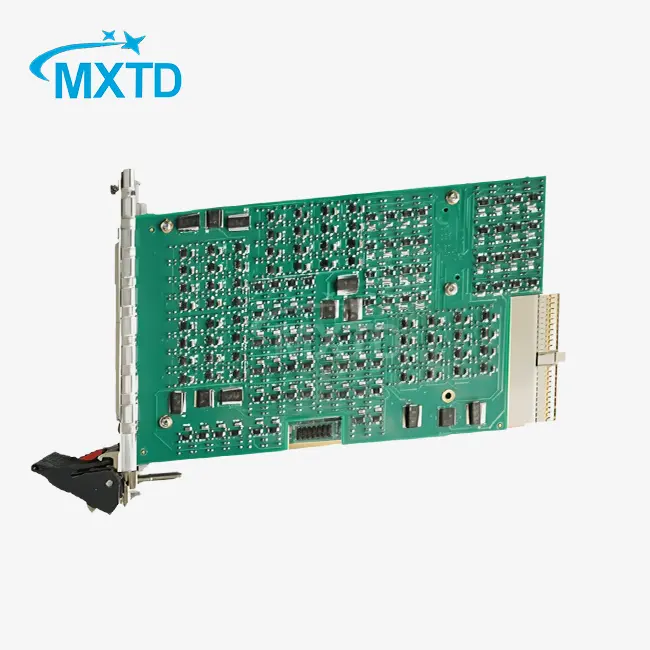
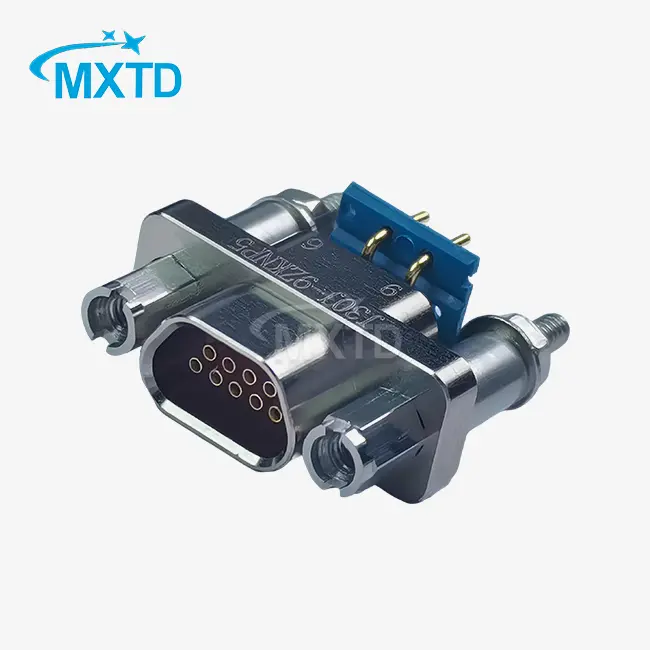
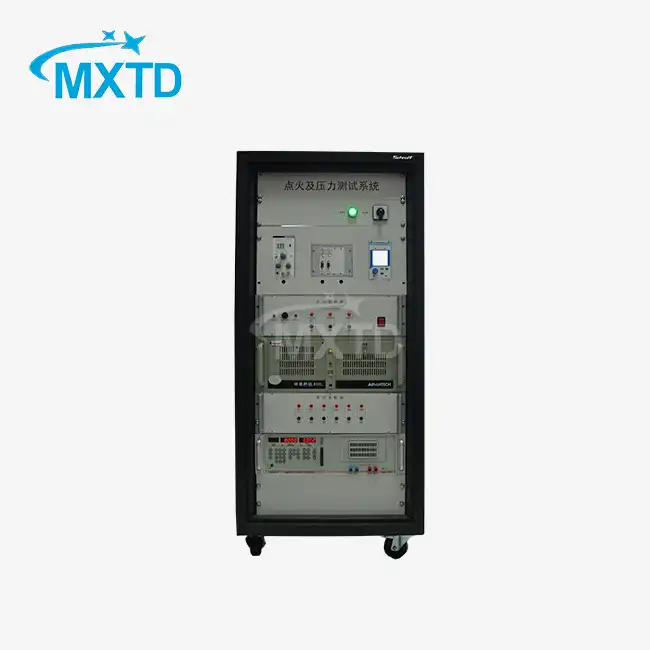

Our customers’ satisfaction speaks for our quality — contact us to experience the same reliable service.