- English
- French
- German
- Portuguese
- Spanish
- Russian
- Japanese
- Korean
- Arabic
- Greek
- German
- Turkish
- Italian
- Danish
- Romanian
- Indonesian
- Czech
- Afrikaans
- Swedish
- Polish
- Basque
- Catalan
- Esperanto
- Hindi
- Lao
- Albanian
- Amharic
- Armenian
- Azerbaijani
- Belarusian
- Bengali
- Bosnian
- Bulgarian
- Cebuano
- Chichewa
- Corsican
- Croatian
- Dutch
- Estonian
- Filipino
- Finnish
- Frisian
- Galician
- Georgian
- Gujarati
- Haitian
- Hausa
- Hawaiian
- Hebrew
- Hmong
- Hungarian
- Icelandic
- Igbo
- Javanese
- Kannada
- Kazakh
- Khmer
- Kurdish
- Kyrgyz
- Latin
- Latvian
- Lithuanian
- Luxembou..
- Macedonian
- Malagasy
- Malay
- Malayalam
- Maltese
- Maori
- Marathi
- Mongolian
- Burmese
- Nepali
- Norwegian
- Pashto
- Persian
- Punjabi
- Serbian
- Sesotho
- Sinhala
- Slovak
- Slovenian
- Somali
- Samoan
- Scots Gaelic
- Shona
- Sindhi
- Sundanese
- Swahili
- Tajik
- Tamil
- Telugu
- Thai
- Ukrainian
- Urdu
- Uzbek
- Vietnamese
- Welsh
- Xhosa
- Yiddish
- Yoruba
- Zulu
Precautions for using PXIe data acquisition system in low-temperature environments
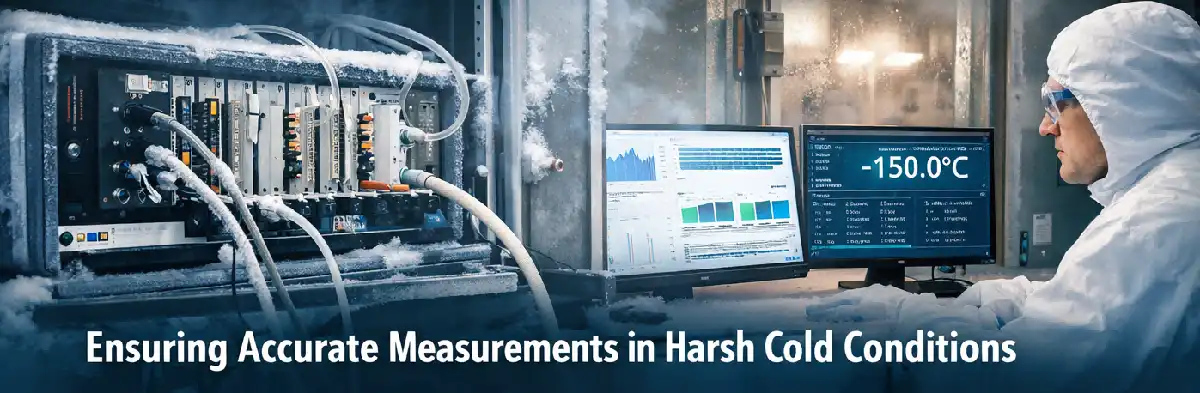
When using a PXIe data acquisition system in low-temperature areas, you need to think carefully about heat stress, the stability of the parts, and how to protect the surroundings. When these flexible sensor platforms are exposed to very cold temperatures, they face special problems, such as signal loss, the formation of condensation, and mechanical stress from the temperature drop. To make sure measurements are accurate and the system lasts a long time in tough conditions, it's important to choose ruggedized parts, use temperature management solutions, keep controlled environments in good shape, and set up thorough testing procedures.
Understanding PXIe Data Acquisition Systems and Their Sensitivity to Low Temperatures
Architecture and Components of PXIe Systems
PXIe systems are the next step in flexible sensor technology. They combine the accuracy of lab-grade equipment with the small size needed for field operation. These systems combine a computer base with several places for specialized measurement units. This lets them collect data simultaneously across multiple channels. The architecture allows for high-bandwidth communication through PCI Express technology while keeping the timing accuracy needed for scientific and industrial applications. Modern PXIe configurations usually have embedded controllers, digital I/O cards, analog input modules, and signal conditioning components all in one chassis. Because it is flexible, engineers can change how the measurements are set up to fit the needs of the application, whether they are measuring fleeting signals in car research or keeping an eye on vibrations in flight tests.
Temperature-Related Vulnerabilities
Low temperatures pose a number of serious problems that can affect the performance of systems and the security of data. When temperatures drop, electronic parts' electrical properties change. This can cause measurements to become less accurate and possible signals to become distorted. When systems move from one temperature zone to another, condensation is another major threat. This happens because semiconductor devices are more likely to be damaged by heat stress, and connections and wires may experience mechanical contraction that stops signals from working properly. Having too much moisture on circuit boards and connections can lead to short circuits, rust, and problems with stability over time. The risk is especially high in places with a lot of humidity or when the temperature of the equipment changes quickly when it is being turned on or off.
Impact on Measurement Accuracy
Changing temperatures have a direct effect on the accuracy of data collection in several ways. Temperature effects in analog-to-digital converters can cause regular mistakes if they are not properly adjusted. Reference voltage sources can drift too far, and timing circuits can experience frequency shifts that change sampling rates and synchronization. Signal conditioning amplifiers and filters can also behave differently depending on the temperature, which can change how measurements are made. Over time, these effects get worse, which could cause measurement mistakes that are too big if the environment isn't properly controlled and calibrated.
Key Precautions When Operating PXIe Systems in Low-Temperature Environments
Environmental Control Strategies
To control the environment effectively, you must first know the exact temperature ranges that your program will be exposed to. Most normal PXIe data acquisition systems work consistently between 0°C and 55°C, but ruggedized versions of these modules can work in much warmer or colder temperatures. The most reliable way to keep your measurement system working at its best is to create a controlled atmosphere around it. Insulated enclosures with active heating elements can keep the temperature inside stable even when the outside conditions are very harsh. Temperature tracking and automatic control systems should be built into these boxes to keep components from burning and within their designated working ranges. When air moves freely inside the cage, hot spots don't form, and the temperature stays the same across all sections.
Hardware Selection and Configuration
When picking out the right metal parts, you need to carefully look at the temperature and weather grades. For difficult settings, ruggedized PXIe units usually have better cooling design, better component selection, and protective coatings. These specialized units cost more at first, but they are more reliable and require less maintenance in tough conditions. You might want to add redundancy to your critical measurement channels so that your system can keep running even if some modules have problems with temperature. This method works especially well for setups that are far away and can't be fixed right away. Also, choosing units with built-in self-diagnostic features lets you find temperature-related degradation early, before it affects the accuracy of your measurements.
Calibration and Compensation Techniques
When working in low-temperature areas, where measurement shift is more likely to happen, regular correction is even more important. Setting up reference settings for baseline data makes it possible to create temperature adjustment programs that can fix mistakes that happen over and over again. These changes can be made in the software to keep measurements accurate across the whole working temperature range. To account for thermal effects during long operation, you should include automated calibration methods in your measurement processes. To do this, known reference signals could be measured regularly, or built-in calibration sources could be used to keep track of how well the system is working over time. Keeping track of the testing data lets you do trend analysis that can tell you when you might need to do something by hand.
Case Studies: PXIe Data Acquisition Systems Successfully Deployed in Harsh, Cold Environments
Arctic Research Station Implementation
Even though it got as cold as -40°C in the winter, a study center in northern Alaska was able to set up PXIe units for ongoing weather tracking. Custom-made warming shelters with triple-wall insulation and automatic temperature control systems were used for the execution. Each container kept its internal temperature between 15°C and 25°C while holding full PXIe measurement systems. To keep the signal between remote sensors and the central data collection system from dropping, the project needed special cable assemblies made of low-temperature-rated materials. Engineers set up fiber optic communication links to send signals over long distances, which took away worries about how well copper cables would work in very cold weather. Even though the climate was tough, this method got measurements to within 0.1% of laboratory norms.
Aerospace Environmental Testing Success
An aerospace company used a PXIe data acquisition system to test parts in heated vacuum tanks that mimicked the conditions in space. For the job, it was necessary to accurately measure how electrical parts behaved at temperatures as low as -180°C while keeping nanosecond time accuracy. Engineers created special interface modules with temperature-adjusted reference circuits and set up real-time calibration corrections. The system had several PXIe chassis outside the test chamber, with specially designed feedthrough connections to reduce thermal coupling. The measurement equipment could work in a controlled environment while the sensors and test connections were exposed to very high temperatures. It was possible to get measurement errors of less than 0.05% across the whole temperature range.
Industrial Process Monitoring Achievement
In northern Canada, a chemical processing plant used PXIe-based tracking tools to connect to instruments in outdoor storage tanks. The installation had to work 24 hours a day, seven days a week, in temperatures ranging from -35°C to +40°C, with high humidity and frequent changes in temperature. Engineers chose industrial-grade PXIe units that could withstand higher temperatures and put in place a wide range of environmental protection measures. The answer included warm control boxes with systems that control moisture and automatic cooling cycles to keep ice from forming. Signal filtering units that could adjust for temperature kept measurement accuracy within the acceptable range even when temperatures were very high or very low. Over the course of three years, the system was up 99.8% of the time thanks to remote tracking that let workers keep an eye on its performance and plan repairs ahead of time.
Procurement Considerations for PXIe Systems Used in Low-Temperature Applications
Vendor Selection and Product Evaluation
To choose the best provider for low-temperature PXIe uses, you need to carefully look at both the products they offer and the customer service they offer. Well-known brands provide a lot of information about how their products work at different temperatures, such as exact ranges of operation, loss of accuracy, and suggested ways to fix problems. This level of technical knowledge is very important when building systems that need to be able to measure accurately in difficult conditions. In addition to the product specs, you should also think about the vendor's experience with similar apps and their ability to offer ongoing technical support. Companies with a history of deploying systems in difficult environments can give useful information about system design, installation, and upkeep that might not be clear from just reading the product material.
Total Cost of Ownership Analysis
For low-temperature uses, you usually need special parts and extra safety measures, which raise the cost of the system at first. A full total cost of ownership study, on the other hand, should look at things like long-term dependability, upkeep needs, and possible downtime costs. When comparing different approaches, you should think about the costs of environmental control systems, specialized enclosures, and better calibration procedures. Higher-quality parts that have been tested to work well in cold weather may be worth the extra money because they need less maintenance and are more reliable. The cost of warming drawers and automatic control systems might be worth it because they make measurements more accurate and lower the chance that equipment will break down. Also, think about whether there is local expert help and how easy it will be to get new parts for sites that are far away.
Service and Support Requirements
Low-temperature operations usually take place in remote areas where there may not be access to quick expert help. When evaluating providers, look at how well they can provide online diagnostics, detailed documents, and quick responses to technology problems. Some manufacturers offer special support packages for applications that need to be used in harsh environments. These packages include fast replacement of parts and remote troubleshooting help. You should also think about the training needs because using and maintaining PXIe systems in harsh environments may require more than just standard instrumentation procedures. When it comes to long-term rollout and system performance, vendors who offer thorough training programs and clear operating processes can help make sure that everything goes smoothly.
Best Practices for Installation, Operation, and Maintenance in Low Temperatures
Site Preparation and Installation Guidelines
For a PXIe data acquisition system to go well in low-temperature areas, the spot must be properly prepared. The place where the work is going to happen should be safe from extreme weather while still allowing for easy entry for upkeep and wire routing. Concrete pads or raised platforms keep equipment away from ground frost and provide steady mounting surfaces that don't get affected by thermal cycles. When working in cold places, power supply issues become very important because temperature changes can affect voltage control and power quality. Installing dedicated power conditioning equipment and uninterruptible power supplies in heated enclosures makes sure that operation stays stable even when utility power goes out, which can happen in bad weather. Cable management needs extra care to avoid stress concentrations that can form when materials shrink and expand as the temperature changes. Use flexible mounting systems and service loops that can adapt to changes in temperature without putting too much mechanical stress on equipment frames or connections. To keep the insulation from failing or breaking, choose wire materials that are rated for the temperature range that will be experienced and have the right amount of flexibility.
Operational Protocols and Monitoring
Setting up detailed working routines helps avoid problems caused by temperature and guarantees accurate measurements every time. To keep sensitive parts from breaking down, startup steps should include slowly raising the temperature. For example, heating systems might need to be turned on for a certain amount of time before measurement circuits are turned on. This lets the whole system reach thermal equilibrium. Constantly checking important parameters lets you know about possible problems before they affect the quality of the measurements or damage the equipment. Key factors include the temperature, humidity, power use, and self-diagnostic data from each PXIe module inside the box. Even in sites that aren't staffed, automated alarm systems can let workers know about problems that need instant attention.
Maintenance Strategies and Troubleshooting
The extra stress that comes from working in low temperatures should be taken into account in preventive repair plans. Seals, gaskets, and moisture barriers should be checked more often to keep the surroundings from getting dirty, which could lead to long-term stability problems. Environmental control systems keep working well as long as the air filters are cleaned and the heating system is checked regularly. When looking for problems, it's important to think about how the weather might affect things that aren't noticeable when everything is working normally. Signal anomalies that show up and off may be linked to changes in temperature, so trend data needs to be analyzed to find patterns. Keep accurate reference tools on hand to check the performance of systems in the field, since places that are far away might not have access to lab-grade standards for comparison. Make backup plans for when equipment breaks down that take into account the difficulties of fixing things in cold weather. This includes keeping extra parts for important systems on hand, having backup heating systems ready, and planning how to temporarily change the way the system is set up if the main equipment breaks down during bad weather.
Company Introduction and Product & Service Information
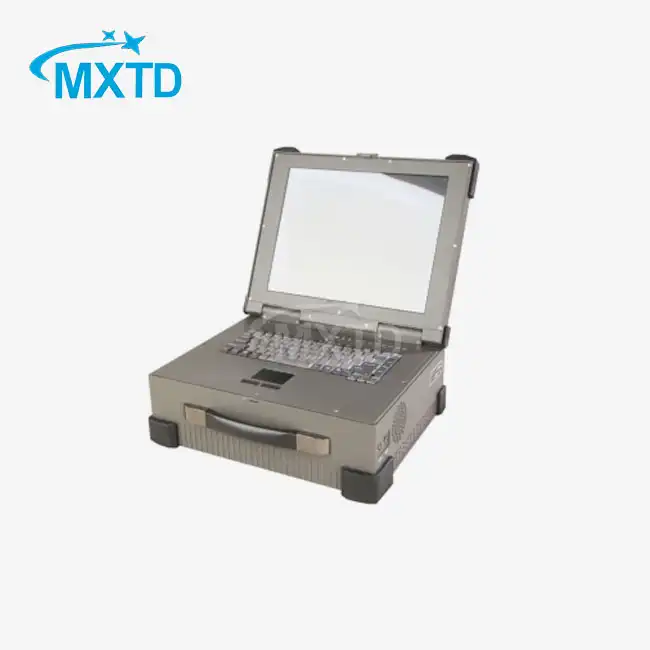
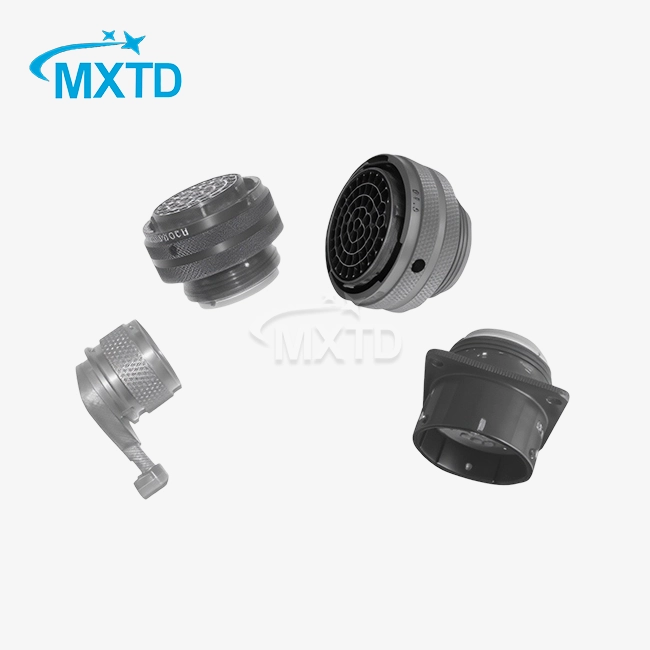
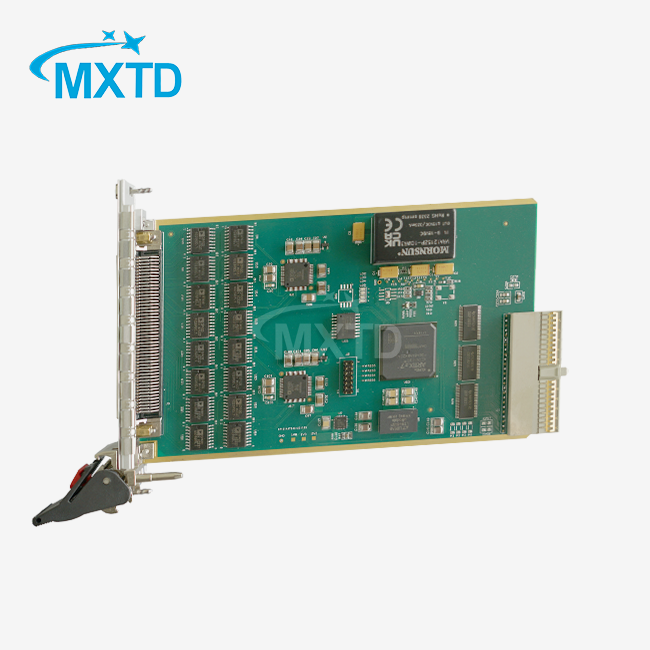
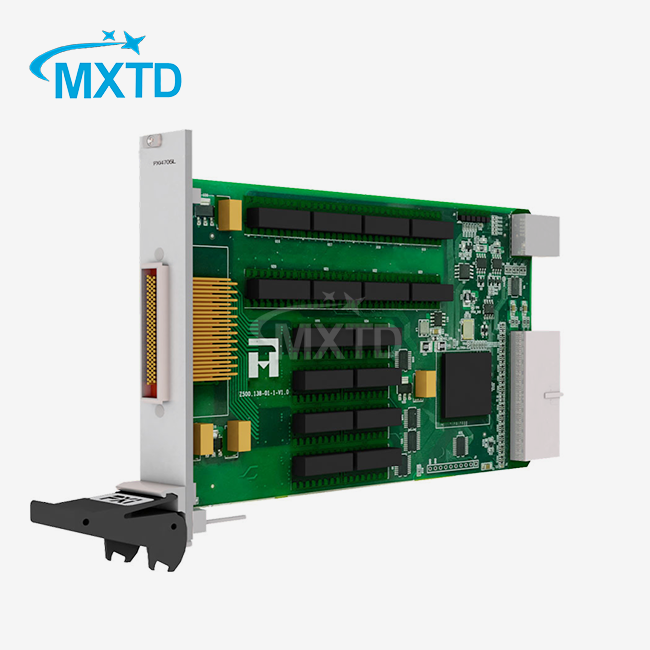
Xi'an Mingxi Taida Information Technology Co., Ltd. (MXTD) is an expert at providing strong PXIe solutions that are built to work well in tough environments, such as low-temperature situations that are hard for traditional measurement systems. Our company has over 12 years of experience designing and making instruments. During that time, we've developed a wide range of skills, including developing PXIe chassis, specialized interface modules, precision connectors, and integrated measurement solutions. Our product line includes ruggedized PXIe chassis and modules that are made to keep measurement accuracy and reliability even in environments with high temperatures. These systems have better thermal design, electronics that adjust to different temperatures, and strong mechanical construction that can handle the pressures of thermal cycles and hard working conditions. We keep a large stock of standard products and can also make solutions that are specific to your needs and performance requirements. MXTD's engineering team offers a wide range of support services, such as system design advice, installation help, and ongoing technical support to make sure that products work at their best throughout their entire lifecycle. We are committed to helping mission-critical apps that can't be interrupted, which is shown by the fact that we can answer expert questions within an hour.
Conclusion
Putting a PXIe data acquisition system to work in places with low temperatures requires careful planning, picking the right parts, and following strict operating procedures. Some of the most important things are knowing what temperature-related weaknesses there are, controlling the climate well, choosing tough parts, and making sure there are strong upkeep procedures. It is possible for organizations to get accurate measurements even in the worst cold weather by paying close attention to these factors. The case studies show that PXIe systems can deliver laboratory-level accuracy in harsh environments with the right engineering approaches and high-quality parts. Partnering with experienced providers who know how to meet the specific needs of hard environment applications and can offer both technical goods and ongoing support services is key to success.
FAQ
What are the minimum operating temperatures for standard PXIe modules?
Most standard PXIe modules operate reliably within a temperature range of 0°C to 55°C for normal operation. However, ruggedized and industrial-grade modules can extend this range significantly, with some specialized units capable of operation down to -40°C or lower. Extended temperature range modules typically incorporate enhanced component selection, improved thermal design, and specialized materials that maintain performance characteristics across wider temperature ranges.
How can moisture damage be prevented in cold PXIe installations?
Preventing moisture damage requires multiple protective strategies, including proper enclosure sealing, active humidity control, and component-level protection measures. Conformal coatings on circuit boards provide direct protection against moisture exposure, while desiccant systems or active dehumidifiers maintain low humidity levels within equipment enclosures. Proper ventilation design prevents condensation by eliminating temperature differentials that cause moisture accumulation on sensitive components.
Are there PXIe models specifically certified for extreme cold applications?
Yes, several manufacturers offer PXIe modules with extended temperature certifications and specialized environmental ratings. These products undergo rigorous testing to validate performance across extreme temperature ranges and often carry certifications for specific industry standards, such as MIL-STD specifications for military applications or IEC standards for industrial environments. When selecting components, verify that temperature certifications cover your specific operating conditions and performance requirements.
Partner with MXTD for Reliable Low-Temperature PXIe Solutions
MXTD stands ready to support your critical measurement applications with proven PXIe data acquisition system solutions engineered for extreme temperature performance. Our experienced engineering team can evaluate your specific requirements and recommend optimal configurations that maintain measurement accuracy and reliability in the most challenging environments. As a trusted PXIe data acquisition system manufacturer, we combine extensive industry experience with responsive technical support to ensure your project's success. Contact our technical specialists at manager03@mxtdinfo.com to discuss your low-temperature application requirements and discover how our ruggedized solutions can meet your performance and reliability objectives. Our commitment to rapid response and comprehensive support makes us the preferred partner for organizations demanding excellence in harsh environment instrumentation.
References
1. Institute of Electrical and Electronics Engineers. "IEEE Standard for PCI Express Base Specification Revision 4.0 - Environmental Requirements and Testing Procedures." IEEE Standards Association, 2017.
2. National Institute of Standards and Technology. "Guidelines for Temperature Compensation in Precision Measurement Systems." NIST Technical Publication 1800-23, 2019.
3. International Electrotechnical Commission. "IEC 60068-2-1: Environmental Testing - Test A: Cold Temperature Testing for Electronic Equipment." IEC Publications, 2018.
4. Society of Automotive Engineers. "SAE AS6171: Environmental Testing Requirements for Avionics Equipment in Extreme Temperature Applications." SAE International Standards, 2020.
5. American Society for Testing and Materials. "ASTM E344-19: Standard Test Method for Temperature Compensation of Electronic Measurement Instruments." ASTM International, 2019.
6. Military Standards Office. "MIL-STD-810H: Environmental Engineering Considerations and Laboratory Tests - Method 502.6 Low Temperature Testing." Department of Defense, 2019.
Our customers’ satisfaction speaks for our quality — contact us to experience the same reliable service.