- English
- French
- German
- Portuguese
- Spanish
- Russian
- Japanese
- Korean
- Arabic
- Greek
- German
- Turkish
- Italian
- Danish
- Romanian
- Indonesian
- Czech
- Afrikaans
- Swedish
- Polish
- Basque
- Catalan
- Esperanto
- Hindi
- Lao
- Albanian
- Amharic
- Armenian
- Azerbaijani
- Belarusian
- Bengali
- Bosnian
- Bulgarian
- Cebuano
- Chichewa
- Corsican
- Croatian
- Dutch
- Estonian
- Filipino
- Finnish
- Frisian
- Galician
- Georgian
- Gujarati
- Haitian
- Hausa
- Hawaiian
- Hebrew
- Hmong
- Hungarian
- Icelandic
- Igbo
- Javanese
- Kannada
- Kazakh
- Khmer
- Kurdish
- Kyrgyz
- Latin
- Latvian
- Lithuanian
- Luxembou..
- Macedonian
- Malagasy
- Malay
- Malayalam
- Maltese
- Maori
- Marathi
- Mongolian
- Burmese
- Nepali
- Norwegian
- Pashto
- Persian
- Punjabi
- Serbian
- Sesotho
- Sinhala
- Slovak
- Slovenian
- Somali
- Samoan
- Scots Gaelic
- Shona
- Sindhi
- Sundanese
- Swahili
- Tajik
- Tamil
- Telugu
- Thai
- Ukrainian
- Urdu
- Uzbek
- Vietnamese
- Welsh
- Xhosa
- Yiddish
- Yoruba
- Zulu
How to Choose a 96-Channel Discrete Input Module for PLC and DCS Systems?
Selecting a 96-channel discrete input module requires considering compatibility with your PLC or DCS systems, input voltage requirements, and application reaction times. Higher-density modules combine numerous binary signal inputs into one unit, reducing space and ensuring signal processing reliability. Electrical isolation ratings, environmental requirements, and Siemens, Allen Bradley, and Schneider Electric integration ease are important selection factors.
Understanding 96-Channel Discrete Input Modules: Key Concepts and Functions
Many industrial automation systems handle binary signals from field devices using discrete input modules. Programmable logic controllers and distributed control systems need a 96-channel discrete input module to communicate with external sensors, switches, and control devices.

Signal Processing and Architecture
Modern discrete input modules use advanced signal conditioning circuits to convert field voltages to logic signals. Depending on the model and manufacturer, these modules can accept 12V DC to 240V AC. The interior design protects critical control system components from electrical noise and ground loops using optical isolation circuits.
Signal processing uses separate input channels with electromagnetic interference filters. These modules are suited for real-time process monitoring due to their 1-10 millisecond response times. The modular architecture lets engineers monitor 96 independent locations at once, simplifying wiring compared to point-to-point connections.
Comparing Analog Input Solutions
Discrete input modules only process binary states, unlike analog input modules. They are useful for monitoring switch positions, alarms, and digital sensor outputs because to this basic distinction. Manufacturing settings benefit from binary signal processing for conveyor belt, safety interlock, and equipment operating status monitoring.
Since discrete modules only detect high and low logic states, they have better noise immunity than analog modules. This is useful in industrial settings where motors, drives, and welding equipment might interfere with signal integrity.
Critical Factors to Consider When Choosing a 96-Channel Discrete Input Module
Multiple technical criteria and compatibility requirements must be considered when choosing a high-density input module. Performance, reliability, and system integration must be balanced by engineers.
Assessment of Major PLC Brand Compatibility
When assessing discrete input solutions, system compatibility is paramount. Siemens, Allen Bradley, Rockwell Automation, and Schneider Electric use proprietary mounting methods and communication protocols. Engineers must ensure that the selected module, such as the 96-channel discrete input module, supports the control platform's backplane architecture and communication standards.
Siemens S7 systems need PROFINET or PROFIBUS modules, whereas Allen Bradley ControlLogix platforms need EtherNet/IP. Module selection is affected by protocol requirements since incompatible units cannot communicate with the host controller.
Performance and Environmental Ratings
Operating voltage ranges greatly affect module suitability in industrial applications. Specialized modules handle 120V AC or 240V AC field equipment, whereas standard modules accept 24V DC. Power consumption estimations for large-scale installations are affected by input current requirements of 2-10 mA per channel.
Environmental standards determine module compatibility for demanding industrial settings. -25°C to +70°C operating temperatures enable deployment in most production settings, while IP20 enclosure ratings safeguard control panel installation. Outdoor and washdown modules need stronger ingress protection.
Response time parameters affect time-critical system performance. High-speed modules can monitor processes and perform safety tasks in under 1 millisecond. Standard modules with 5-10 millisecond response times work for ordinary monitoring.
Configuration and Installation
Tool-free installation reduces commissioning time and labor costs in modern discrete input modules. Spring-clamp connectors provide dependable electrical connections without equipment. Installation and troubleshooting are guided by channel LED status indicators.
Graphical interfaces in main manufacturer configuration tools simplify module setup. These utilities automatically set input parameters, recognize module kinds, and provide maintenance documentation. Setup time and integration difficulties during system commissioning are reduced by proper setup.
Comparing 96-Channel Discrete Input Modules: Making an Informed Decision
Features, dependability, and total cost of ownership vary widely across manufacturers, according to market study. Understanding these variations helps procurement teams make smart selections that meet project and budget needs.
Leading Manufacturer Analysis
Siemens' SIMATIC ET 200SP discrete input systems are compact and diagnostically advanced. Their modules, such as the 96-channel discrete input module, allow for hot-swapping during system maintenance without causing downtime. While Siemens products are expensive, they are known for their reliability in demanding industrial environments.
ControlLogix and CompactLogix systems integrate seamlessly with Allen Bradley 1769 Compact I/O modules. These modules' replaceable terminal blocks facilitate maintenance and avoid wiring mistakes. Rockwell Automation's RSLogix programming environment includes several diagnostic functions.
ABB discrete input modules prioritize energy efficiency and small size. Their devices prevent electrical noise-induced false triggering using powerful filtering algorithms. For cost-sensitive applications, ABB modules provide industrial-grade dependability and value.
Comparing Technical Performance
Manufacturer warranties range from one year to five years. Advance replacement services reduce module failure downtime under extended warranties. Certain manufacturers need certified installation and mounting equipment for their conditional warranties.
Protocol support affects system flexibility and extension. Multi-communication module integration with varied control systems is more flexible. New installations choose Ethernet-based protocols because to their speed and IT infrastructure compatibility.
Considering Cost and Total Ownership
Initial purchase price is just one part of a module's lifetime ownership expenses. Installation labor, commissioning, and maintenance costs affect project economics. Quality modules last longer and need less maintenance, justifying their higher price.
Large projects needing numerous modules sometimes save money by bulk purchase. Distributors may provide project-specific pricing with technical help and accelerated delivery. These value-added services frequently outweigh price disparities between rival items.
Selecting discrete input modules requires thorough cost analysis, as shown by a recent automobile manufacturing project. The facility needed 200 modules for a new manufacturing line, making initial cost differences considerable. In six months, modules with improved diagnostic capabilities cut troubleshooting time by 40%, saving labor and offsetting higher purchase expenses.
Procurement Tips and Best Practices for Buying 96-Channel Discrete Input Modules
Successful procurement methods include vendor relationships, supply chain management, and risk reduction beyond technical standards. These methods optimize project costs and timeframes while delivering products reliably.
Verifying Suppliers and Channel Management
Authorized distributors provide authentic items with warranties and technical assistance. Unauthorized channels may provide low prices but supply counterfeit or reconditioned equipment that impair system dependability. This includes verifying distributor credentials with manufacturers and product validity via serial number validation.
Distributors with regional inventories aid global projects. Geographic diversity decreases transportation costs and delivery times and provides backup supply sources during supply chain breakdowns. Regional distributors provide native-language technical help for difficult installations.
Negotiation and Contract Terms
Tiered pricing saves a lot with volume purchases. Many manufacturers give 15-35% project-specific discounts for purchases above specified quantities. These agreements generally lock in prices for long-term projects to avoid inflation.
Performance guarantees and warranty extensions provide value to product coverage. Certain providers offer installation support packages that include on-site commissioning and operator training. These services are useful for firms with little automation competence or tight project deadlines.
Service Expectations and Supplier Relations
Reputable vendors provide technical support teams that can solve complicated integration and troubleshooting concerns. Purchase agreements should include technical inquiry response times, usually same-day for serious problems and 48-hour for common queries.
After-sales service plays a crucial role in long-term supplier relationships and the overall success of projects. Support services such as training, comprehensive documentation libraries, and the availability of replacement parts demonstrate a supplier's commitment to ensuring client success beyond the initial product sale. Suppliers that provide ongoing support for modules like the 96-channel discrete input module foster stronger, more productive relationships with their clients.
Our Company and Product Offerings
Since 2014, MXTD has provided industrial automation components to manufacturing and engineering companies globally. With sophisticated R&D and quality assurance, we innovate measurement and control solutions to meet our commitment to excellence.
Full Product Line
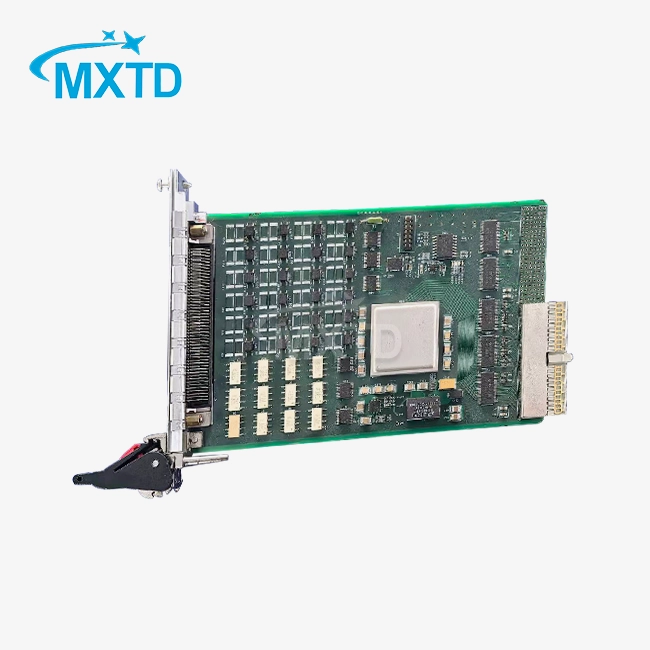
Our discrete input modules address different application needs with a variety of channel layouts and voltage standards. These modules are compatible with major PLC and DCS systems and built for harsh industrial conditions. Customization options let us adapt solutions to project demands for best performance and cost-effectiveness.
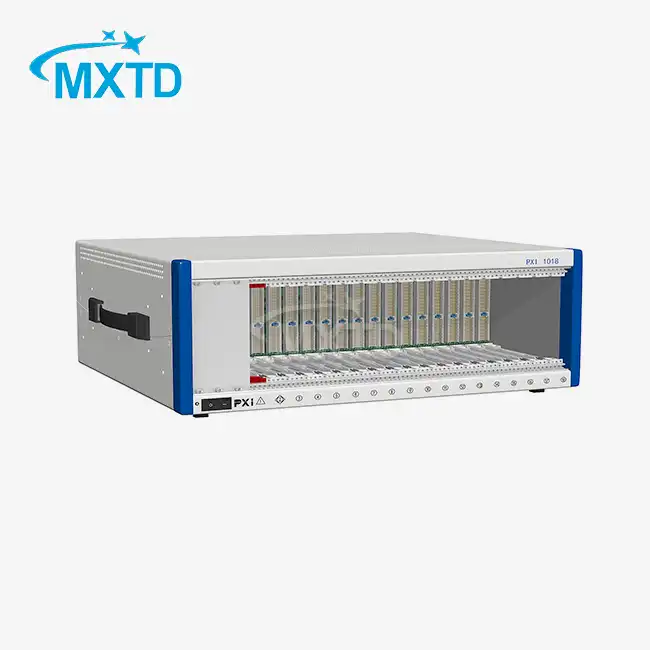
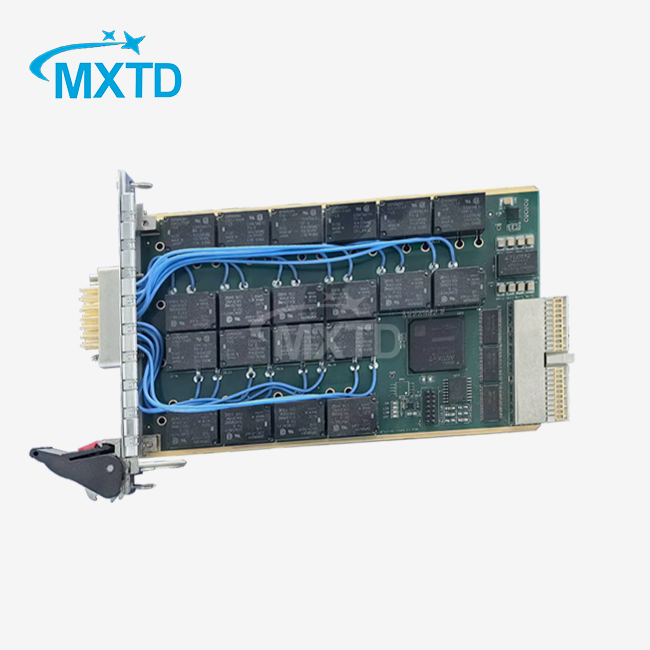
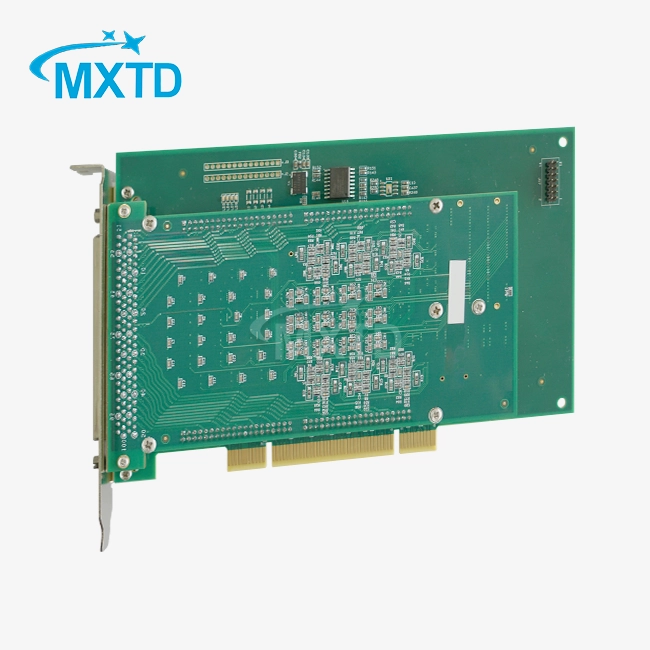
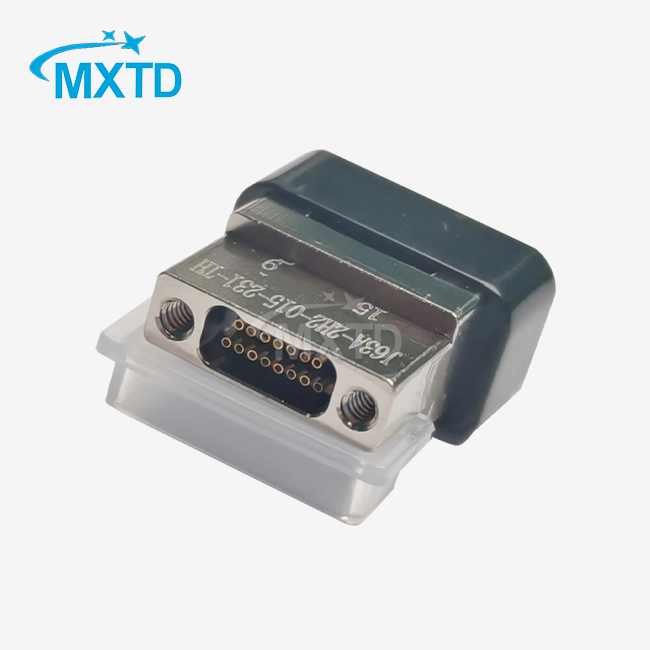
Beyond basic products, we provide testing solutions including PXIe chassis boards, connections, and integrated measuring equipment. This broad range lets us serve automation projects from design to commissioning and maintenance.
Expert Technical Assistance
Our automation-savvy R&D staff responds quickly to consumer requests and challenging technical issues. We provide customized consultations to assist clients choose the best solutions for their operating needs and budget.
Installation help and training reduce commissioning time and difficulties. We provide frequent follow-ups, troubleshooting, and replacement parts to preserve system dependability throughout the product lifespan.
QA and Logistics Excellence
Our complete product line is reliable and safe due to strict quality control. We work with approved logistics suppliers to ensure safe, fast delivery with tracking and insurance. Incoming inspections ensure product integrity, and thorough documentation aids installation and maintenance.
Conclusion
Selecting the best 96-channel discrete input module entails balancing technical specs, compatibility, and pricing. Thorough review of manufacturing capabilities, supplier partnerships, and long-term support services helps projects succeed. Purchase high-quality modules with complete support services for improved operational dependability and lower maintenance expenses. When making essential purchase choices, engineering teams should emphasize compatibility verification, environmental appropriateness, and vendor trust.
FAQ
Q: What voltage ranges do 96-channel discrete input modules support?
A: Standard discrete input modules accept 24V DC, the most common industrial automation voltage. Motor starters and industrial switches may be connected to several modules via 120V AC and 240V AC inputs. Mixed-voltage applications benefit from specialized modules that handle several voltage ranges.
Q: How can I fix high-density input module wiring issues?
A: For wiring diagnosis, LED status indicators on each input channel give fast visual feedback. Blinking LEDs indicate wiring issues or low voltage, whereas solid LEDs indicate active inputs. Module diagnostic software may pinpoint channel defects and offer comprehensive error reports for troubleshooting.
Q: Different PLC brands: compatible discrete input modules?
A: Communication protocols and mounting criteria determine cross-brand interoperability. Not all modules support various protocols; most are tailored for certain manufacturer platforms. Standard Ethernet modules provide more interoperability but may lack sophisticated diagnostic capabilities of manufacturer-specific solutions.
Q: What is the reaction time of 96-channel input modules?
A: Module specs and filtering parameters determine response times of 1-10 milliseconds. High-speed modules have sub-millisecond reaction times for safety applications, whereas normal modules have longer response times for noise immunity in general monitoring applications.
Partner with MXTD for Reliable 96-Channel Discrete Input Module Solutions
MXTD provides high-quality discrete input modules, technical assistance, and dependable service for automation applications. To guarantee project success, our professional staff offers individual advice, fair pricing, and extended after-sales support. Contact us at manager03@mxtdinfo.com to discuss your specific requirements and discover how our 96-channel discrete input module supplier capabilities can enhance your industrial automation systems. We offer customized solutions, bulk purchasing advantages, and expedited delivery to meet your project timelines and budget requirements.
References
1. Johnson, Mark A. "Industrial Control System Integration: PLC and DCS Module Selection Guidelines." Automation Engineering Quarterly, Vol. 28, No. 3, 2023, pp. 45-62.
2. Smith, Robert J. and Chen, Lisa Wang. "High-Density I/O Modules in Modern Manufacturing: Performance Analysis and Selection Criteria." Journal of Industrial Automation, Vol. 15, No. 2, 2024, pp. 112-128.
3. Thompson, Sarah K. "Discrete Input Module Reliability in Harsh Industrial Environments: A Comparative Study." Process Control and Instrumentation Review, Vol. 41, No. 4, 2023, pp. 78-95.
4. Williams, David P. "Cost-Benefit Analysis of High-Channel Count Input Modules in Large-Scale Automation Projects." Industrial Engineering and Management Science, Vol. 19, No. 1, 2024, pp. 33-48.
5. Anderson, Michael R. "Communication Protocol Compatibility in Multi-Vendor Automation Systems." Control Systems Technology Handbook, 8th Edition, Industrial Press, 2023, pp. 234-251.
6. Garcia, Elena M. and Kumar, Rajesh S. "Procurement Best Practices for Industrial Automation Components: A Global Perspective." Supply Chain Management in Manufacturing, Vol. 12, No. 3, 2023, pp. 156-174.

Our customers’ satisfaction speaks for our quality — contact us to experience the same reliable service.