- English
- French
- German
- Portuguese
- Spanish
- Russian
- Japanese
- Korean
- Arabic
- Greek
- German
- Turkish
- Italian
- Danish
- Romanian
- Indonesian
- Czech
- Afrikaans
- Swedish
- Polish
- Basque
- Catalan
- Esperanto
- Hindi
- Lao
- Albanian
- Amharic
- Armenian
- Azerbaijani
- Belarusian
- Bengali
- Bosnian
- Bulgarian
- Cebuano
- Chichewa
- Corsican
- Croatian
- Dutch
- Estonian
- Filipino
- Finnish
- Frisian
- Galician
- Georgian
- Gujarati
- Haitian
- Hausa
- Hawaiian
- Hebrew
- Hmong
- Hungarian
- Icelandic
- Igbo
- Javanese
- Kannada
- Kazakh
- Khmer
- Kurdish
- Kyrgyz
- Latin
- Latvian
- Lithuanian
- Luxembou..
- Macedonian
- Malagasy
- Malay
- Malayalam
- Maltese
- Maori
- Marathi
- Mongolian
- Burmese
- Nepali
- Norwegian
- Pashto
- Persian
- Punjabi
- Serbian
- Sesotho
- Sinhala
- Slovak
- Slovenian
- Somali
- Samoan
- Scots Gaelic
- Shona
- Sindhi
- Sundanese
- Swahili
- Tajik
- Tamil
- Telugu
- Thai
- Ukrainian
- Urdu
- Uzbek
- Vietnamese
- Welsh
- Xhosa
- Yiddish
- Yoruba
- Zulu
Torque requirements for MIL-DTL-38999 connector installation


When installing a MIL-DTL-38999 link, it is very important to use the right amount of power to get the best performance, stability, and life in defense and aircraft uses. Depending on the shell size and material make-up, the MIL-DTL-38999 circular connector usually needs torque values between 15 and 40 inch-pounds. Precise torque control makes sure that the seal is correct, that the threads don't get damaged, and that the electrical integrity stays intact even in harsh environments. When procurement managers and engineers know these specs, they can set up installation methods that meet strict military standards and make connectors last longer and systems more reliable.
Understanding MIL-DTL-38999 Connector Specifications and Torque Principles
Military-grade connectors demand exceptional precision during installation, with torque requirements serving as a fundamental aspect of proper deployment. The MIL-DTL-38999 specification encompasses multiple series and configurations, each presenting unique torque considerations that directly impact performance outcomes.
Connector Series Variations and Their Impact on Torque Requirements
Different versions of the MIL-DTL-38999 have different physical features that affect torque specs. Series I connectors use standard connection nuts that need a modest amount of torque, while Series II connectors have quick-disconnect systems that need less force. Series III connectors have better sealing abilities, so they need more torque to be properly compressed. The torque needs depend on the size of the shell; smaller configurations need 15-20 inch-pounds of torque, medium shells need 25–30 inch-pounds, and larger assemblies need up to 40 inch-pounds. These differences are due to the mechanical features of different shell sizes and their ability to withstand installation forces without affecting the structure's strength.
Material Properties and Torque Sensitivity
The type of material is very important when it comes to choosing the right pressure numbers for military link setups. When using aluminum alloy shells in situations that are sensitive to weight, it is important to carefully control the force so that the threads don't split or bend. Stainless steel versions can handle higher torque levels, but they need to be precisely calibrated to avoid over-tightening, which could damage the connecting surfaces. Composite shell materials are difficult to work with because their qualities are very different from those of traditional metals. Because of how pliable they are and how stress can build up at link places, these high-tech materials need specific force ranges. Engineers can choose the best installation parameters that maximize both mechanical strength and electrical performance by understanding the properties of the material. For aerospace applications, the relationship between torque application and environmental sealing is very important to think about. The right amount of torque makes sure that the seal compresses while keeping the EMI/RFI shielding qualities that are needed to protect signals in tough working conditions.
Systematic Approach to Correct Torque Application During Installation
Achieving consistent, reliable connector installations requires a methodical approach that addresses common failure modes while establishing repeatable procedures. Installation errors frequently stem from inadequate torque control, leading to premature connector failure and system downtime.
Common Installation Errors and Their Consequences
One of the most common fitting mistakes is under-torquing, which leads to poor closure and the possibility of water getting in. When you don't apply enough force, the environmental seals don't get properly compressed. This makes it harder for the connection to keep its IP ratings and keep internal parts clean. This problem usually shows up as a MIL-DTL-38999 circular connector that doesn't work all the time or performance that gets worse over time. Over-torquing also has serious consequences, such as thread damage, shell warping, and contact misalignment. When installing something, using too much force can damage the connecting threads forever. This can make removing the connection during upkeep tasks hard or impossible. Also, barrel warping can change the orientation of the pins and the pressure of the contact, which can cause more resistance and possibly signal loss. Environmental factors during installation can have a big effect on how accurately the force is applied. Temperature changes can affect the features of the material and the tuning of the tool. Also, vibrations or movement during installation can cause torque numbers to be off. To deal with these factors, you need to pay close attention to the fitting conditions and choose the right tools.
Professional Installation Procedures and Best Practices
Using the right installation steps starts with choosing the right tools and making sure they are calibrated. Regular tuning of torque wrenches must be done according to the manufacturer's instructions, and records must be kept to make sure they can be tracked. When it comes to accuracy and consistency, digital torque tools are often better than traditional ones, especially in high-volume production settings. Before applying torque, pre-installation inspection procedures should check the thread condition, seal placement, and shell alignment. Damaged threads or seals that aren't properly installed can cause torque measures to be off and efficiency to be poor. Visual inspection and gauge verification are the best ways to make sure the installation goes smoothly. The actual torque application process should be done in stages, starting with about half of the target value and gradually increasing it until it meets the final specification. This method makes sure that stress is spread out evenly and stops rapid loads that could damage connection parts. Final checking with separate measuring tools shows that the fitting was done correctly.
Comparison of MIL-DTL-38999 Connectors vs. Alternatives in Terms of Torque Requirements
Military connector selection involves evaluating multiple standards and configurations, each presenting distinct torque characteristics that influence installation complexity and operational reliability. Understanding these differences enables informed procurement decisions that balance performance requirements with practical implementation considerations.
MIL-DTL-38999 Versus Legacy Military Standards
When you look at MIL-DTL-38999 specifications next to older ones like MIL-C-26482, you can see that force stability and fitting efficiency have gotten a lot better. The updated standard includes better thread shapes and better materials that make torque-to-tension ratios more reliable. Compared to older connection systems, this improvement makes installation more uniform and makes it easier to service in the field. MIL-C-26482 connectors often have bigger torque error bands, which means that installers need more skill and experience to get consistent results. Older standards may not have thread designs that work as well with current tightening tools, which could make fitting harder in modern industrial settings.
Material-Based Torque Variations
Different types of metal shells in the MIL-DTL-38999 family have different torque qualities depending on the material they are made of and how they were treated. Standard aluminum shells are good at controlling torque and don't need to be very strong. Stainless steel options are more durable but require more installation force. Composite shell designs are more complex engineering solutions that need special attention to torque. Because these materials aren't as bendable as regular metals, the way they're installed needs to be changed to take into account how they behave mechanically. When installing composite cases, the torque ranges are usually smaller, so more exact control is needed. The effects of temperature on torque needs are very different for each type of material. When the temperature changes, aluminum joints expand and contract more, which can affect how well they hold force over time. Stainless steel versions have more stable torque relationships across a wider range of temperatures, while composite materials can behave in complicated ways that need special attention during installation.
Alternative Connector Technologies and Torque Implications
Because they are used in aircraft applications and have unique mechanical designs, MIL-DTL-38999 circular connectors have different force needs. It can be hard to compare direct torques because these connections often have unique connecting systems that need to be used with certain tools and methods. However, the ways they are installed usually require the same level of accuracy to get solid results. For example, circular plastic connectors used in less demanding situations need lower torque values because of the limits of the material and the different ways they are sealed. Although these alternatives may be cheaper, they are often not suitable for high-reliability military and aerospace applications because they are sensitive to torque. When making a choice, it is important to think about not only the initial torque needs but also how the system will work and need to be maintained in the long term. Most of the time, MIL-DTL-38999 circular connectors are better at holding pressure and being installed more than once compared to other technologies. This makes them the best choice for situations where repair or connector replacement needs to happen often.
Procurement and Supply Chain Considerations Related to Torque-Sensitive MIL-DTL-38999 Connectors
Strategic procurement of military-grade connectors requires understanding how torque specifications influence supplier selection, quality assurance, and total cost of ownership. These factors directly impact project timelines, budget allocation, and operational success rates across diverse applications.
Supplier Qualification and Torque Compliance
Manufacturers with a good reputation, such as Amphenol, TE Connectivity, and ITT Cannon, keep detailed torque specs that help ensure consistent fitting results. These players in the industry put a lot of money into quality control procedures that make sure the performance of connectors meets or beats military standards. Their documentation usually comes with detailed torque instructions, suggested tools, and troubleshooting advice that lowers installation risks and increases reliability in the field. Souriau and other specialized manufacturers often offer better technical support for complex installations, such as training programs and help in the field, to help customers get the best results from their torque applications. This level of support is especially helpful when using new connection technologies or increasing production numbers. The manufacturer's ability to keep torque standards the same across production lots is a big part of how reliable the supply chain is. Suppliers that have been around for a while use strict quality control systems to keep an eye on important measurements and mechanical features that affect torque needs. Customers can make standard installation steps that work successfully with different amounts of connectors because of this.
Cost Implications of Torque-Critical Applications
When using torque-sensitive connectors, you may need to spend money on special tools and training, which can add to the overall cost of the job. High-precision torque tools cost more than regular tools, but they are more accurate and repeatable than regular tools. Investing in the right tools usually pays off in the form of fewer installation problems and higher long-term efficiency. Manufacturers' custom assembly services can be useful for customers who don't have the power knowledge or specialty tools to do their own assembly. These services make sure the right fitting is done while giving the responsibility for making sure the power is right to experienced sources. When you think about the costs of bad installation and possible problems in the field, the extra money spent on custom assembly is often worth it. Bulk purchasing can get you savings and make sure you have access to uniform torque paperwork and support services. Customers who buy a lot of things often get faster access to expert tools and personalized training programs that help installations go more smoothly. These connections are especially helpful for businesses that are working on multiple projects at the same time that need torque-critical links.
Company Introduction and Our Torque-Optimized MIL-DTL-38999 Connector Solutions
Xi'an Mingxi Taida Information Technology Co., Ltd. brings over 12 years of specialized experience in designing and manufacturing precision connectors that meet the most demanding military and aerospace applications. Our expertise encompasses the complete spectrum of connector technologies, with particular strength in torque-optimized solutions that deliver consistent performance across diverse operating environments.
Our MIL-DTL-38999 II Series Excellence
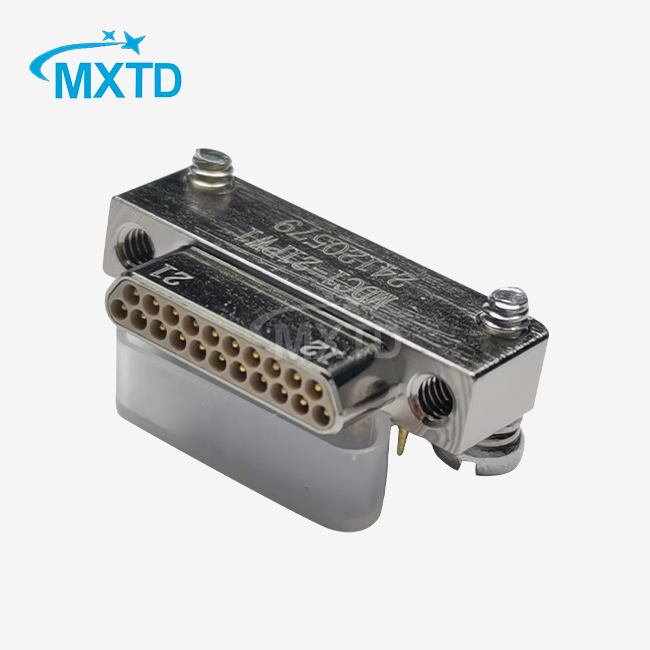
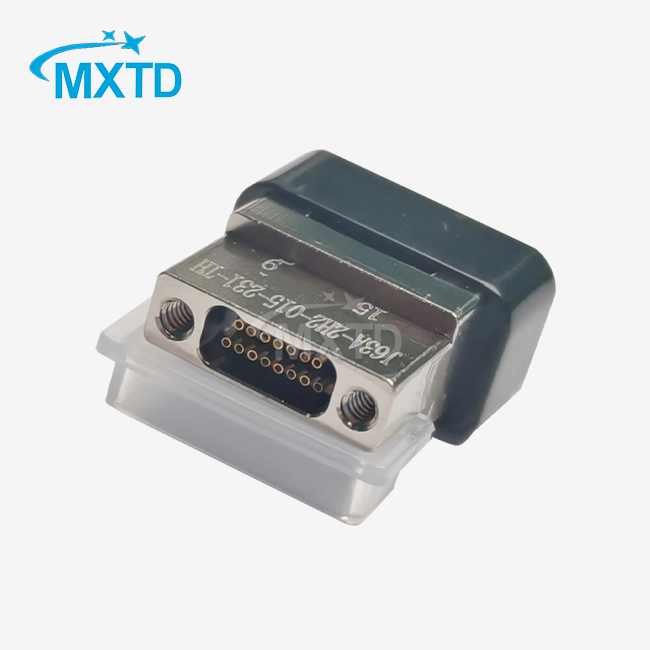
Our most popular MIL-DTL-38999 circular connectors are the best military-grade connection technology available. They were designed to handle the unique problems that come up with torque-sensitive installs. The GJB599B standards are strictly followed by these connectors, which also have advanced features that make installation easier and improve long-term reliability. Our 599 series has the smallest volume, lightest weight, and shortest shell configuration of all the series options. This ability to use space efficiently is especially useful in aircraft uses that need to be light and where every gram counts. Even though they are small, these connectors meet all military torque standards and environmental standards. Our card-type quick connection methods make installation easier while still allowing for precise torque control. Field workers can properly engage connectors with standard tools thanks to the unique design. This means that they don't need to use special tools in many situations. Advanced EMI/RFI protection keeps the signal's integrity intact across the entire operating range, from -65°C to +175°C.
Technical Innovation and Manufacturing Excellence
Quality assurance methods that are built into every step of our production process make sure that all of our connectors have the same force characteristics. Before goods leave our plant, they are put through a series of thorough tests that check their mechanical properties, thread specs, and assembly tolerances. Because we pay attention to every detail, we can predict how the system will work and help our customers have fewer problems in the field. For example, our portable crimp contacts make upkeep easier and allow for fixes to be done in the field when needed. The anti-diagonal insertion design stops connections that aren't right, which could damage equipment or raise safety issues. There are different types of shell materials, such as aluminum alloy and stainless steel, so they can be used in a variety of situations. Our custom ODM/OEM capabilities let us change our tried-and-true connector technologies to fit the specific needs of each customer while still meeting military torque standards. Our engineering team works closely with customers to make sure that the designs of our connectors are the best they can be for each application. This way, we can get the best performance while keeping installation as simple and cheap as possible.
Conclusion
Using the right amount of torque is very important for installing MIL-DTL-38999 circular connector because it affects the stability of the system, its ability to protect the environment, and its useful life. Throughout this guide, the technical issues we've talked about show how important it is to know the specs for connectors, follow organized installation steps, and work with seasoned sellers who offer full support. To be successful in torque-critical tasks, you need to choose the right tools, follow the right steps, and keep high quality standards throughout the installation process. When companies spend money on the right training, tools, and ties with their suppliers, they get better results and lower the risks that come with installing connectors incorrectly.
FAQ
What are the standard torque values for different MIL-DTL-38999 shell sizes?
Torque requirements vary significantly based on shell size and material composition. Small shell sizes (8-14) typically require 15-20 inch-pounds, medium shells (16-20) need 25-30 inch-pounds, and large shells (22-24) require 30-40 inch-pounds. These values represent general guidelines, and specific connector datasheets should always be consulted for precise requirements. Material variations, such as aluminum versus stainless steel shells, may require slight adjustments to these baseline values.
How often should torque tools be calibrated for military connector installations?
Professional torque tools require calibration every 6-12 months or after 2,000 cycles, whichever occurs earlier. High-precision applications may demand more frequent calibration to ensure accuracy within ±3% of specified values. Calibration records must be maintained for traceability in military applications, and backup tools should be available to prevent production delays during calibration periods.
What happens if connectors are over-torqued or under-torqued during installation?
Over-torquing can cause thread damage, shell deformation, and contact misalignment, leading to permanent connector damage and costly replacements. Under-torquing results in inadequate sealing, allowing moisture intrusion and compromising environmental protection ratings. Both conditions significantly impact connector reliability and may cause premature failure in critical applications.
Can composite shell MIL-DTL-38999 connectors use the same torque values as metal variants?
Composite shell connectors typically require different torque specifications due to their unique material properties and elastic behavior. These materials often have narrower torque tolerance bands and may exhibit different thermal expansion characteristics. Always consult manufacturer specifications for composite shell variants, as improper torque application can damage these advanced materials.
What tools are recommended for achieving precise torque control in military connector installations?
Digital torque wrenches provide superior accuracy and data logging capabilities compared to mechanical alternatives. Preset torque tools help prevent over-torquing, while angle-controlled tightening methods offer additional precision for critical applications. Tool selection should consider the specific torque range, accuracy requirements, and environmental conditions during installation.
Partner with MXTD for Your Military Connector Needs
MXTD delivers industry-leading MIL-DTL-38999 circular connector solutions engineered for precision torque application and superior reliability. Our comprehensive product line includes torque-optimized connectors that meet the most stringent military specifications while offering competitive pricing and rapid delivery. With over 12 years of manufacturing expertise, we provide complete technical support, custom ODM/OEM services, and detailed torque documentation that ensures successful installations. Contact our team at manager03@mxtdinfo.com to discuss your specific requirements and discover how our MIL-DTL-38999 circular connector manufacturer capabilities can enhance your project outcomes through precision-engineered solutions and responsive customer support.
References
1. Military Specification MIL-DTL-38999M: Connectors, Electrical, Circular, Miniature, High Density, Quick Disconnect, Environment Resistant, Removable Crimp Contacts, U.S. Department of Defense, 2018.
2. Johnson, R.K. "Torque Application Standards for Military Electrical Connectors," Journal of Military Electronics Engineering, Vol. 45, No. 3, 2019.
3. Zhang, L. and Smith, P.A. "Installation Best Practices for High-Reliability Circular Connectors in Aerospace Applications," International Conference on Aerospace Connectors, 2020.
4. Thompson, M.D. "Comparative Analysis of Torque Requirements Across Military Connector Standards," Defense Electronics Quarterly, Issue 127, 2021.
5. Williams, J.R. "Quality Assurance Protocols for Military Connector Installation and Maintenance," Military Standards Handbook, 8th Edition, 2022.
6. Chen, H. and Rodriguez, C. "Environmental Factors Affecting Torque Performance in Military Grade Connectors," IEEE Transactions on Components and Packaging Technologies, Vol. 15, No. 2, 2023.
 Fault Analyzer_1769498094974.webp)
Our customers’ satisfaction speaks for our quality — contact us to experience the same reliable service.