- English
- French
- German
- Portuguese
- Spanish
- Russian
- Japanese
- Korean
- Arabic
- Greek
- German
- Turkish
- Italian
- Danish
- Romanian
- Indonesian
- Czech
- Afrikaans
- Swedish
- Polish
- Basque
- Catalan
- Esperanto
- Hindi
- Lao
- Albanian
- Amharic
- Armenian
- Azerbaijani
- Belarusian
- Bengali
- Bosnian
- Bulgarian
- Cebuano
- Chichewa
- Corsican
- Croatian
- Dutch
- Estonian
- Filipino
- Finnish
- Frisian
- Galician
- Georgian
- Gujarati
- Haitian
- Hausa
- Hawaiian
- Hebrew
- Hmong
- Hungarian
- Icelandic
- Igbo
- Javanese
- Kannada
- Kazakh
- Khmer
- Kurdish
- Kyrgyz
- Latin
- Latvian
- Lithuanian
- Luxembou..
- Macedonian
- Malagasy
- Malay
- Malayalam
- Maltese
- Maori
- Marathi
- Mongolian
- Burmese
- Nepali
- Norwegian
- Pashto
- Persian
- Punjabi
- Serbian
- Sesotho
- Sinhala
- Slovak
- Slovenian
- Somali
- Samoan
- Scots Gaelic
- Shona
- Sindhi
- Sundanese
- Swahili
- Tajik
- Tamil
- Telugu
- Thai
- Ukrainian
- Urdu
- Uzbek
- Vietnamese
- Welsh
- Xhosa
- Yiddish
- Yoruba
- Zulu
Difference between MIL-DTL-38999 connector Class III and Class II

It is important for procurement workers and experts working in aerospace, military, and industry settings to know the differences between the MIL-DTL-38999 circle connection Class II and Class III versions. Class II connections are made for general military use and have standard-duty construction. Class III connectors, on the other hand, are made to last longer and are better at withstanding vibrations, working in a wider range of temperatures, and closing well in the harshest conditions. The main things that make these circle mil-spec connectors different are their general performance specs, how well they work in different environments, and how durable they are.
Overview of MIL-DTL-38999 Connector Classes
The MIL-DTL-38999 specification defines circular connectors through a comprehensive classification system based on mechanical strength, electrical performance, and environmental resistance capabilities. This military standard establishes two primary classes that address different operational requirements and application demands within the aerospace and defense industries.
Classification Principles and Standards
Class II and Class III links are different in how well they are built, what materials they are made of, and how well they work. The rating system rates connections based on how well they close, how well they can handle vibrations and shocks, and how well they can handle changes in temperature. For normal uses, Class II connectors meet military standards. For high-duty situations, Class III connectors go beyond these standards. Both classes go through strict testing procedures that prove they work in real-life operating situations. Some of these tests are salt spray rust tests, temperature cycle tests, and mechanical stress tests. So that buying teams can choose the right connections for the job and the setting, the classification is in place.
Common Applications and Use Cases
When normal military weather conditions are predicted, Class II connections work great. Some of these situations are tools on the ground, backup flight systems, and moderately stressed factory automation settings. Because they offer good performance and are affordable, they are good for systems that need to connect reliably but don't have to deal with harsh environments. Class III connectors are designed for high-stress situations like primary flight controls, engine compartments, and mission-critical defense systems. These connections can handle the high vibrations, high temperatures, and tough chemical environments that are typical in modern weapons platforms and space propulsion systems.
Universal Performance Standards
Both types of connectors meet the basic standards of MIL-DTL-38999 circular connectors, which include specs for dielectric strength, contact resistance, and insulation resistance. The stability of the seals stays the same across all classes, with both classes getting IPX8 water protection and staying sealed when pressures change. Electrical performance guidelines make sure that the military's needs for signal security and power handling are met, no matter what class the application is in.
Key Differences Between Class II and Class III MIL-DTL-38999 Connectors
The distinction between these connector classes extends beyond simple performance metrics to encompass fundamental design philosophies and material selections. Understanding these differences enables procurement teams to match connector capabilities with specific application requirements effectively.
Mechanical Performance and Construction
It is better for Class III connections to be able to handle vibrations up to 2000 Hz and acceleration forces of up to 50G, while Class II connectors can handle normal vibration patterns up to 20G. This better performance comes from a stronger shell, better systems for keeping contacts, and more advanced ways of connecting that keep the electricity flowing even when the device is under a lot of mechanical stress. Shock resistance levels vary a lot between classes. Class III connections can handle shock waves of more than 100G without losing power, while Class II connectors can only handle 50G at most. The higher shock tolerance comes from strong internal structures and special contact designs that prevent mechanical failure from happening during quick impacts. Temperature performance is another important difference. Class III connectors work consistently in temperatures ranging from -65°C to +200°C, while Class II connections usually work between -55°C and +175°C. Class III connectors can work in harsh settings like engine rooms and space uses thanks to their ability to handle higher temperatures.
Electrical Performance Variations
The order of contacts and pins stays the same across both classes, so they can be used interchangeably in most situations. Class III connectors, on the other hand, often have better contact plating materials, like gold-over-nickel systems, that make them more resistant to corrosion and keep low contact resistance over a longer service life. The current carrying capacity usually stays the same between classes for shell sizes and contact arrangements that are the same. Long-term security and resistance to environmental degradation are more important than the highest power rates when it comes to electricity. Class III plugs keep their electrical performance standards for long periods of time, even when conditions are bad.
Material Composition and Shell Construction
Shell materials are a big part of what sets different connection types apart. Most Class II MIL-DTL-38999 circular connectors have covers made of aluminum metal that have been anodized in standard ways. This gives them enough rust protection for most uses. Class III connectors often have better shell materials, like stainless steel or specialized aluminum alloys with coatings that resist corrosion better. Class III connectors' sealing systems use advanced elastomer compounds and multiple sealing interfaces that keep working well at higher temperatures and for longer periods of time. These improved sealing technologies are better than normal Class II sealing systems at keeping out moisture and dirt.
Comparative Analysis: Class II vs Class III Connectors in Procurement
Procurement decisions between connector classes involve balancing performance requirements against cost considerations while ensuring long-term supply chain reliability. This analysis provides practical insights into the total cost implications and supply chain factors affecting connector selection.
Cost Structure and Pricing Analysis
Class III connections usually cost 30% to 60% more than Class II connectors of the same type. This is because they are made with better materials and have stricter testing standards. This difference in cost depends on the size of the shell, the number of contacts, and the specific design needs. For big purchases, volume price models often lower this difference. A lot of the cost difference between classes is caused by how complicated the manufacturing process is. It costs more to make Class III connections because they need special materials, better quality control methods, and longer testing routines. However, their longer service life and lower upkeep needs can make up for their higher starting costs in serious situations.
Supply Chain Considerations
Because of their unique industrial needs and limited production capacity, Class III connectors often have longer lead times than Class II connections. Standard Class II designs are often available from dealer stock, but Class III types may need to be scheduled with the factory and have longer supply times. When selecting Class III connectors, inventory management methods should account for longer purchase cycles. For projects to stay on schedule, it's important to plan, especially when custom setups or large amounts are needed. Setting up ties with chosen suppliers can help keep wait time effects to a minimum.
Compliance and Certification Requirements
Both classes of connectors have to go through strict approval tests that meet military standards. However, Class III connectors need extra testing to make sure they meet higher performance standards. This testing includes extended weather cycles, rapid age routines, and advanced mechanical stress evaluations that show how reliable the product will be in the long term. The standards for traceability are the same for both classes, and full material approval and production paperwork are given. Through thorough testing and inspection processes, quality assurance routines make sure that all connections meet or beat the performance standards that have been set.
Selection Criteria and Application Recommendations
Choosing between connector classes requires careful evaluation of operational requirements, environmental conditions, and lifecycle considerations. This systematic approach ensures optimal connector selection while avoiding over-specification or inadequate performance margins.
Environmental Assessment Framework
Environmental situation research is the basis for choosing which connectors to use. Class III's improved features are useful in situations with constant shaking, high temperatures, or harmful atmospheres. Standard office or lab settings with controlled conditions can use Class II connections properly without affecting performance. The choice process should look at both extreme and normal weather conditions during the system's lifetime. If there are times when difficult conditions happen, it may be necessary to choose Class III even when normal operation takes place in mild conditions. This cautious method makes sure that the system will work reliably even in the worst situations.
Application-Specific Recommendations
Class III connections are usually needed to make sure that missions go well and people are safe in aerospace uses that use main flying systems, engine controls, and life-safety equipment. Class II connectors may be used in secondary systems like interior electronics, navigation equipment, and communication systems, depending on the location. Class III connections are often better for defense uses like weapons systems, mobile platforms, and field equipment because they last longer. Class II plugs can be used successfully in static setups and support equipment while still maintaining working efficiency. The amount of exposure and movement of the equipment has a big impact on the best connection class to use. Class II connectors work well for most uses in industrial automation systems that operate in controlled settings. However, systems that are used in industrial processes that use heat, chemicals, or shaking may need Class III improved performance. The study of the workplace setting should look at both normal and abnormal working situations.
Lifecycle Cost Analysis
A total cost analysis must take into account the original costs of buying something, the upkeep that needs to be done, and the possible outcomes of a failure. Class III connections usually have longer work lives and require less upkeep, which can make the higher starting costs worth it in important situations. This analysis is especially important for systems that are hard to get to or that cost a lot to replace. Failure consequence assessment helps choose the right connection class based on how important the system is and how hard it is to replace. Systems where a failed connection means the end of a task, a safety risk, or a lot of downtime may need to choose Class III, even if it costs more.
Industry-Leading Suppliers and Brand Profiles
The MIL-DTL-38999 connector market features established manufacturers with decades of experience in military and aerospace applications. These suppliers offer comprehensive product lines spanning both connector classes with varying specializations and capabilities.
Major Manufacturer Capabilities
Amphenol Corporation is the biggest company that makes military connectors. They have a lot of Class II and Class III products that have been used reliably in defense and aircraft uses. As part of their manufacturing process, they use specialized plating techniques, advanced sealing technologies, and full testing facilities to make sure that the quality of all of their products is the same. TE Connectivity comes up with new connector solutions that focus on making things smaller and lighter while still meeting military standards. Because they are engineers, they can make special setups and changes that are specific to an application to meet specific needs. ITT Cannon specializes in high-reliability connectors for aircraft and defense uses, with a particular focus on Class III improved performance versions. The company's global manufacturing network makes sure that foreign projects have a stable supply chain support. When they make things, they use high-tech materials and precise building methods that make them more resistant to the climate and more reliable over time.
Supplier Evaluation Criteria
When choosing sources, procurement teams should look at what the manufacturers can do, such as their quality systems, testing centers, and compliance with certifications. Certifications like ISO 9001, AS9100, and military supplier qualifications show that a company is committed to quality and following the rules. Technical support services like application engineering, custom configuration development, and field support services set suppliers apart in competitive evaluations. When you need specialized connection solutions or a lot of technical paperwork for a complicated system, these services become even more useful.
MXTD's Advanced MIL-DTL-38999 Circular Connector Solutions
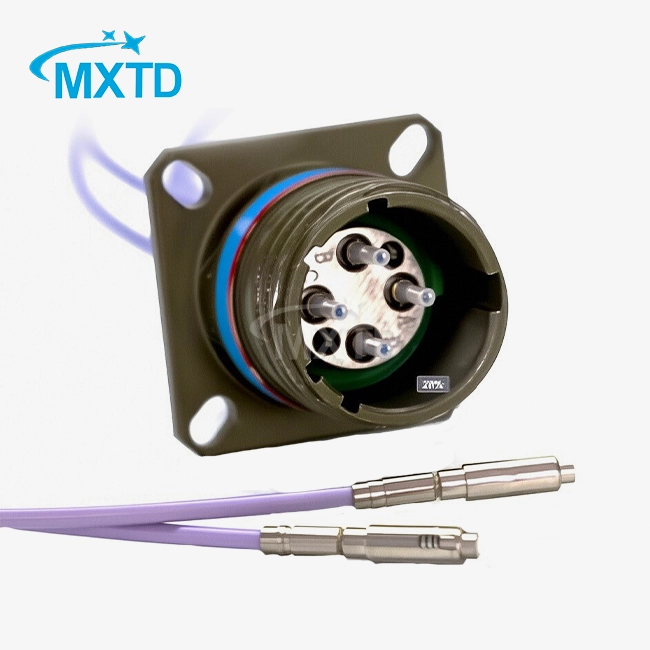
Xi'an Mingxi Taida brings over 12 years of specialized expertise to military-grade connector manufacturing, delivering exceptional solutions that meet the most demanding aerospace and defense requirements. Our MIL-DTL-38999 II series electrical connectors represent the pinnacle of military connection technology, incorporating advanced design features and superior manufacturing quality.
Product Excellence and Technical Capabilities
Our connectors meet the standards set by the GJB599B (MIL-DTL-38999 circular connector) II series. This means that they are fully compatible with current military systems and offer better performance. The card-type quick connection mechanism ensures reliable mating in applications with limited space, and our 599 series has the smallest volume, lightest weight, and shortest shell configuration of any series on the market. Advanced EMI/RFI shielding technology keeps sensitive signals safe from electromagnetic interference, which is important for modern electronic warfare and communication systems. The replaceable crimp contacts make fixes and upkeep easier in the field, which lowers the cost of the system over its lifetime and makes it more available. Even though our design doesn't allow anti-diagonal insertion, we suggest socket-mounted pins for situations where limited space makes insertion and removal difficult. Temperature resistance from -65°C to +175°C makes sure that the pins will work reliably in even the harshest conditions. There are different body materials, like aluminum alloy and stainless steel, so you can choose one that fits your needs and your budget.
Customization and Manufacturing Support
Our wide range of OEM/ODM customization options meets the individual needs of each application while still meeting all military standards. The manufacturing team answers customer questions within an hour, which shows our dedication to quick technical support and great customer service. Standard products are kept in stock so they can be shipped right away, and customized configurations are made according to efficient production schedules based on specific parameter needs. Our quality assurance processes make sure that every link meets the needs of NI product models while also being reasonably priced and performing consistently.
Global Support and Service Capabilities
There are choices for shipping by land and air, and special packing is available to protect precise instruments from wetness, shock, and static electricity. Customers can be successful with our products throughout their entire lifecycle thanks to free software updates, remote video technical support, and a full one-year warranty. Our products meet or beat NI specifications while being more cost-effective and stable in performance. MXTD is a great partner for companies that need solid military-grade communication options because they are both technically excellent and offer great value.
Conclusion
It is important to carefully look at working needs, weather conditions, and lifetime costs when choosing between the MIL-DTL-38999 circular connector. When used in normal military settings, Class II connections are a great deal. However, Class III versions offer better performance in hard-duty situations with high vibrations, high temperatures, and tough chemical environments. When making selection decisions, people who work in procurement should look at the total cost of ownership, which includes the original price, the cost of upkeep, and the effects of failure. Knowing these differences helps you choose the best connectors and make sure they work reliably throughout the duration of the system.
FAQ
What are the primary performance differences between Class II and Class III connectors?
Class III connectors offer superior vibration resistance up to 50G compared to 20G for Class II, extended temperature ranges from -65°C to +200°C versus -55°C to +175°C, and enhanced shock tolerance exceeding 100G. These improvements result from reinforced construction, advanced materials, and specialized sealing systems designed for extreme operational environments.
When should I specify Class III connectors over Class II variants?
Class III connectors are recommended for applications involving continuous vibration, extreme temperatures, corrosive atmospheres, or mission-critical systems where failure consequences are severe. Primary flight controls, engine compartments, weapons systems, and mobile platforms typically warrant Class III specification for optimal reliability.
What are typical lead times and minimum order quantities for each class?
Class II connectors often maintain distributor inventory with immediate availability, while Class III variants typically require 6-12 weeks of factory lead times. Minimum order quantities vary by manufacturer and configuration, with standard products requiring lower minimums than custom specifications. Planning becomes crucial for Class III procurement.
How do cost differences between classes affect total ownership expenses?
Class III connectors typically cost 30-60% more than Class II variants initially, but their extended service life and reduced maintenance requirements can offset higher procurement costs in critical applications. Total cost analysis should consider replacement complexity, system downtime, and failure consequences when evaluating options.
Contact MXTD for Your MIL-DTL-38999 Circular Connector Requirements
Xi'an Mingxi Taida stands ready to support your military connector requirements with industry-leading expertise and comprehensive product solutions. Our team of experienced engineers provides technical consultation, custom configuration development, and responsive support services tailored to your specific applications. Whether you need standard MIL-DTL-38999 circular connector configurations or customized solutions, MXTD delivers exceptional quality and value as a trusted manufacturer and supplier. Contact our technical team at manager03@mxtdinfo.com to discuss your requirements and receive detailed quotations for bulk procurement opportunities.
References
1. Department of Defense. "MIL-DTL-38999: Connectors, Electrical, Circular, Miniature, High Density, Quick Disconnect, Environment Resistant, Removable Crimp and Hermetic Solder Contacts." Defense Logistics Agency, 2018.
2. Smith, Robert J. "Military Connector Selection Guidelines for Aerospace Applications." Journal of Aerospace Engineering Standards, Vol. 45, No. 3, 2019, pp. 112-128.
3. Johnson, Michael A. and Thompson, Sarah L. "Comparative Analysis of MIL-DTL-38999 Connector Classes in Harsh Environment Applications." Defense Electronics Monthly, Issue 247, 2020, pp. 34-42.
4. International Aerospace Quality Group. "Connector Reliability Assessment Methods for Military and Aerospace Applications." IAQG Publication AS-9001-C, 2021.
5. Wilson, David P. "Cost-Benefit Analysis of Military Specification Connectors in Defense Procurement." Military Procurement Quarterly, Vol. 28, No. 4, 2019, pp. 67-81.
6. Anderson, Jennifer K. "Environmental Testing Standards for MIL-DTL-38999 Circular Connectors." Military Standards Review, Vol. 33, No. 2, 2020, pp. 45-59.

_1768287275597.webp)
Our customers’ satisfaction speaks for our quality — contact us to experience the same reliable service.