- English
- French
- German
- Portuguese
- Spanish
- Russian
- Japanese
- Korean
- Arabic
- Greek
- German
- Turkish
- Italian
- Danish
- Romanian
- Indonesian
- Czech
- Afrikaans
- Swedish
- Polish
- Basque
- Catalan
- Esperanto
- Hindi
- Lao
- Albanian
- Amharic
- Armenian
- Azerbaijani
- Belarusian
- Bengali
- Bosnian
- Bulgarian
- Cebuano
- Chichewa
- Corsican
- Croatian
- Dutch
- Estonian
- Filipino
- Finnish
- Frisian
- Galician
- Georgian
- Gujarati
- Haitian
- Hausa
- Hawaiian
- Hebrew
- Hmong
- Hungarian
- Icelandic
- Igbo
- Javanese
- Kannada
- Kazakh
- Khmer
- Kurdish
- Kyrgyz
- Latin
- Latvian
- Lithuanian
- Luxembou..
- Macedonian
- Malagasy
- Malay
- Malayalam
- Maltese
- Maori
- Marathi
- Mongolian
- Burmese
- Nepali
- Norwegian
- Pashto
- Persian
- Punjabi
- Serbian
- Sesotho
- Sinhala
- Slovak
- Slovenian
- Somali
- Samoan
- Scots Gaelic
- Shona
- Sindhi
- Sundanese
- Swahili
- Tajik
- Tamil
- Telugu
- Thai
- Ukrainian
- Urdu
- Uzbek
- Vietnamese
- Welsh
- Xhosa
- Yiddish
- Yoruba
- Zulu
Difference between PXIe data acquisition system and traditional acquisition cards
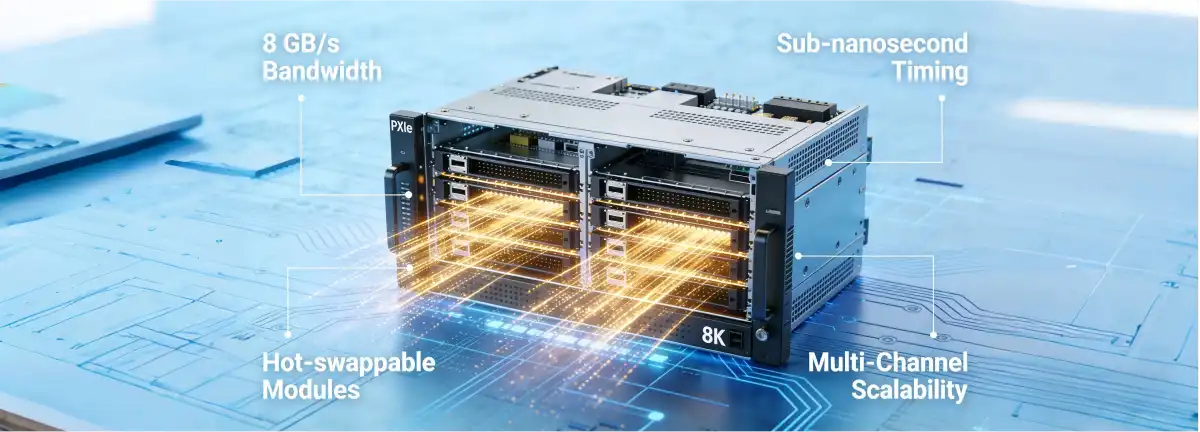
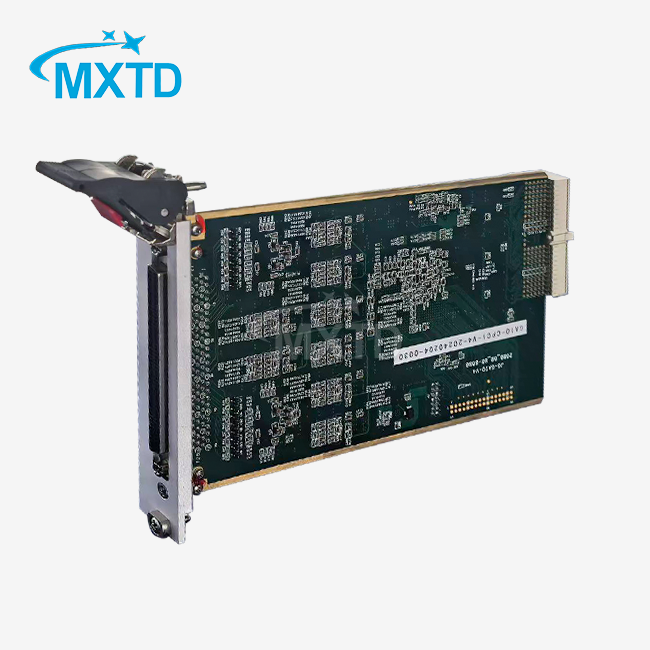
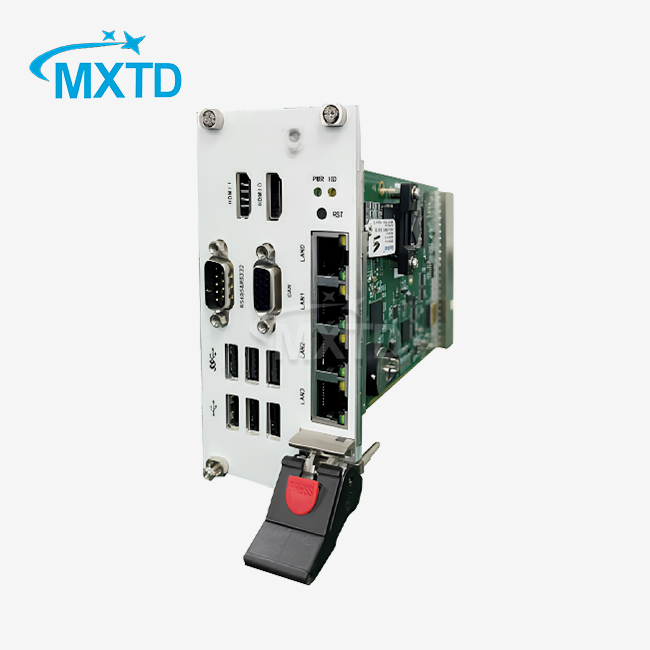
When it comes to architecture and speed, the main difference between PXIe data acquisition systems and regular acquisition cards is how they are built. Compared to standalone PCI, PCIe, or USB-based acquisition cards, a PXIe data acquisition system has a flexible design, better bandwidth, better timing, and more room for growth. In contrast to traditional cards, which only collect basic data, PXIe systems offer complete measurement platforms with standard ports, accurate time, and the ability to grow across multiple channels and instruments within a single frame.
Understanding PXIe Data Acquisition Systems
Modular Architecture and Design Philosophy
The PXIe standard is a completely new way to build instruments that meet the changing needs of current test and measurement settings. In contrast to standard stand-alone cards, these systems are based on the idea of flexibility. The design is based on a fast backplane that links several sensor modules together using standard slots. This makes a single measurement environment instead of many separate measurement places. The standard design makes sure that different parts and makers can work together. This makes integration easier and gives you more options. Each module talks to the others through its own high-speed bus, which lets complex trigger sequences and coordinated readings happen on multiple channels. With this design base, you can run complicated test cases that would be hard or impossible to do with standard card-based methods.
Performance Specifications and Capabilities
Modern PXIe systems have performance levels that are much better than those of older gathering methods. The backplane offers up to 8 GB/s of bandwidth per slot, which makes it possible for fast data transfer rates that are needed for high-speed apps. Through special clock distribution networks, timing accuracy can reach sub-nanosecond levels. This makes sure that data stay in strict temporal relationships across all related instruments. Individual frames can hold dozens of synced measurement channels, and the systems can handle high channel counts in small packages. Hardware-based triggers, real-time signal processing, and built-in calibration methods that keep measurements accurate for long periods of time are some of the more advanced features. Because of these features, PXIe is the best base for challenging apps that need to be fast and accurate.
Limitations of Traditional Acquisition Cards and the Evolution to PXIe
Inherent Constraints of Legacy Systems
There are some big problems with traditional purchase cards that become clear in complicated measurement situations. These separate devices work on their own inside host computers, which slows things down by sharing system resources and reducing the general system speed. Because there aren't any specific syncing methods, there are time errors that can make measurements less accurate in multi-channel settings. Scalability is another major problem, since adding more measurement options usually means adding more computer slots or extra hardware solutions. This method makes the system more complicated and could cause problems when using cards from different models or makers. As systems get bigger, maintenance gets harder, and parts often need to be taken out and replaced or upgraded while the system is completely shut down.
Technological Evolution and Market Demands
The switch from regular cards to a PXIe data acquisition system is part of a larger shift in the industry toward software-defined, flexible instruments. The market's needs for better performance, more adaptability, and lower total cost of ownership sparked the creation of combined platform options. PXIe meets these needs with standard connections that work with both current needs and the potential for growth in the future. It also adapts to new test settings that use more than one area and more complicated stimulus-response situations all the time. PXIe platforms are great at coordinating complex test routines across multiple measurement areas at the same time, while traditional card-based systems have trouble meeting these needs quickly.
Technical Comparison: PXIe Data Acquisition System vs Traditional Acquisition Cards
Performance and Speed Advantages
There are a lot of ways to see the difference in speed between PXIe computers and regular cards. Most noticeable is the difference in bandwidth, with PXIe providing specialized high-speed links versus standard systems' shared bus designs. This means steady data rates that don't change when the system is loading or when other tasks are running at the same time.PXIe versions are also better when it comes to latency, especially in situations where real-time replies or closed-loop control are needed. Hardware-based triggers and specialized communication paths keep the time between measurement events and system reactions to a minimum. Traditional cards depend on software to coordinate through layers of the operating system. This causes delays that can affect tasks that need to be done quickly.
Architectural Flexibility and Integration
Here are the core architectural advantages that distinguish PXIe from traditional solutions:
- Modular expansion capabilities: PXIe chassis support hot-swappable modules that can be added or reconfigured without system shutdowns, enabling adaptive test configurations that evolve with changing requirements
- Standardized connectivity: Universal slot designs ensure compatibility across different instrument types and manufacturers, reducing procurement risks and simplifying system integration processes
- Integrated synchronization: Hardware-based timing distribution eliminates the complex cabling and external synchronization equipment typically required for multi-channel traditional card installations
- Centralized control: Single-point system management through embedded controllers streamlines operation and reduces the computing overhead on host systems
These architectural benefits enable more efficient system deployment while reducing the complexity typically associated with expanding traditional card-based installations.
Cost-Effectiveness and Total Ownership Value
While initial investments in PXIe platforms may exceed traditional card costs, total ownership economics often favor the modular approach. Reduced system integration time, simplified maintenance procedures, and enhanced upgrade paths contribute to lower lifetime costs. The standardized platform approach also provides better protection against obsolescence, as modules can be updated independently without replacing entire systems.
Real-World Applications and Use Cases for PXIe Systems in B2B Environments
Aerospace and Defense Testing Applications
A lot of component quality and system validation testing in the aircraft business is done on a PXIe data acquisition system. For these uses, accurate measures are needed in many areas, such as for analyzing vibrations, passing through different temperatures, and describing electrical performance. PXIe systems work really well in these kinds of settings because they can sync up different kinds of measurements while still being able to be tracked back to national standards. Rugged design features built into PXIe modules make them useful for defense uses because they can work reliably even in difficult situations. The flexible design supports situations where test setups need to change to meet changing mission needs without requiring a lot of reconfiguration work.
Semiconductor and Electronics Manufacturing
The benefits of PXIe in high-throughput systems can be seen in production testing settings used to make semiconductors. The systems allow testing to happen at the same time on multiple device ports while keeping the accuracy of each measurement. When compared to standard card-based options, automated test equipment built on PXIe systems runs tests faster thanks to better data flow and less waste. Scalability, which lets test systems grow with output numbers, is helpful for companies that make electronics. When new products come out, they can be added as modules instead of having the whole system replaced. This saves money on capital costs while keeping test capabilities up and running.
Research and Development Environments
For exploring measures where needs may often arise, research institutions like how flexible PXIe is. The flexible method lets test sets be quickly changed to look into different events or confirm theory models. Researchers can focus on their main goals instead of the problems that come up when trying to integrate systems, which are common with card-based methods. Standardized PXIe systems are especially helpful in academic settings because they let students and experts use the same setups and methods for different projects. Standardization speeds up the learning process and lowers the level of specialized knowledge needed to run the system.
Selecting the Right Data Acquisition System for Your Business
Performance Requirements Assessment
Before picking between PXIe and standard collection methods, you should carefully look at what you need. Specifications for performance, like sampling speeds, sharpness needs, and channel numbers, help choose the right system. When you need more than one high-performance channel or need to make sure that different types of measurements are in sync, PXIe systems usually come in handy. Pay close attention to timing needs because PXIe implementations work best in situations where input and measurement events need to be perfectly coordinated. While traditional cards might work for simple measures on their own, they don't work well in complicated test situations where instruments need to work together.
Scalability and Future-Proofing Considerations
A good system choice takes into account future growth needs that might not be clear at first. Traditional card-based systems often need to have their architecture changed to make room for growth, but PXIe data acquisition systems make it easy to update by adding more modules. The modular method also protects better against technology going out of date because separate parts can be changed without affecting the whole system. Another important factor is how hard it is to integrate, especially for businesses that don't have a lot of systems engineering tools. Standardizing PXIe makes it easier to connect devices than installing traditional cards from different vendors, which can require custom software development and a lot of validation testing.
Vendor Support and Ecosystem Considerations
During the decision process, the skills of the seller should be looked at beyond the initial product specs. Full expert help, training materials, and long-term product roadmaps are all important for the smooth launch and running of a system. A mature environment with many seller choices is good for PXIe because it lowers supply chain risks and encourages fair prices. Support and service skills are especially important for businesses that work from far away or need to respond quickly to system problems. Established PXIe providers usually have full support networks that can quickly fix problems with both hardware and software.
Company Introduction and Product Information
Xi'an Mingxi Taida Information Technology Co., Ltd. (MXTD) has been a top provider of PXIe solutions since 2014. With over 12 years of experience, they know how to solve even the most difficult measurement problems. Our wide range of products includes high-performance frames, precision connectors, specialized acquisition modules, and combined testing platforms made to meet the strict needs of aerospace, military, semiconductor, industrial automation, and other industries. Our engineering team has a lot of experience with both research and development (R&D) and putting ideas into practice. This lets us offer both standard goods and solutions that are made to fit the needs of each client. We keep our industry-standard support with well-known platforms while also providing better performance and a reasonable price that gives procurement professionals the most value.MXTD's dedication goes beyond just delivering products; they also offer full technical support, such as online assistance, software updates, and choices for longer guarantee periods. Our helpful customer service team makes sure that technical questions are answered within an hour, which cuts down on downtime and keeps important apps running. Our production skills allow us to offer both standard products and unique ODM/OEM development based on individual parameter needs. We know how important it is for precision instruments to have reliable supply chains, so we've built up our operations to include special packages for transporting sensitive measuring equipment that won't break or get wet.
Conclusion
When you compare a PXIe data acquisition system to regular acquisition cards, you can see that they have major benefits that go beyond just speed. PXIe systems have more speed, better timing, and more flexibility, which solves current measurement problems and makes it easy to add more features in the future. Traditional cards can still be used for simple tasks, but they aren't as useful in the complicated, multichannel test and measurement settings of today. PXIe systems are good investments for companies that want to improve their measurement infrastructure because they offer both short-term performance gains and long-term operating benefits thanks to their uniform, scalable designs.
FAQ
What are the main performance advantages of PXIe over traditional cards?
PXIe systems provide dedicated bandwidth up to 8 GB/s per slot compared to shared bus architectures in traditional cards. They offer superior synchronization through hardware-based timing distribution and support higher channel densities within compact chassis configurations. The modular design also enables better thermal management and reduced electromagnetic interference.
Can PXIe systems integrate with existing traditional card installations?
PXIe platforms can coexist with traditional systems through software coordination and external triggering mechanisms. However, optimal performance benefits emerge when implementing complete PXIe solutions that leverage the integrated synchronization and high-speed communication capabilities inherent in the platform architecture.
How do maintenance requirements differ between the two approaches?
PXIe systems simplify maintenance through hot-swappable modules that enable component replacement without system shutdowns. Traditional cards typically require a computer shutdown and may involve complex driver reinstallation procedures. PXIe also supports remote diagnostics and calibration routines that reduce on-site service requirements.
What factors should influence the decision between PXIe and traditional cards?
Key considerations include channel count requirements, synchronization needs, scalability expectations, and total cost of ownership. PXIe becomes increasingly advantageous as system complexity grows, while traditional cards may suffice for simple, standalone measurement applications with limited expansion requirements.
Partner with MXTD for Advanced PXIe Data Acquisition Solutions
MXTD stands ready to transform your measurement infrastructure with industry-leading PXIe data acquisition systems that deliver unmatched performance and reliability. Our extensive product portfolio, combined with over 12 years of engineering expertise, ensures optimal solutions for your specific application requirements. As a trusted PXIe data acquisition system manufacturer, we provide comprehensive support from initial consultation through long-term operation, including customized configurations and responsive technical assistance. Contact our technical team at manager03@mxtdinfo.com to explore how our PXIe platforms can enhance your measurement capabilities while reducing total ownership costs through superior design and proven reliability.
References
1. Johnson, Michael R. "Modular Instrumentation Systems: A Comprehensive Analysis of PXIe Architecture and Performance Characteristics." Industrial Automation Review, vol. 45, no. 3, 2023, pp. 78-92.
2. Chen, Sarah L., and David K. Thompson. "Comparative Study of Data Acquisition Technologies in High-Speed Test Environments." IEEE Transactions on Instrumentation and Measurement, vol. 72, 2023, pp. 1-12.
3. Rodriguez, Carlos A. "Evolution of Test and Measurement Platforms: From Traditional Cards to Integrated PXIe Systems." Test & Measurement World, April 2023, pp. 24-31.
4. Williams, Rebecca M., et al. "Performance Benchmarking of Modern Data Acquisition Architectures in Aerospace Applications." Journal of Aerospace Testing, vol. 18, no. 2, 2023, pp. 156-171.
5. Kumar, Rajesh, and Elena Petrov. "Cost-Benefit Analysis of Modular vs. Traditional Acquisition Systems in Industrial Automation." Automation Engineering Quarterly, vol. 29, no. 4, 2023, pp. 203-218.
6. Anderson, James P. "Synchronization and Timing Considerations in Multi-Channel Data Acquisition Systems." Measurement Science and Technology, vol. 34, no. 8, 2023, Article 085001.


_1768287275597.webp)
Our customers’ satisfaction speaks for our quality — contact us to experience the same reliable service.