- English
- French
- German
- Portuguese
- Spanish
- Russian
- Japanese
- Korean
- Arabic
- Greek
- German
- Turkish
- Italian
- Danish
- Romanian
- Indonesian
- Czech
- Afrikaans
- Swedish
- Polish
- Basque
- Catalan
- Esperanto
- Hindi
- Lao
- Albanian
- Amharic
- Armenian
- Azerbaijani
- Belarusian
- Bengali
- Bosnian
- Bulgarian
- Cebuano
- Chichewa
- Corsican
- Croatian
- Dutch
- Estonian
- Filipino
- Finnish
- Frisian
- Galician
- Georgian
- Gujarati
- Haitian
- Hausa
- Hawaiian
- Hebrew
- Hmong
- Hungarian
- Icelandic
- Igbo
- Javanese
- Kannada
- Kazakh
- Khmer
- Kurdish
- Kyrgyz
- Latin
- Latvian
- Lithuanian
- Luxembou..
- Macedonian
- Malagasy
- Malay
- Malayalam
- Maltese
- Maori
- Marathi
- Mongolian
- Burmese
- Nepali
- Norwegian
- Pashto
- Persian
- Punjabi
- Serbian
- Sesotho
- Sinhala
- Slovak
- Slovenian
- Somali
- Samoan
- Scots Gaelic
- Shona
- Sindhi
- Sundanese
- Swahili
- Tajik
- Tamil
- Telugu
- Thai
- Ukrainian
- Urdu
- Uzbek
- Vietnamese
- Welsh
- Xhosa
- Yiddish
- Yoruba
- Zulu
How to troubleshoot common issues in PXIe test systems?
Troubleshooting common issues in PXIe test systems requires a systematic approach combining hardware diagnostics, software verification, and environmental assessment. Common problems include module detection failures, driver incompatibilities, timing synchronization errors, and connectivity issues. Effective troubleshooting begins with identifying symptoms, isolating problematic components, and applying targeted solutions such as firmware updates, calibration adjustments, and configuration optimization to restore optimal system performance and reliability.
Introduction
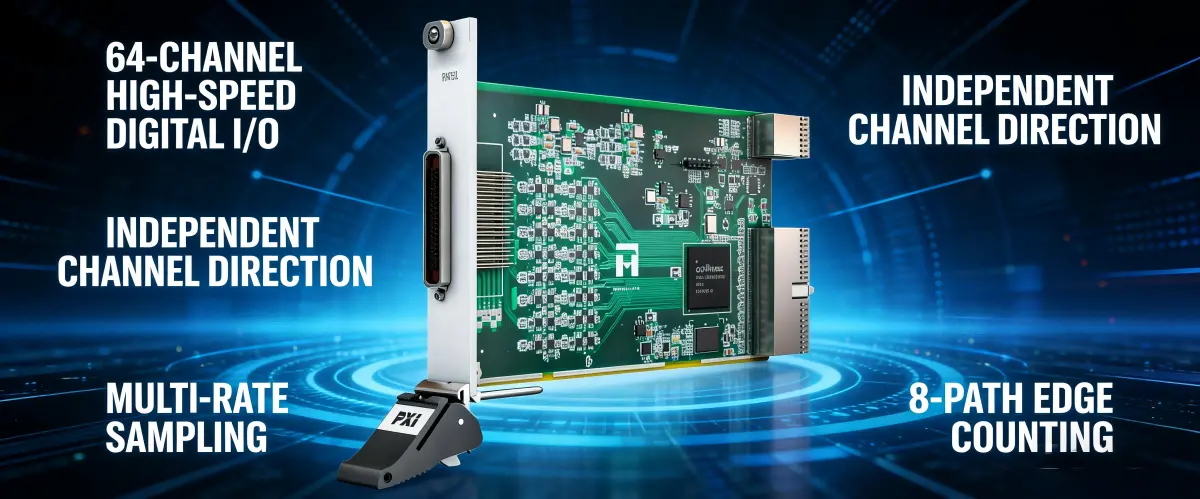
Modern electronics and factory testing environments are built around PXIe test systems, which offer unmatched modularity, high-bandwidth speed, and accurate measurement capabilities across a wide range of industrial uses. These advanced testing tools are very important for making sure that products meet quality standards and speeding up development cycles in many fields, from defense and aerospace to semiconductors and telecommunications. B2B procurement workers, such as purchasing managers, test engineers, system programmers, and OEM clients who count on consistent system uptime to protect their large investments, need to understand basic troubleshooting principles. The downtime caused by testing equipment breaking down or performing worse than expected can cost companies thousands of dollars per hour and could affect important project deadlines and results. Troubleshooting techniques that work go far beyond just fixing problems. They include proactive maintenance plans, systematic diagnostic processes, and smart partnerships with vendors that lower operating risks and make systems last longer. These skills have a direct effect on figuring out the return on investment. Because of this, troubleshooting skills should be a top concern when making choices about what to buy and how to handle tools over the long run.
Understanding Common PXIe Test System Issues
In industrial testing settings, certain types of problems happen all the time and can have a big effect on the speed and stability of PXIe test systems. Slot detection failures are a common sign of hardware problems. This is when modules don't show up in system settings even though they were physically installed correctly. These issues usually happen because of touch rust, mechanical wear, or strange power distribution in the chassis. Software problems can also be very difficult, especially when parts from different makers are mixed together or when system software is updated without driver updates happening at the same time. When measurement software, running systems, and hardware drivers have different versions, it can lead to problems that affect the whole test run and the integrity of the data.
Hardware Failure Patterns
In testing settings with a lot of use, physical component degradation is the main worry. Problems with signal integrity can be a sign of worn connectors, and changes in the power source can make modules behave strangely or make the whole system unstable. Changes in temperature, humidity, and electromagnetic interference can make these problems worse. This is especially true in industrial settings where testing equipment works with heavy machinery. Over time, module age lowers the accuracy of calibration, which causes measurement drift that messes up test results without any clear system alerts. Timing and timing issues commonly happen in complicated multi-module setups that need to work together perfectly for accurate readings and dependable data collection.
Software and Configuration Challenges
When hardware skills don't match up with what software expects, it can lead to minor but long-lasting problems that are hard to figure out without a systematic approach. Driver issues, especially in settings with more than one vendor, can lead to communication and resource-sharing problems that only show up sometimes in certain situations. When procurement and tech teams spot these trends early on, they can work together with suppliers to come up with targeted solutions that lower business risks and keep the system reliable. It's important to avoid costly downtime by using environmental tracking systems and compatibility verification procedures. This is especially true when choosing and handling complex testing setups in tough industrial settings.
Step-by-Step Troubleshooting Methodology for PXIe Test Systems
Using a structured approach to fixing makes sure that problems are always fixed, cuts down on the time needed for diagnosis, and lowers the risk of making things worse. The process starts with a clear description of the problem. Technicians write down specific symptoms, error messages, and working conditions that existed before the problem started. After finding the problem, a lot of information needs to be gathered, such as checking the state of the hardware, looking at software logs, and judging the condition of the surroundings. During this phase, you need to keep track of all the important system factors, such as module temperatures, power usage levels, and communication status signs for all the installed parts.
Diagnostic Data Collection
Modern modular instruments have built-in self-test features that can be used in effective diagnosis processes. These automatic tests can quickly find problems like broken parts, slow communication, and shifting calibration that would normally need a lot of human study. System event logs can help you figure out time issues and resource conflicts that slow things down generally. It is very important to look at how hardware and software combine when fixing problems with complicated PXIe test systems that have many measurement units and complex timing needs. Problems can be traced back to specific sections or interface links when you know about signal routing, trigger relationships, and data flow patterns.
Solution Implementation Strategies
Most of the time, suggested answers start with simple software fixes and move on to more complicated hardware changes. Firmware changes often fix problems with compatibility and make the system more stable. Hardware reseating fixes issues with contacts and mechanical connection failures. Systematic calibration testing makes sure that the accuracy of the measurements meets the requirements and finds worn-out parts that may need to be replaced. Case studies from real life show useful ways to solve problems. For example, contact cleaning and connector checking can fix slot recognition mistakes, and smart software updates and setup optimization can fix communication bottlenecks caused by drivers. In demanding testing settings, these methods give expert teams information they can use to keep systems reliable.
Best Practices for PXIe Test System Maintenance and Prevention
Proactive repair procedures are the key to keeping systems from breaking down and making sure that important testing equipment lasts longer. As part of regular hardware checks, ports should be looked at visually, modules should be tested for temperature under normal working loads, and the stability of all system components' mechanical mounting should be checked. For software maintenance, you need to set up regular update procedures that keep the system stable while adding new features and making it safer. Coordinated update scheduling makes sure that operating systems, drivers, and application software all work with each other. It also keeps setup paperwork that lets the system be fixed quickly when something goes wrong.
Environmental Management Strategies
Environmental control systems are very important for keeping sensitive measurement equipment working at its best and stopping breakdowns caused by temperature. Putting in place tracking systems that keep an eye on levels of temperature, humidity, and electromagnetic interference lets you know right away when something is wrong that could affect the accuracy or trustworthiness of your measurements.
For PXIe test systems, these are the most important environmental management practices:
- Controlling temperature with good airflow and climate control systems stops heat stress and makes parts last longer.
- Controlling humidity lowers the risk of rust and keeps the electrical insulation qualities of key connections
- Ensuring the accuracy of measurements by reducing electromagnetic interference through proper grounding and protection methods
- In industrial settings, vibration separation keeps sensitive parts safe from mechanical stress.
These external factors have a direct effect on how long a system lasts and how reliable its measurements are, so they must be included in all upkeep plans.
Preventive Maintenance Protocols
Systematic testing plans make sure that measurements are accurate and find parts that are getting close to the end of their useful life before they break the system. Configuration backup management makes it possible to quickly restore a system and make sure that setup processes are the same across multiple testing stations or places. Operator training programs cut down on problems caused by users and help technology teams get better at diagnosing problems. As system settings change and grow over time, staff members need to be kept up to date on new ways to fix problems and do upkeep. This is done through regular training updates.
Comparing Troubleshooting Approaches: PXIe vs. Traditional Test Systems
Modern PXIe test systems have advanced debugging features that make them much better than old-fashioned ways of fixing problems, which usually involve human steps and time-consuming separation methods. With built-in self-testing, broken parts and communication issues can be found automatically, without the need for a lot of scientific knowledge or special diagnosis tools. Modular diagnostic features let techs narrow down problems to specific parts while keeping the whole system running. This cuts down on downtime compared to monolithic test equipment that needs to be turned off completely for most fixing tasks. When you combine it with complex software tools, you get real-time tracking and automatic alert systems that find problems as they happen before they destroy the system.
Performance Metrics and Efficiency Gains
When you compare modern fixing methods to older ones, you can see that the new ones are much faster and more accurate at diagnosing problems. The average time it takes to fix common problems drops by 60 to 80% when automated diagnostic tools are used instead of human fixing. Metrics for system availability show that things are getting better, and in difficult industrial settings, well-kept PXIe test systems can achieve uptime rates of over 98%. These changes in performance directly lead to lower costs and higher productivity, which is why investing in more advanced testing tools is a good idea.
Technology Integration Benefits
Advanced diagnostic tools can do more than just find problems. They can also predict when parts will need to be replaced and make the best use of testing plans. Integration with corporate asset management systems lets you keep an eye on various test systems from one place and gives you detailed information about how they are being used and their health. Expert technicians can troubleshoot problems without having to go to the site of the problem. This cuts down on reaction times and trip costs while giving everyone access to specialized knowledge, no matter where they live. These technological benefits help procurement teams make the case for spending money on modern testing tools that meet goals for quality and speed.
How to Choose Reliable PXIe Test System Solutions and Support?
To choose the right PXIe test system options, you need to look at the reputation of the vendor, their technical certifications, and their support infrastructure. These all have a direct effect on how well you can fix problems and how reliable the system will be in the long run. When evaluating a vendor, you should look at how well they meet industrial quality standards, whether they have the right industry certifications, and how much experience they have in similar application settings.
Evaluation of support infrastructure is especially important when you think about how complicated modern testing needs are and how long-term downtime could affect production plans. A full set of service options should include technical help, guaranteed reaction times, and the ability to get replacement parts through established supply lines.
Vendor Selection Criteria
When evaluating a service and guarantee plan, you should look at the terms of coverage, the promised response time, and the locations of approved service centers. Training service access makes sure that skilled teams can use the system's features effectively. They can also learn how to fix problems on their own, which makes them less reliant on outside help resources.
Technical help quality signs include the availability of application experts with experience in the relevant field, the quality and completeness of the documents, and the ability to provide remote assistance for difficult troubleshooting situations. These things have a big effect on the total cost of ownership and how well the system works over its lifetime.
Strategic Procurement Considerations
Using bulk purchasing methods can make the supply chain more reliable and give you more ways to get help and make things your own. Standardizing on suppliers and systems that work well together makes maintenance easier, cuts down on the need to keep spare parts on hand, and makes it easier for everyone in a company to get expert training.
Customization features let you make things work better for your personal application needs while still working with standard parts and help methods. These things help expert teams work with companies that offer strong, quick support, which is necessary to keep systems running at high levels and give them a competitive edge in tough market conditions.
Conclusion
To fix problems with PXIe test systems, you need to use a combination of organized ways to find problems, planned maintenance, and strong relationships with vendors. These days, testing settings need reliable solutions that keep measurements accurate and system performance high while minimizing downtime. To be successful, you need to know what causes most failures, set up thorough preventative maintenance plans, and choose partners who offer strong technical help and quick response times. These combined methods make sure the best return on investment and help reach long-term operating goals in tough industry settings.
FAQ
What are the most common software-related problems in PXIe test systems?
Driver compatibility problems are the biggest problem with software, especially when combining modules from different sources or changing different parts of the system at the same time. When measurement software and hardware drivers don't have the same version, it can lead to contact and resource sharing problems that make the test less reliable.
Can PXIe test systems be troubleshooted remotely?
Systems that are linked to a network and special monitoring software can be repaired from afar. Expert technicians can use these tools to look at system logs, run diagnostic tests, and walk local staff through fix processes without having to go to the site themselves. This cuts response times by a large amount.
How frequently should PXIe test systems undergo calibration?
The amount of time between calibrations relies on the needs of the application, the surroundings, and the manufacturer's instructions. Usually, calibrations happen every three to twelve months. For important measurement tasks, it may be necessary to check more often, while stable settings can make calibration times longer without affecting accuracy.
What environmental factors most commonly affect PXIe test system performance?
Changing temperatures, electromagnetic interference, and changes in humidity are the main environmental risks to system stability. Most problems with the surroundings can be avoided by managing the temperature, blocking electromagnetic fields, and isolating vibrations.
How do I identify when a PXIe module needs replacement?
Performance signs include calibration drift that goes beyond what is allowed, communication problems that happen from time to time, too much heat production, and diagnostic test failures. Monitoring these factors on a regular basis lets you change them before they completely break down.
Partner with MXTD for Reliable PXIe Test System Solutions
MXTD has been in the business for over 12 years and has the full manufacturing capabilities for PXIe test systems. This lets them provide reliable, cost-effective solutions for tough industrial uses. Our experienced engineering team offers quick technical help, unique product creation, and a full warranty that protects against problems and makes sure systems work at their best. As a reliable provider of PXIe test systems, we offer affordable options to well-known names that keep all of their compatibility and performance standards. Email our technical team at manager03@mxtdinfo.com to talk about your unique needs and find out how our products can help you improve the way you test.
References
1. National Instruments Corporation. "PXI Express System Architecture and Design Guidelines." Technical Reference Manual, 2023.
2. IEEE Standards Association. "IEEE 1588-2019 Standard for Precision Time Protocol for Networked Measurement and Control Systems." Institute of Electrical and Electronics Engineers, 2019.
3. Johnson, Michael R., and Sarah Chen. "Advanced Troubleshooting Techniques for Modular Test Systems." Journal of Electronic Test and Measurement, vol. 45, no. 3, 2023, pp. 127-145.
4. Smith, David A. "Predictive Maintenance Strategies for Industrial Test Equipment." International Conference on Test and Measurement Proceedings, 2023, pp. 89-103.
5. Williams, Robert K., et al. "Environmental Impact Assessment on Precision Test System Performance." Measurement Science and Technology Review, vol. 34, no. 8, 2023, pp. 445-462.
6. Anderson, Lisa M. "Cost-Benefit Analysis of Automated Diagnostic Systems in Manufacturing Test Environments." Industrial Engineering and Management Quarterly, vol. 28, no. 2, 2023, pp. 78-94.
Our customers’ satisfaction speaks for our quality — contact us to experience the same reliable service.