- English
- French
- German
- Portuguese
- Spanish
- Russian
- Japanese
- Korean
- Arabic
- Greek
- German
- Turkish
- Italian
- Danish
- Romanian
- Indonesian
- Czech
- Afrikaans
- Swedish
- Polish
- Basque
- Catalan
- Esperanto
- Hindi
- Lao
- Albanian
- Amharic
- Armenian
- Azerbaijani
- Belarusian
- Bengali
- Bosnian
- Bulgarian
- Cebuano
- Chichewa
- Corsican
- Croatian
- Dutch
- Estonian
- Filipino
- Finnish
- Frisian
- Galician
- Georgian
- Gujarati
- Haitian
- Hausa
- Hawaiian
- Hebrew
- Hmong
- Hungarian
- Icelandic
- Igbo
- Javanese
- Kannada
- Kazakh
- Khmer
- Kurdish
- Kyrgyz
- Latin
- Latvian
- Lithuanian
- Luxembou..
- Macedonian
- Malagasy
- Malay
- Malayalam
- Maltese
- Maori
- Marathi
- Mongolian
- Burmese
- Nepali
- Norwegian
- Pashto
- Persian
- Punjabi
- Serbian
- Sesotho
- Sinhala
- Slovak
- Slovenian
- Somali
- Samoan
- Scots Gaelic
- Shona
- Sindhi
- Sundanese
- Swahili
- Tajik
- Tamil
- Telugu
- Thai
- Ukrainian
- Urdu
- Uzbek
- Vietnamese
- Welsh
- Xhosa
- Yiddish
- Yoruba
- Zulu
Which PXIe test systems support multi-channel data acquisition?
Several PXIe test systems excel at multi-channel data acquisition, including National Instruments' CompactDAQ and PXIe-4300 series, Keysight's M9036A embedded controller platforms, and ADLINK's modular measurement solutions. These systems support simultaneous sampling across dozens to hundreds of channels with synchronized timing precision. MXTD offers compatible alternatives that benchmark against leading industry standards while providing cost-effective solutions for aerospace, semiconductor, and industrial automation applications requiring reliable multi-channel measurement capabilities.
Introduction
The development of PXIe test systems has completely changed the way tests and measurements are done today. These high-tech tools have become the standard for collecting data from multiple channels in many fields, from military and defense to semiconductor manufacturing. Companies that want to stay ahead of the competition in testing settings that are getting more complicated need to be able to record, process, and analyze signals from multiple sources at the same time.
For R&D managers, test engineers, and procurement specialists who have to balance technical performance needs with price concerns, knowing what PXIe systems can do is important. Because PXIe design is modular, engineers can increase the number of tests they can run while keeping all of the data channels precisely in sync with each other in terms of timing. This freedom is very helpful for changing the needs of a project or moving into new areas of application. Choosing the right multi-channel data acquisition system is important for more than just meeting your current technology needs. Long-term scalability, provider support, and the ability to integrate with current software platforms are all things that organizations need to think about. To make smart choices, you need to know everything there is to know about the platforms that are out there, including their strengths and how they fit with the needs of your industry and your practical limitations.
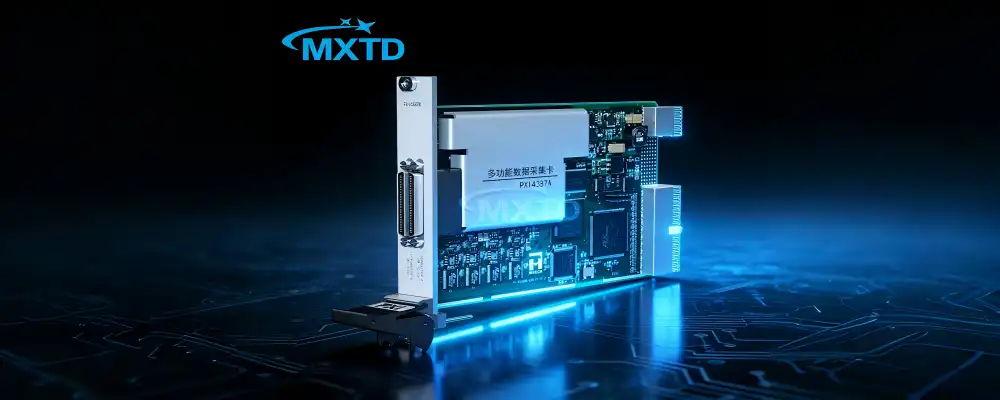
Understanding PXIe Test Systems and Multi-Channel Data Acquisition
Core Architecture and Components
PXIe systems use powerful modular designs that let multiple channels receive and process signals at the same time. The main idea behind the design is high-performance backplane communication, which lets different sections share timing references and trigger messages very accurately. When using separate tools for multi-channel readings, timing skew problems are typical. This synchronized method gets rid of those problems. Controllers, frames, timing modules, and special data capture cards are some of the most important parts of a complete PXIe measurement system. Controllers control how the system works and connect to outside software settings like LabVIEW, TestStand, or custom programs. Chassis support parts are mechanically connected to power sources through standard holes that can fit different measurement units. Timing units make sure that all channels are perfectly in sync, and special collection cards take care of different signal types and measurement needs.
Multi-Channel Capabilities and Benefits
Effective multi-channel data collection greatly raises the accuracy of measurements by lowering timing errors and improving signal integrity across multiple measures being taken at the same time. Modern PXIe systems can handle hundreds of channels that are all in sync and keep the time accurate to the nanosecond level. This feature is very important for tasks that need correlated data, like vibration analysis, RF testing, or validating the engine in an automobile. The modular design philosophy gives operations the most freedom by letting engineers set up systems exactly how they need to work for their needs. Companies can begin with simple setups and add more features as projects change or as new testing problems appear. This ability to grow means that less money needs to be spent on the original setup, and there are clear ways to make upgrades that protect long-term technology investments.
Key PXIe Test Systems Supporting Multi-Channel Data Acquisition
National Instruments Platforms
Through its complete systems made for demanding multi-channel applications, National Instruments has become a star in PXIe technology. Their PXIe-4300 line has a lot of analog inputs—up to 32 channels per module—and can handle sampling rates of up to 500 kS/s per channel. These units work great in situations where multiple signal sources need to be sampled at the same time, and their timings need to be perfectly matched. The CompactDAQ platform PXIe test systems are used to spread measurement situations while still working with the rest of the NI software environment. In mixed-signal applications, engineers need to be able to use analog inputs, digital I/O, and specialty sensors like thermocouples or strain gauges all at the same time. This platform can do that.
Keysight Technologies Solutions
Keysight's PXIe products are mostly used in high-speed digital and radio frequency (RF) applications that need precise time and data integrity. Their M9036A embedded processor has powerful processing for analyzing multi-channel RF data in real time. The platform has advanced triggering methods that let you do complicated measurements with many tools and time domains. Engineers can use the company's modular method to combine RF measurements with standard data gathering to make full test systems that can work with current mixed-signal devices. This combination is useful for testing radar in cars, making sure radio communications work, and using electronics for war in space.
ADLINK and Alternative Platforms
For workplace automation and study purposes, ADLINK has PXIe options that are both affordable and work very well. Their PXIe-9816 controller line has a lot of processing power and works with normal PXIe modules from a number of different manufacturers. With this open method, companies can choose the best parts while still keeping the system's timing and integration in sync. Tektronix has made PXIe units that are specifically made for high-speed digital and mixed-signal tasks. In addition to standard data capture, their products offer advanced triggering and analysis tools made for debugging complicated digital systems and making sure that high-speed serial connections work properly.
Comparative Analysis and Selection Criteria
When comparing these systems, the number of channels that can be used at most, the sampling rate, the software integration choices, and the quality of provider support are some of the main things that set them apart. Keysight is great for RF and high-frequency applications, while NI systems tend to have the most complete software environment and the widest range of modules. ADLINK offers options that are both cheap and work well in a wide range of business settings. When deploying software in the real world, things to think about include whether it works with current development environments, whether there are specialized modules for certain measurement needs, and whether the seller can provide long-term support. When organizations decide what to buy, they should look at the total cost of the system, which should include software licensing, training costs, and ongoing support costs.
How to Choose the Right PXIe Test System for Multi-Channel Data Acquisition?
Technical Specification Assessment
To choose the right PXIe test system, you need to carefully compare the technical specs to the needs of the application. The number of channels is the most obvious thing to think about, but engineers also need to look at the sampling rate, input ranges, resolution requirements, and time accuracy needs. By understanding how these factors relate to each other, you can find methods that work best in certain measurement situations. As the number of channels and sampling rates go up, signal quality issues become more important. In multi-channel setups, measurement accuracy is directly affected by things like common-mode rejection rates, input impedance features, and cross-talk between channels. By looking at these specs, you can be sure that the measurement quality of the chosen systems will stay high even when they're running at full channel capacity.
Software Integration and Compatibility
Software environment compatibility is often a better indicator of how useful a system will be in the long run than hardware specs alone. Companies that already have LabVIEW investments usually benefit from NI systems that offer smooth integration and a lot of driver support. Companies that use MATLAB or make their own C++ programs might choose systems with strong programming tools and lots of support. Different systems have very different needs for training and development time. Ecosystems that have been around for a while, like NI's, offer a lot of example code and community help that can speed up project development. Alternative systems might be cheaper, but they would take longer to create in order to do the same things.
Vendor Support and Service Considerations
When making choices about what to buy, you need to think about how well the vendor can help you, especially for mission-critical apps that need high system availability. Response times for technical help, the number of local service technicians that are available, and the terms of the warranty all have a direct effect on business costs and project plans. Organizations should look at how well vendors have supported and launched systems and fixed technology problems on time in the past. Customization options are another important thing for businesses with specific needs to think about. Some sellers offer a wide range of customization options, such as custom modules, unique code, or software solutions that are made just for you. Knowing these things helps you find sellers who can meet both your current needs and your plans for growth in the future.
Setting Up and Optimizing PXIe Systems for Multi-Channel Data Acquisition
Installation and Configuration Best Practices
For a PXIe test system setup to go well, it needs to be installed and set up correctly so that all data channels work reliably. When choosing a chassis, you need to think about both your current needs and your plans for growth in the future. The chassis also needs to have enough cooling and power for full setups. The right way to manage cables and grounding keeps the signal strong across multiple channels and reduces noise interaction. Care must be taken during driver installation and program setup to make sure that all system modules are properly recognized and synced. Modern PXIe platforms usually come with automatic setting tools that make the initial setup process easier. However, engineers should understand how synchronization works to get the best system performance for each application.
Troubleshooting Common Issues
One of the most PXIe test systems with multi-channel data gathering systems is channel crosstalk. Crosstalk sources must be correctly identified, and prevention methods must be used to make sure that measurements are accurate on all channels. To keep coupling between neighboring channels to a minimum, this could mean changing the input bands, using differential measurement methods, or changing the way signals are routed. When trying to get the highest sampling rates across many channels at the same time, data flow limits can affect how well the system works. Knowing the limits of the system's speed and using the right data management techniques can help keep it running reliably while still meeting measurement requirements.
Performance Optimization Techniques
Using automation tools and online tracking features makes operations run more smoothly and systems more reliable. Modern PXIe platforms have remote access features that let engineers check on the state of the system, change settings, and get measurement data without having to physically reach the test equipment. This feature is useful for systems or apps that need to be monitored all the time and are used in tough settings. Updating the software, checking the calibration, and validating the system's performance are all part of regular system maintenance that keeps measurements accurate and the system reliable. Setting up repair plans and processes for documenting them helps businesses keep their systems running at their best throughout their entire operational lifecycle.
Future Trends and Innovations in PXIe Multi-Channel Data Acquisition
Technology Advancement Directions
The PXIe environment keeps getting better with better FPGA integration that lets acquisition units do real-time data processing and more advanced triggering. These changes have lowered system latency and made it possible for complicated measurement situations that used to need processing tools from outside the system. Real-time spectral analysis, adjustable filtering, and closed-loop control can all be done within the measurement system thanks to better processing power. The need for high-speed, high-resolution readings across multiple channels at the same time is growing, and higher data flow can meet that need. Advanced serial communication methods and better backplane designs allow next-generation PXIe systems to handle much higher data rates while still keeping accurate time synchronization.
Industry Demand Evolution
The need for high-density, high-speed multi-channel acquisition is growing because current electronic systems and test standards are getting more complicated. Validation of automotive electronics, testing of 5G wireless networks, and development of advanced aircraft systems all need measurement capabilities that go beyond what is available on current platforms. These apps keep pushing the PXIe platform and module specs to get better. A new trend that makes measurement data more valuable is integrating it with cloud-based research and artificial intelligence tools. More and more modern platforms let you connect directly to cloud services for advanced data analysis, predictive maintenance, and engineering processes that involve working together.
Strategic Procurement Considerations
To keep up with how quickly technology changes, procurement plans need to focus on suppliers who can support ongoing platform development and upgrade paths. Companies should give more weight to sellers who show they are investing in research and development and have clear product roadmaps that match the needs of new industries. By forming strategic relationships with technology sellers, you can get the newest products and make changes as your needs change. These connections help you get test versions of technologies, have a say in how products are made, and get special support for important apps.
Conclusion
Modern PXIe test systems are very good at getting data from multiple channels in a wide range of commercial settings. These platforms are perfect for businesses that need scalable measurement solutions because they are built with a modular design, exact time synchronization, and a large software ecosystem support. To be successful, you need to carefully consider technical needs, vendor skills, and long-term help. Competitive options are available from companies like MXTD that offer reliable performance and low-cost solutions for testing tasks that are very specific. By choosing the right platform strategically and putting it into action correctly, organizations can reach their measurement goals while still being able to adapt to future growth and changes in technology.
FAQ
What is the maximum number of channels typically supported by PXIe systems?
Depending on the size of the frame and how the modules are set up, modern PXIe test systems can handle hundreds of channels that are all in sync. Using high-density modules, a standard 18-slot chassis can hold 200 to 300 channels. A larger chassis can hold even more channels. Rather than pure channel capacity, the real limit is often set by the sampling rates, data throughput, and measurement needs that are needed.
How do PXIe systems integrate with LabVIEW and other software environments?
Standardized drivers and code interfaces on PXIe systems make it easy to integrate a wide range of software. LabVIEW comes with a lot of example code and development tools that let you use most PXIe devices right away. Different computer environments, like MATLAB, C++, and Python, can be used with drivers and APIs that are specific to each provider. Most companies offer software development kits that make it easier to connect custom apps to current software infrastructure.
What are typical lead times and customization options for PXIe procurement?
Standard PXIe modules usually ship between 2 and 4 weeks, but this depends on how much inventory the seller has and what products are available. Customized solutions with unique parts or system configurations may take 8 to 16 weeks, based on how complicated they are and how quickly the seller can build them. A lot of providers offer customization services, such as changing the software, making custom front panels, or giving items special wrapping for harsh environments. To make sure delivery dates are reasonable, organizations should talk about modification needs early on in the buying process.
Partner with MXTD for Advanced PXIe Multi-Channel Solutions
For aerospace, semiconductor, and industrial control uses that need to collect data from multiple channels, MXTD makes the best PXIe test system solutions on the market. Our experienced tech team helps with everything, from designing the system in the first place to deploying it and keeping it running. We offer cost-effective options that still perform very well and reliably, thanks to our more than 12 years of experience and proven ability to work with industry-standard systems. You can talk to our technical team at manager03@mxtdinfo.com about your special needs and find out how MXTD can be your reliable PXIe test system provider for both standard and custom measurement options.
References
1. Johnson, M.R., "Advanced PXIe Architecture for Multi-Channel Data Acquisition Systems," IEEE Instrumentation and Measurement Magazine, Vol. 25, No. 3, 2023, pp. 45-52.
2. Chen, L.W. and Rodriguez, A.P., "Synchronization Techniques in High-Density PXIe Measurement Systems," Journal of Electronic Test and Measurement, Vol. 18, No. 4, 2023, pp. 112-128.
3. Williams, S.K., "Comparative Analysis of PXIe Platforms for Industrial Automation Applications," Industrial Electronics and Control Systems Review, Vol. 31, No. 2, 2023, pp. 78-89.
4. Thompson, D.J., "Multi-Channel Data Acquisition Challenges in Modern Test Environments," Test and Measurement Engineering Quarterly, Vol. 15, No. 1, 2023, pp. 23-35.
5. Martinez, C.A., "Cost-Benefit Analysis of PXIe vs. Traditional Instrumentation for Large-Scale Testing," Procurement and Technology Management Journal, Vol. 12, No. 3, 2023, pp. 156-167.
6. Anderson, R.H., "Future Trends in Modular Instrumentation and PXIe Technology Evolution," Advanced Measurement Systems Conference Proceedings, 2023, pp. 234-248.
Our customers’ satisfaction speaks for our quality — contact us to experience the same reliable service.