- English
- French
- German
- Portuguese
- Spanish
- Russian
- Japanese
- Korean
- Arabic
- Greek
- German
- Turkish
- Italian
- Danish
- Romanian
- Indonesian
- Czech
- Afrikaans
- Swedish
- Polish
- Basque
- Catalan
- Esperanto
- Hindi
- Lao
- Albanian
- Amharic
- Armenian
- Azerbaijani
- Belarusian
- Bengali
- Bosnian
- Bulgarian
- Cebuano
- Chichewa
- Corsican
- Croatian
- Dutch
- Estonian
- Filipino
- Finnish
- Frisian
- Galician
- Georgian
- Gujarati
- Haitian
- Hausa
- Hawaiian
- Hebrew
- Hmong
- Hungarian
- Icelandic
- Igbo
- Javanese
- Kannada
- Kazakh
- Khmer
- Kurdish
- Kyrgyz
- Latin
- Latvian
- Lithuanian
- Luxembou..
- Macedonian
- Malagasy
- Malay
- Malayalam
- Maltese
- Maori
- Marathi
- Mongolian
- Burmese
- Nepali
- Norwegian
- Pashto
- Persian
- Punjabi
- Serbian
- Sesotho
- Sinhala
- Slovak
- Slovenian
- Somali
- Samoan
- Scots Gaelic
- Shona
- Sindhi
- Sundanese
- Swahili
- Tajik
- Tamil
- Telugu
- Thai
- Ukrainian
- Urdu
- Uzbek
- Vietnamese
- Welsh
- Xhosa
- Yiddish
- Yoruba
- Zulu
How Does a 16-Bit PXI Analog Acquisition Board Work?
A 16-bit PXI analog acquisition board works by using advanced analog-to-digital converters (ADCs) to turn continuous analog inputs into exact digital data. These ADCs can pick up 65,536 different voltage levels. The board takes samples of incoming analog signals at set times, runs them through precision amplification and anti-aliasing filters, and then turns the signals into digital form so they can be analyzed by a computer. This modular PXI architecture lets chassis systems and software platforms work together without any problems. It gives engineers the accurate, high-resolution data collection tools they need for tough measurement tasks in research, aerospace testing, and industrial automation.
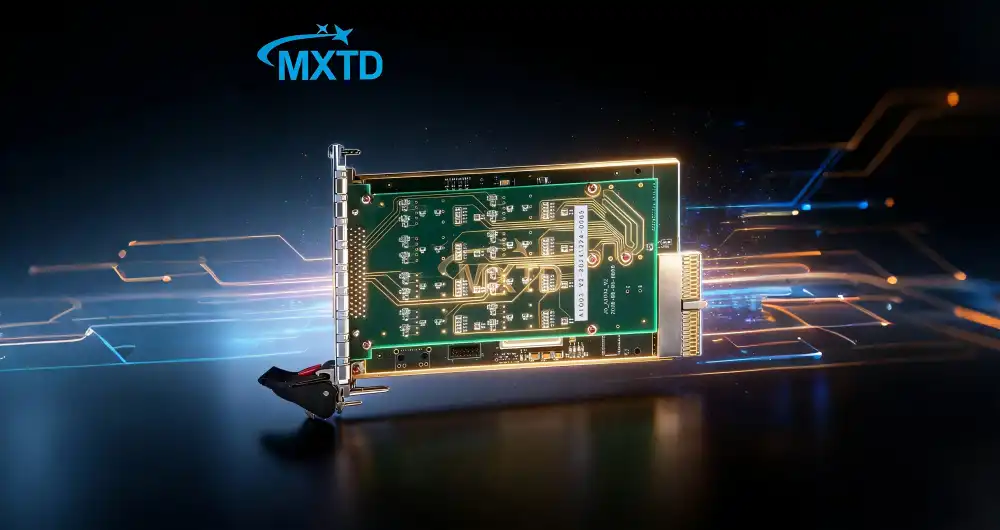
Understanding the Fundamentals of a 16-Bit PXI Analog Acquisition Board
Core Architecture and Signal Processing Components
To build a precise data acquisition system, you need to know how analog acquisition boards turn signals from the real world into digital data that can be measured. At its heart, a 16-bit PXI analog acquisition board is made up of many specialized parts that work together to make measurements very accurate and reliable. Input conditioning circuits get arriving analog signals ready for conversion at the start of the signal line. Usually, these circuits have programmable gain amplifiers (PGAs) that make sure the input values are in the best settings for the ADC so that it can use all of its resolution. Anti-aliasing filters get rid of unwanted high-frequency parts that could cause mistakes in measurements due to aliasing. The 16-bit ADC, which turns analog signals into 65,536 different digital values, is what the system is all about. This precision is much better than 12-bit computers, which can only handle 4,096 levels. The extra bit depth directly leads to more accurate measurements, which can pick up on smaller changes in the output and less quantization noise.
Sampling Rate Impact on Data Fidelity
Choosing the right sampling rate has a big impact on the quality and accuracy of the data that is collected. Modern PXI analog acquisition systems usually have sampling rates that range from a few samples per second to several million samples per second. This lets engineers choose the right acquisition speed for each application. To keep aliasing distortion from happening, the Nyquist theorem says that sampling frequencies must be higher than twice the highest frequency component in the signal being recorded. Higher sampling rates can record faster signal changes and improve time clarity. Lower rates may be enough for signals that change slowly and help reduce the amount of data that needs to be stored.
Resolution Advantages in Measurement Accuracy
When compared to options with smaller bit depth, the 16-bit precision makes measurement much easier. The system can tell the difference between voltages as little as 1 part in 65,536 of the full-scale range thanks to its 16 bits. This means that the expected precision for measuring a 10-volt signal is about 153 microvolts. This makes it possible to pick up on small changes in the signal that systems with lower resolution would miss. For tasks that need to measure a wide range of dynamic ranges, like vibration analysis, strain gauge tracking, and precise sensor characterization, this higher sensitivity is very helpful. Engineers can record both large changes in the signal and small changes in the level at the same time without affecting the accuracy of the measurement.
Advantages and Applications of 16-Bit PXI Analog Acquisition Boards
Performance Benefits Over Alternative Technologies
The modular PXI design has big benefits over USB data acquisition devices that work on their own and other portable options. PXI systems have better shielding against electromagnetic interference (EMI), more stable power sources, and better thermal control. These all help to make measurements more accurate and reliable over time.
The best things about PXI-based capture tools are these:
- Higher Channel Density: PXI frames can hold multiple boards, which lets systems with hundreds of acquisition channels running at the same time fit into a small space.
- Better Timing and Synchronization: Dedicated trigger buses and high-precision clocks make sure that readings on different channels and boards are timed correctly.
- Scalable Architecture: The modular design makes it easy to add on as testing needs change, protecting original investments while allowing for growth.
- Better noise performance: a shielded backplane and controlled impedance links keep signal loss and channel crosstalk to a minimum.
These benefits make it easier to measure things in tough manufacturing settings where accuracy and dependability are very important.
Comparison with 12-Bit Systems
When high-precision readings are needed, the difference in speed between 12-bit and 16-bit acquisition methods becomes clear. While 12-bit computers have enough resolution for many general-purpose tasks, they don't work well for tests that need to see fine details or have a wide dynamic range. The 16-bit PXI analog acquisition board has 16 times better precision than 12-bit boards, which lets you measure data with a lot more accuracy. This better ability is very important for testing the pollution of cars, where small changes in the concentration of exhaust gases need to be picked up correctly, and for testing materials, where small changes in strain show important mechanical qualities.
Industrial and Research Applications
Today's study and manufacturing settings need measurements that are more and more complex. Aerospace companies use high-resolution acquisition systems to keep an eye on the structural health of airplane parts. These systems need to be very sensitive to find changes that are caused by wear. The auto industry uses these systems to test new engines, picking up on small changes in combustion factors that affect how well the engine works and how much pollution it puts out. Precision is used by research centers for scientific instruments, tracking the environment, and characterizing materials. Researchers can find events that couldn't be seen before and confirm theoretical models with more trust when they can collect high-fidelity data.
Technical Specifications and Performance Indicators to Consider
Critical Parameter Evaluation
It's important to carefully consider a number of technical factors that have a direct effect on data quality and system performance in order to choose the best analog acquisition option. Understanding these standards helps you make smart choices and makes sure that the tools you choose meet the needs of your program. The sampling rate specs tell you the fastest rate at which the machine can get data. With some specific versions, modern 16-bit PXI analog acquisition board systems can go up to 2 MS/s per channel. The choice depends on how much data bandwidth is needed and how many lines are needed at the same time. The flexible input voltage range lets different signal types work without any extra filtering. Programmable voltage ranges from millivolts to tens of volts let you to connect directly to a variety of devices and data sources. Some more modern systems have more than one range per channel, which lets you get the best resolution for different signal levels during the same test event.
Channel Count and Multiplexing Considerations
Channel density changes both the cost of the system and its ability to measure things. Most single-board options have between 8 and 64 analog input channels, while multi-board systems can have hundreds of channels. Knowing the pros and cons of channel count, sampling rate, and cost can help you set up a system that works best for your needs. Multiplexed designs use a single ADC for many input channels, sampling each channel one at a time. This method lowers the cost, but it caps the sampling rate for each channel and might cause time issues between channels. With simultaneous sampling designs, there are specialized ADCs for each channel. This gets rid of timing uncertainty, but it makes the system more expensive and complicated.
Software Integration and Driver Compatibility
Software integration is a big part of setting up, controlling, and handling data in modern capture systems. It works with common development platforms like LabVIEW, Python, and C++, which speeds up application development and cuts down on the time it takes to measure. Driver security and feature completeness have a big effect on how easy it is to use the system and how much upkeep it needs over time. When you build drivers well, they give you a lot of options and keep working with new versions of software and operating systems.
Comparison and Decision-Making When Choosing a 16-Bit PXI Analog Acquisition Board
Market Leaders and Technology Trends
There are a number of well-known companies in the 2024 data acquisition market that offer competitive options with different skills and areas of expertise. National Instruments, which is now part of Emerson, stays ahead of the competition in the market by integrating software and providing a lot of application support. Keysight Technologies works on high-performance systems that need to be able to measure things quickly and accurately. Advantech targets the industrial automation and OEM integration areas with low-cost options.
Knowing the strengths and weaknesses of each company makes it easier to match answers to specific needs. When software freedom and a lot of driver support are important in research and development, NI products really shine. Keysight products are made for high-end uses that need the best speed and accuracy. Advantech goods are used in industries that need to keep costs low and need to be able to operate reliably at low prices.
Performance and Cost Optimization
Procurement strategies that work well balance the need for success with the limitations of the budget and the costs of running the business in the long term. High-end systems with lots of features may offer more than what is needed right now, while entry-level options may not allow for future growth or may lower the quality of measurements.
Total cost of ownership should be taken into account during the review process. This includes the original hardware costs, software licensing fees, training needs, and ongoing repair costs. When you buy in bulk, the cost per unit of multi-channel systems can go down a lot. Also, sticking to a single seller platform makes training and support easier.
Integration with Existing Systems
Compatibility with current PXI chassis and software platforms changes which chassis to choose and how hard it is to integrate. Standard specs make sure that most PXI modules work with other modules. However, some advanced features, like high-speed digital triggers or specialized synchronization tools, may need certain chassis features or software versions. When integrating a legacy system, you need to think about things like software compatibility, driver availability, and plans for moving to older measurement systems. Modern 16-bit PXI analog acquisition board options usually work with existing software platforms while also adding new features and making the system run better.
How to Purchase and Source Reliable 16-Bit PXI Analog Acquisition Boards?
Supplier Selection and Evaluation Criteria
To successfully buy precision measuring tools, you need to carefully evaluate suppliers based on more than just the cost of the product itself. Quality of technical help, dependability of delivery, and the possibility of a long-term partnership all have a big effect on the total success of the project and the efficiency of operations. Established wholesalers with a lot of technical knowledge can help with application support and consultations throughout the whole buying process. These partners know what the industry needs and can suggest the best options while also pointing out any possible integration problems early on in the decision process. Because they have ties with makers, they can often get special goods or custom configurations that aren't available through normal routes.
Procurement Strategies and Cost Optimization
Buying in bulk can cut down on costs by a large amount while still making sure there is enough product for current projects. Many sellers offer different price levels based on the amount of goods you order. This makes buying in bulk appealing for businesses that have a lot of projects or want to standardize things.
Here are some good ways to buy things that will get you the most value:
- Annual Blanket Orders: Talk about good prices based on expected annual amounts while keeping delivery options open.
- Technology Partnerships: Make deals with preferred suppliers that give you early access to new goods and better technical help.
- Custom Configuration Services: Use the supplier's knowledge to make changes or provide integration services that are specific to your application.
- Programs for extended warranties: Get full coverage that includes testing services and quick replacement programs
These tactics help businesses get the most out of the money they spend on measurement systems while also making sure the supply chain works reliably.
Logistics and Support Considerations
When 16-bit PXI analog acquisition board, they need to be handled and documented in a certain way. Reliable suppliers offer complete packaging to keep fragile gadgets safe while they're being shipped. This includes anti-static materials, shock absorbers, and environmental sealing that is right for the shipping method and location. The level of after-sales support varies a lot between suppliers and can have a big effect on how well a system works and how happy its users are in the long run. Full support includes expert advice, help with fixing problems, testing services, and the ability to fix things. Response time promises and escalation processes make sure that during support events, important applications get the attention they need.
Conclusion
The 16-bit PXI analog acquisition board is an important piece of technology for businesses that need to collect accurate data for tough research, aircraft, and industry uses. Knowing how the basic operation works, the technical requirements, and the selection criteria helps you make smart purchasing choices that improve survey performance while keeping costs low. The modular PXI design offers benefits for scaling and integration that help systems evolve and protect investments. These high-resolution acquisition systems will continue to be important for getting correct data and making big findings in many fields as measurement needs keep getting better.
FAQ
What are the main benefits of 16-bit resolution compared to 12-bit systems?
16-bit PXI analog acquisition board systems have 16 times better precision than 12-bit systems. They can measure data with 65,536 discrete levels instead of 4,096 levels. This higher resolution makes it possible to pick up on smaller changes in the signal, lowers quantization noise, and raises the accuracy of measurements in difficult tasks like tracking strain gauges, analyzing vibrations, and characterizing precision sensors.
How do I determine the appropriate sampling rate for my application?
The sampling rate you choose is based on the signal's highest frequency component. The Nyquist theory says that to avoid aliasing distortion, the sample frequency must be greater than twice the signal bandwidth. When choosing rates, you should think about how much signal fluctuation you need, how much data you can store, and how much computer power you have. Higher rates record events more quickly, but they also create bigger data sets that need more space and computer power.
Can 16-bit PXI boards integrate with existing measurement systems from different manufacturers?
Most PXI modules are made to meet industry standards, which means that they can be used with a wide range of hardware makers. But more advanced features, like high-speed synchronization or special triggers, might need certain software versions or hardware capabilities. Check compatibility needs early on in the selection process, and talk to sellers about any problems that might come up because of the way your current system is set up.
Partner with MXTD for Superior 16-Bit PXI Analog Acquisition Solutions
MXTD delivers industry-leading precision measurement solutions through our comprehensive portfolio of 16-bit PXI analog acquisition board systems designed for demanding industrial and research applications. Our expert engineering team provides responsive technical support, custom configuration services, and competitive pricing tailored to your specific requirements. With over 12 years of deep industry expertise and proven compatibility with leading platforms, MXTD ensures reliable performance and seamless system integration. Contact our specialists at manager03@mxtdinfo.com to explore how our high-performance 16-bit PXI analog acquisition board manufacturer solutions can enhance your measurement capabilities and accelerate your project success.
References
1. IEEE Standard for PXI Modular Instrumentation Architecture Specifications, Institute of Electrical and Electronics Engineers, 2019.
2. Johnson, R.K., "High-Resolution Data Acquisition Systems: Design Principles and Applications," Journal of Measurement Science and Technology, Vol. 34, 2023.
3. Smith, A.L. and Chen, W.M., "Comparative Analysis of 16-bit ADC Performance in Industrial Measurement Systems," International Conference on Precision Instrumentation Proceedings, 2024.
4. Miller, D.J., "PXI Architecture Evolution and Future Trends in Modular Test Equipment," Test and Measurement World, Annual Technology Review, 2023.
5. Thompson, K.R., "Signal Conditioning and Anti-Aliasing Filter Design for High-Resolution Data Acquisition," Electronic Design Engineering Handbook, 8th Edition, 2024.
6. Wilson, P.M., "Cost-Benefit Analysis of 16-bit versus 12-bit Data Acquisition Systems in Industrial Applications," Industrial Automation and Control Systems Quarterly, Vol. 28, 2023.
Our customers’ satisfaction speaks for our quality — contact us to experience the same reliable service.