- English
- French
- German
- Portuguese
- Spanish
- Russian
- Japanese
- Korean
- Arabic
- Greek
- German
- Turkish
- Italian
- Danish
- Romanian
- Indonesian
- Czech
- Afrikaans
- Swedish
- Polish
- Basque
- Catalan
- Esperanto
- Hindi
- Lao
- Albanian
- Amharic
- Armenian
- Azerbaijani
- Belarusian
- Bengali
- Bosnian
- Bulgarian
- Cebuano
- Chichewa
- Corsican
- Croatian
- Dutch
- Estonian
- Filipino
- Finnish
- Frisian
- Galician
- Georgian
- Gujarati
- Haitian
- Hausa
- Hawaiian
- Hebrew
- Hmong
- Hungarian
- Icelandic
- Igbo
- Javanese
- Kannada
- Kazakh
- Khmer
- Kurdish
- Kyrgyz
- Latin
- Latvian
- Lithuanian
- Luxembou..
- Macedonian
- Malagasy
- Malay
- Malayalam
- Maltese
- Maori
- Marathi
- Mongolian
- Burmese
- Nepali
- Norwegian
- Pashto
- Persian
- Punjabi
- Serbian
- Sesotho
- Sinhala
- Slovak
- Slovenian
- Somali
- Samoan
- Scots Gaelic
- Shona
- Sindhi
- Sundanese
- Swahili
- Tajik
- Tamil
- Telugu
- Thai
- Ukrainian
- Urdu
- Uzbek
- Vietnamese
- Welsh
- Xhosa
- Yiddish
- Yoruba
- Zulu
Which protocols does ARINC429 avionics test module support?
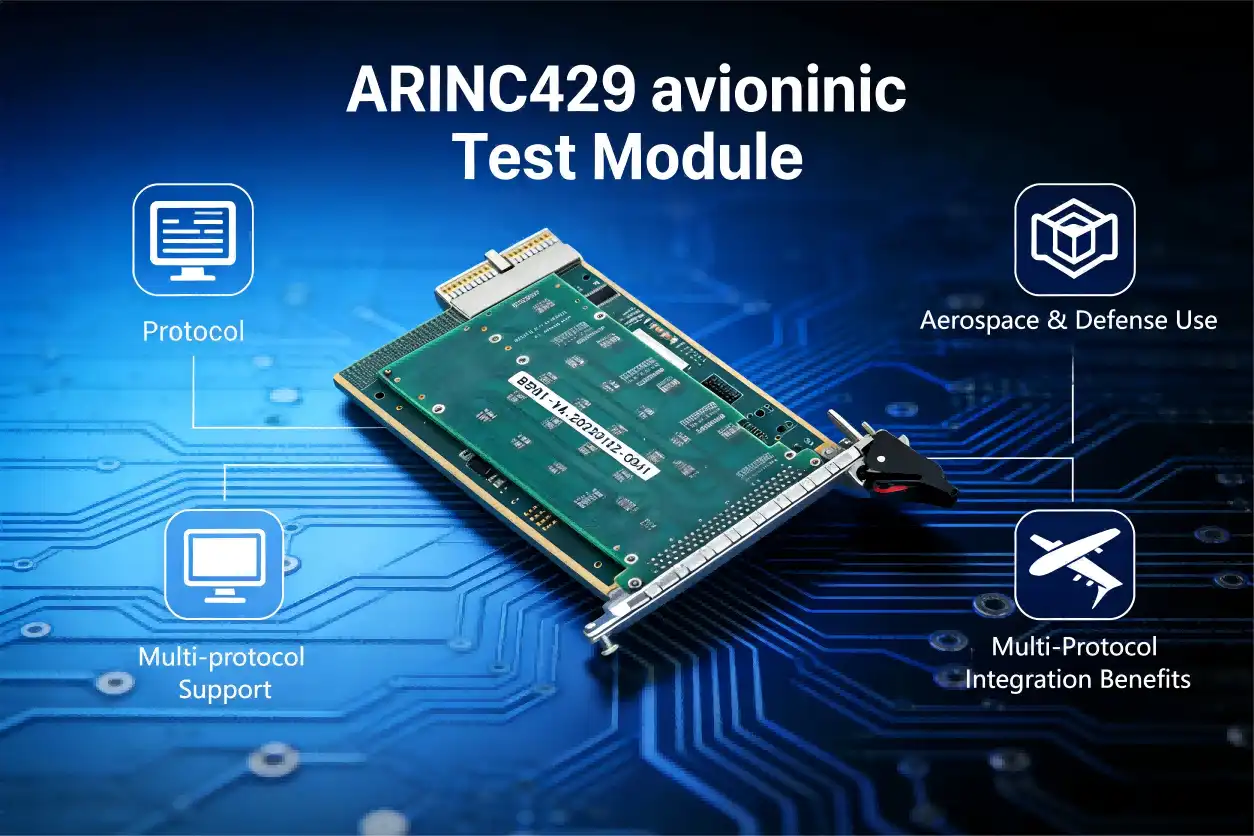
The ARINC429 avionics test module works with a number of important flight communication methods, but the main focus is on the ARINC429 standard. These advanced testing units can also work with complementary protocols like ARINC664, MIL-STD-1553, and CANbus. This makes them very useful for testing aircraft systems in a variety of ways. The ability to work with multiple protocols lets engineers test different communication standards together on a single platform. This cuts down on the cost of tools and speeds up testing for defense and aircraft uses.
Understanding ARINC429 Protocol and Its Role in Avionics Testing
The ARINC429 protocol is the foundation of digital transmission systems in both military and civilian airplanes around the world. The Aeronautical Radio Incorporated (ARINC) created this standard, which describes a point-to-point data transfer method that makes sure that different electronic elements, such as flight management systems, navigation equipment, and engine control units, can talk to each other reliably.
Data Transmission Architecture
The ARIC429 uses a one-way data bus to send 32-bit words at speeds of either 12.5 kbps or 100 bps. There is an 8-bit label that tells you the type of data, a 19-bit data field, a 2-bit Source/Destination Identifier (SDI), a 2-bit Sign/Status Matrix (SSM), and a single parity bit that lets you find errors. This organized method makes sure that the data is correct and allows accurate system checks during testing.
Safety and Interoperability Standards
Aviation safety rules say that all aircraft transmission systems must go through strict testing procedures. Following the ARINC429 protocol makes sure that equipment from different makers can talk to each other properly inside the same plane. This lowers the risks of merging and improves the general stability of the system. To make sure that the right protocol is being used across all possible aircraft setups, testing units must properly model real-world contact situations.
Protocols Supported by ARINC429 Test Modules and Their Working Principles
Modern ARINC429 test modules extend beyond single-protocol support to accommodate the complex communication requirements of contemporary avionics systems. These sophisticated testing platforms integrate multiple protocol capabilities within unified hardware and software environments.
Core ARINC429 Protocol Support
Basic support for the ARINC429 protocol includes full signal generation, reception, and analysis functions. Test modules take care of specific timing needs by keeping the exact 32-bit word structure and tracking signal quality, timing accuracy, and error detection in real time. Advanced units allow testing of multiple channels at the same time, which makes it possible to validate complicated aircraft networks that use multiple ARINC429 data buses at the same time.
Complementary Avionics Protocols
Modern test units allow ARINC429 avionics test module (Avionics Full-Duplex Switched Ethernet) in addition to ARINC429, which lets next-generation airplane systems send data quickly. Support for the MIL-STD-1553 protocol meets the needs of military flight and provides dual-redundant data bus testing capabilities that are necessary for defense uses. CANbus protocol integration lets you try engine control systems and other electronic parts that come from cars, which are becoming more and more popular in new airplane designs.
Multi-Protocol Integration Benefits
For system designers and research and development teams, being able to try various methods at the same time is very helpful. Engineers can test different cross-protocol communication scenarios, find possible interfering problems, and make sure the system works correctly in a range of operating situations. This thorough testing method cuts down on development time and improves system stability across a wide range of aircraft designs.
Key Features and Specifications of ARINC429 Avionics Test Modules
Technical standards spell out the limits of an ARINC429 aircraft test module's performance and the types of tasks it can be used for. When buying, workers know these important factors, and they can choose equipment that meets the needs of both the project and the business in the long run.
Input/Output Channel Capabilities
Professional-level test units usually have 8 to 32 bidirectional ARINC429 channels, which let you test complex aircraft networks in a wide range of ways. For transmitting or receiving, each channel can be set up separately, and its data rates and word types can be programmed. High-end modules separate channels electrically, which stops ground loops and makes sure readings are correct in places with a lot of electrical noise, like aircraft testing situations.
Signal Analysis and Timing Precision
Professional test units are different from basic tracking tools because they can analyze time very precisely. Advanced units offer time precision down to the nanosecond level, which lets you find small changes in signals that could mean the system is about to fail. Real-time waveform analysis gives you a lot of information about signal quality, rise/fall times, and voltage levels, which helps you make sure that the procedure is being followed correctly.
Software Integration and Automation
Modern test modules come with advanced software tools that let you create automatic test sequences, log data, and make detailed reports. Programming ports let you connect to common development platforms like LabVIEW, TestStand, and your own apps. Built-in protocol encoding gets rid of the need to analyze data by hand, which speeds up the approval and debugging processes in complex aircraft systems.
How to Choose the Right ARINC429 Test Module for Your Procurement Needs
To choose the best ARINC429 test equipment, you need to carefully think about your professional needs, your budget, and how the equipment will be used in the long run. Strategic choices about what to buy affect the success of projects and the general speed of testing across a wide range of aircraft development and support tasks.
Technical Compatibility Assessment
To start evaluating compatibility, you need to know about the current test infrastructure and the expected designs for aircraft systems. Think about how many ARINC429 avionics test module lines are needed, what other protocol support is needed, and how the new equipment will work with the old test equipment. Check to see if the software works with current development tools and data management systems to make sure that the process is integrated smoothly.
Cost-Benefit Analysis Framework
Here are the essential cost factors to evaluate during procurement:
- Initial equipment costs, including hardware, software licenses, and accessories
- Training expenses for technical staff and ongoing education requirements
- Maintenance costs covering calibration, repairs, and software updates
- Operational efficiency gains through automated testing and reduced manual processes
These financial considerations directly impact long-term project profitability and testing capability expansion. Comprehensive cost analysis should include potential savings from improved testing efficiency and reduced equipment downtime compared to current testing methods.
Supplier Evaluation Criteria
When evaluating a vendor, you should look at their professional help, guarantee terms, and the possibility of a long-term relationship. Check to see how quickly the seller responds to technical questions, whether they offer local support services, and their track record with other businesses like yours. Think about how financially stable the provider is and how committed they are to ongoing product development. This will make sure that you have help throughout the span of the equipment.
Industry-Leading ARINC429 Test Module Suppliers and Solutions
When it comes to ARINC429 test units, the competition includes well-known brands that offer a range of options for different market groups and application needs. By knowing what a provider can do, you can make smart purchasing choices that meet the needs of your company and meet technical requirements.
Established Market Leaders
Keysight Technologies offers full aircraft test options that work well with multiple protocols and can do advanced signal analysis. Their tools work well with the current test infrastructure and offer flexible channel setups to meet growth testing needs. National Instruments offers PXI-based flexible systems that focus on software freedom and the ability to create unique applications.
Specialized Avionics Suppliers
VIAVI Solutions specializes in testing aircraft and has units that are especially designed to work best with ARINC429 avionics test modules and other similar protocols. Honeywell has a lot of experience with aviation systems, so their testing methods are in line with what real flight systems need. Cobham focuses on military and defense applications, providing ruggedized systems that meet strict security and environmental standards.
Emerging Technology Providers
As new companies enter the market, they often bring new ideas to old testing problems and offer cheaper options to well-known solutions. Most of the time, these providers offer better customization options and quick customer service, meeting unique needs that bigger companies might not be able to meet as well.
Company Introduction and Product & Service Information
Since its start in 2014, Xi'an Mingxi Taida Information Technology Co., Ltd. (MXTD) has become a well-known and respected company that offers top-notch testing services for airplane electronics. We have been in this business for more than 12 years and are experts at making high-reliability PXIe frames, boards, and full testing systems that meet the strict needs of the aerospace, defense, and industrial automation industries.
Comprehensive Product Portfolio
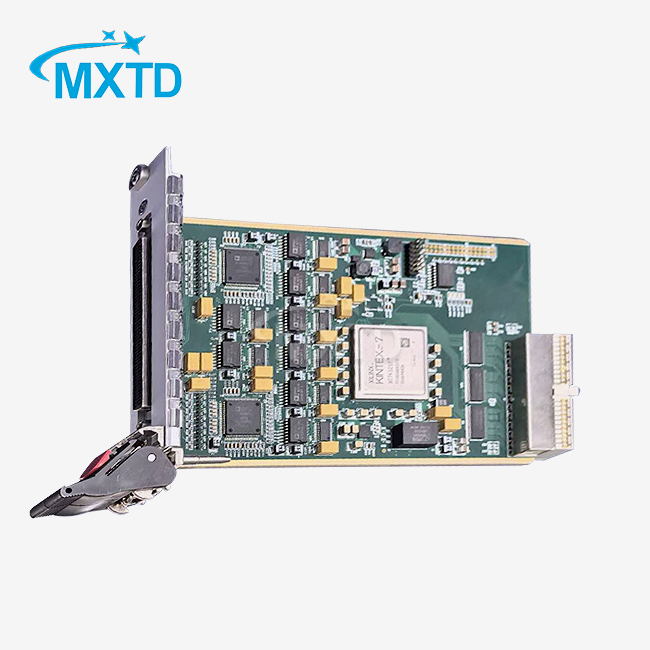
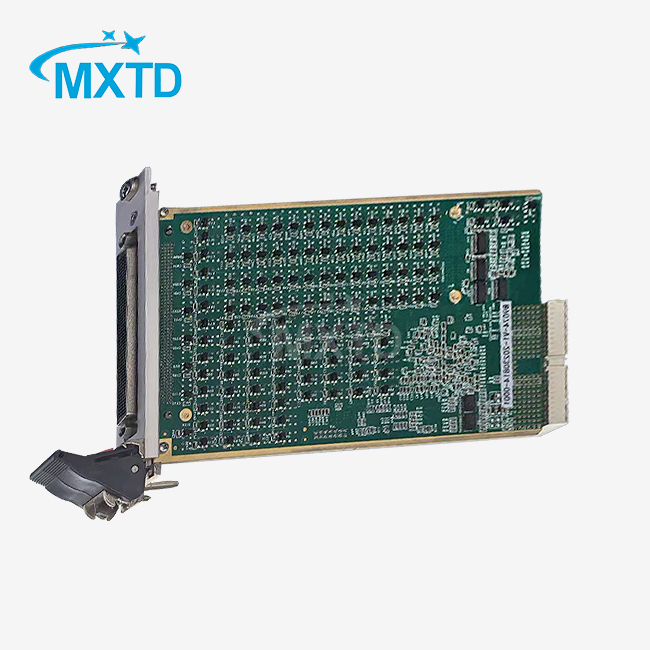
We offer both standard and special ARINC429 aircraft test modules that are made to work with a number of different protocols in a single testing setting. These units are more cost-effective than traditional options while still being fully compatible with industry-standard systems. We keep a ready supply of standard goods on hand to make sure that urgent project needs are met quickly.
Value-Added Service Excellence
MXTD offers full technical help, including free software updates, online video guidance, and quick responses to customer questions within one hour. Our skilled R&D team creates ODM/OEM solutions that are specific to the parameters needed. Meanwhile, our specialized shipping network makes sure that precision instruments are transported safely and securely, with protection against moisture, shock, and static.
Quality and Reliability Commitment
Our goods meet performance standards that are similar to those of National Instruments while being more cost-effective and allowing for more customization. We offer a one-year guarantee with flexible terms for certain situations. Our experienced after-sales service team is also available to help with any technology issues that may come up in a variety of testing scenarios.
Conclusion
ARINC429 avionics test module units handle a number of important protocols, such as the core ARINC429 standard and systems that work with it, such as ARINC664, MIL-STD-1553, and CANbus. This multi-protocol feature makes it possible to set full settings that are necessary for validating and fixing current aviation systems. To make a good buying decision, you need to carefully look at the technical requirements, the supplier's skills, and the need for long-term assistance. MXTD provides tried-and-true solutions that combine performance that meets industry standards with better flexibility and lower costs. These solutions are backed by a full range of professional services and helpful customer support.
FAQ
What protocols beyond ARINC429 do modern test modules support?
Contemporary ARINC429 test modules typically support ARINC664 (Avionics Full-Duplex Switched Ethernet), MIL-STD-1553 for military applications, and CANbus for engine control systems. This multi-protocol capability enables comprehensive testing of integrated avionics systems within single hardware platforms.
How do ARINC429 test modules ensure data integrity during testing?
ARINC429 test modules implement comprehensive error detection mechanisms, including parity bit validation, timing accuracy verification, and signal quality monitoring. Advanced modules provide real-time analysis of transmission parameters and automated error logging for detailed troubleshooting capabilities.
Are ARINC429 test modules suitable for both military and commercial aviation applications?
Yes, professional-grade ARINC429 test modules meet requirements for both commercial and military aviation sectors. Military applications may require additional environmental certifications and security features, which specialized suppliers can accommodate through customized configurations and enhanced ruggedization.
Partner with MXTD for Advanced ARINC429 Testing Solutions
MXTD delivers cutting-edge ARINC429 avionics test module solutions combining proven reliability with exceptional cost-effectiveness. Our experienced engineering team provides comprehensive technical consultation, rapid response times, and customized configurations tailored to your specific testing requirements. As a leading ARINC429 avionics test module supplier, we offer industry-standard performance with enhanced flexibility and competitive pricing. Contact our technical specialists at manager03@mxtdinfo.com to discuss your avionics testing needs and discover how our solutions can optimize your testing efficiency while reducing operational costs.
References
1. ARINC Specification 429: Digital Information Transfer System (DITS) - Part 1: Functional Description, Electrical Interface, Label Assignments, and Word Formats
2. Aviation Industry Standards for Digital Communication Protocols in Commercial and Military Aircraft Systems
3. Comparative Analysis of Avionics Communication Protocols: ARINC429, ARINC664, and MIL-STD-1553 Implementation Guidelines
4. Best Practices for Multi-Protocol Avionics Testing: Integration Strategies and Equipment Selection Criteria
5. Quality Assurance Requirements for Avionics Testing Equipment: Certification Standards and Performance Benchmarks
6. Economic Impact Analysis of Advanced Avionics Testing Solutions: Cost-Benefit Evaluation for Procurement Decision-Making



Our customers’ satisfaction speaks for our quality — contact us to experience the same reliable service.