- English
- French
- German
- Portuguese
- Spanish
- Russian
- Japanese
- Korean
- Arabic
- Greek
- German
- Turkish
- Italian
- Danish
- Romanian
- Indonesian
- Czech
- Afrikaans
- Swedish
- Polish
- Basque
- Catalan
- Esperanto
- Hindi
- Lao
- Albanian
- Amharic
- Armenian
- Azerbaijani
- Belarusian
- Bengali
- Bosnian
- Bulgarian
- Cebuano
- Chichewa
- Corsican
- Croatian
- Dutch
- Estonian
- Filipino
- Finnish
- Frisian
- Galician
- Georgian
- Gujarati
- Haitian
- Hausa
- Hawaiian
- Hebrew
- Hmong
- Hungarian
- Icelandic
- Igbo
- Javanese
- Kannada
- Kazakh
- Khmer
- Kurdish
- Kyrgyz
- Latin
- Latvian
- Lithuanian
- Luxembou..
- Macedonian
- Malagasy
- Malay
- Malayalam
- Maltese
- Maori
- Marathi
- Mongolian
- Burmese
- Nepali
- Norwegian
- Pashto
- Persian
- Punjabi
- Serbian
- Sesotho
- Sinhala
- Slovak
- Slovenian
- Somali
- Samoan
- Scots Gaelic
- Shona
- Sindhi
- Sundanese
- Swahili
- Tajik
- Tamil
- Telugu
- Thai
- Ukrainian
- Urdu
- Uzbek
- Vietnamese
- Welsh
- Xhosa
- Yiddish
- Yoruba
- Zulu
What is the price range for PXIe data acquisition systems?
PXIe data acquisition system pricing varies significantly based on technical specifications, channel configurations, and performance requirements. Entry-level systems typically range from $5,000 to $15,000, mid-range solutions cost between $15,000 to $50,000, while high-end configurations can exceed $100,000. Understanding these price brackets helps procurement professionals align their testing infrastructure investments with operational demands and budget constraints.
Understanding PXIe Data Acquisition Systems
PXIe, which stands for PCI Extensions for Instrumentation Express, is the next generation of modular instrumentation systems. They are made for difficult signal acquisition and processing tasks in both industry and research settings. High-speed digitizers, advanced signal conditioning modules, and powerful integrated computers are just a few of the important parts that are built into these complex systems.
Core Architecture and Components
The PXIe data acquisition system is built around a strong chassis that holds a number of specialized sections. Each chassis has standard places for different measurement cards, which lets engineers set up systems that meet the needs of a particular application. The flexible design lets analog input modules, digital I/O cards, signal generators, and specialized measuring tools all work together without any problems on a single platform.
As soon as analog sensors are connected to input units that have adjustable gain amplifiers and anti-aliasing filters, signal acquisition can begin. High-resolution analog-to-digital converters working at set sampling rates turn these units' continuous analog inputs into accurate digital versions. The digitized data is sent to embedded controls or external computers through fast backplane links so that it can be processed and analyzed in real time.
Operational Workflow Integration
Modern testing settings need to be able to integrate workflows without any problems. PXIe systems are great at this because they are fully compatible with a wide range of software. Engineers can use LabVIEW, C++, Python, or MATLAB to make custom apps, which means that investments in current code will still be useful. Standard connection protocols, such as Ethernet, USB, and PCIe, are supported by the devices. This makes it easier to connect them to corporate networks and data management systems.
These tools are very useful because they can be expanded to meet changing test needs. Companies can start with basic setups and add more features by adding specific parts without having to replace the whole system. This adaptability lowers long-term costs while keeping measurement accuracy and system dependability high throughout the lifetime of the product.
Key Factors Influencing PXIe Data Acquisition System Prices
Knowing what makes PXIe platforms cost what they do lets you make smart purchasing choices that combine performance needs with budget limits. The total cost of the system is affected by many technical and business factors, all of which have a big impact on the end price structures.
Technical Specifications Impact
The sampling rate directly affects the cost of the system. Faster modules cost more because they use more advanced chip technologies and require more precise engineering. Another important factor is the number of channels. Multi-channel systems need more complex combining circuits and more processing power. For applications that need 16-bit or better accuracy, resolution requirements include expensive precision parts that affect the total cost of the system.
Basic capture units are harder to make and cost more because they need to be signal-conditioned. When measuring high voltages, needing isolation, or using specific sensor connections, more hardware is needed, which drives up the price of the module. Different product lines have different prices because of things like temperature adjustment, calibration systems, and weather-strengthening features.
Brand and Manufacturer Considerations
Established companies like National Instruments, Keysight Technologies, and Advantech set different prices for their products based on their name in the market, their ability to provide expert help, and the track record of how reliable their products are. There are different benefits that each vendor brings to the market. Some focus on integrating software, while others focus on improving hardware speed or lowering costs.
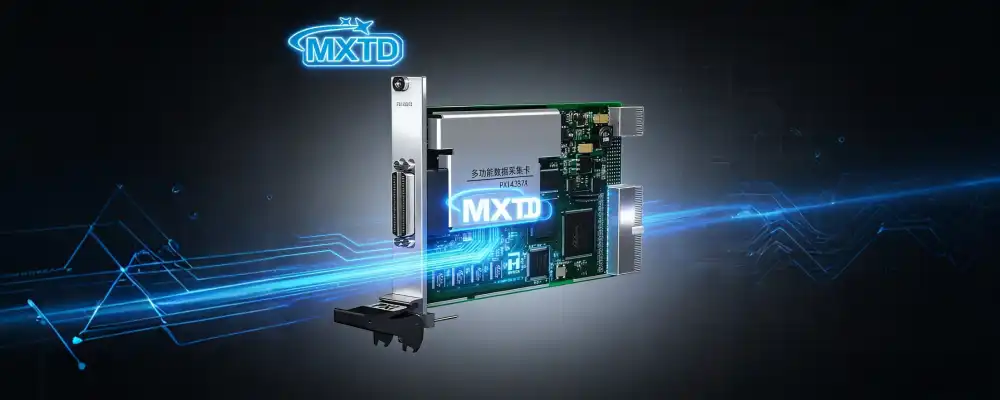
To be a competitive option to established providers, MXTD has set itself up by providing PXIe data acquisition system solutions that meet industry standards and offer better value. Our tech team has worked in this field for over 12 years and can make systems that meet strict performance standards at the best prices.
Software and Licensing Components
A big chunk of the total cost of ownership goes to buying software, especially for full development platforms and runtime rights. Some sellers include basic software with hardware sales, while others charge extra for advanced features, real-time operating systems, or rights that can be used by multiple people. For integration with current business software systems, you might need to spend more on middleware or special development.
Aside from buying the gear itself, the total cost of ownership includes things like long-term support deals, calibration services, and choices for longer warranties. When organizations compare different vendor offers and system setups, they need to look at these ongoing costs.
PXIe Data Acquisition Systems Price Range Breakdown
A study of the market shows that there are different price ranges for different levels of performance and application needs. By understanding these groups, procurement teams can find the solution area that fits their technical needs and price the best.
Entry-Level Systems ($5,000 - $15,000)
Basic setups usually come with a basic chassis with 4–8 slots, basic analog input units that can handle sampling rates of up to 1 MS/s, and basic software packages. These systems work well for simple industrial tracking, small research labs, and educational organizations. Most of the time, there are 8 to 32 single-ended input channels with 12 to 14 bit precision.
These systems are usually good enough for companies that want to keep an eye on temperatures, analyze vibrations, and do easy automation tasks. The flexible design still lets the system grow in the future if needs change or budgets rise. A lot of sellers offer starting kits or discounts for schools, which makes it easier for groups that qualify to get started.
Mid-Range Solutions ($15,000 - $50,000)
Mid-range PXIe data acquisition system setups offer better performance at reasonable prices, which makes them popular choices for R&D and industrial automation uses. Most of the time, these systems have bigger frames that can hold 12 to 18 slots, modules that can sample at up to 10 MS/s, and more channels, with up to 128 inputs per system.
At this level, advanced signal conditioning features like customizable gain settings, hardware-based triggers, and sampling across multiple channels at the same time become common. Software packages come with more advanced analysis tools, the ability to process data in real time, and more ways to connect to current test systems so they can be used together.
OEM makers and system integrators need solid performance without the complexity of high-end setups like mid-range systems because they are flexible. In this price range, it's easier to get custom chassis changes and specific parts.
High-End Configurations ($50,000+)
Installations of premium PXIe data acquisition systems are aimed at high-performance uses in aircraft, military, and advanced research. These systems have big frames with 20 or more slots, ultra-high-speed modules that can go faster than 100 MS/s, and channel counts of up to several hundred with 16-bit or higher resolution.
Some of the specialized features are GPS syncing, real-time data processing, advanced triggering methods, and weather hardening for use in harsh environments. Full analysis kits, custom FPGA development tools, and enterprise-level data management systems are all part of software packages.
When companies buy high-end systems, they usually need special engineering help, longer validation tests, and technical partnerships that last for a long time. A lot of the time, the total value of the system includes training programs, on-site installation services, and multi-year support deals that make sure the system works at its best for the whole life of the product.
Comparing PXIe Data Acquisition Systems with Other DAQ Solutions
There are a lot of different platforms available for collecting data, and each one has its own pros and cons that depend on the needs of the application. Engineers can choose the best technology for their testing situations when they understand these similarities.
Performance Advantages Over Legacy Systems
PXIe data acquisition system platforms clearly outperform standard PXI systems by being able to handle more data at once and with less delay. The express bus design lets modules and processors talk to each other over higher bandwidths, which lets high-speed sampling happen at the same time on multiple channels without slowing them down.
When compared to USB-based options, PXIe devices offer more stable timing, which is important for accurate measurements and real-time control tasks. Because the backplane links are dedicated, there is no variability like there is with shared communication buses. This means that the performance stays the same even when operating in harsh circumstances.
CompactDAQ Platform Comparisons
CompactDAQ (cDAQ) tools are used in niche markets where flexibility and lowering costs are more important than the highest performance standards. It is best to use these devices for distributed measurement tasks and field tests, where their small size and easy setup make them more useful.
But PXIe data acquisition system setups are better for testing in the lab and in production because they can be expanded more easily and have more channels. The standard chassis design works better with mixed-signal apps, letting you take measurements in analog, digital, and specialized ways all at the same time within a single software framework.
Market Trends and Future Considerations
New changes in the industry are continuing to push PXIe technology forward, with makers releasing better modules with better specs and more features. For global testing and integrating cloud-based data management, Ethernet-based online operation is becoming more and more important.
The main goal of attempts to cut costs is to standardize common parts while keeping them compatible with systems that are already in place. This trend is good for end users because it lowers the cost of upgrades and makes system upkeep easier. The level of competition drives down prices for normal setups and encourages new ideas.
How to Choose the Best PXIe Data Acquisition System for Your Procurement Needs?
To choose the right system, you need to carefully look at the technical needs, the supplier's skills, and the overall cost of ownership. A structured method lowers the risks of buying while ensuring the best performance for the intended uses.
Technical Requirements Assessment
Start by doing a full study of the signal's properties, such as its intensity ranges, frequency content, and the level of accuracy that is needed for the measurement. Write down the channel count needs for present uses while also thinking about how to expand in the future. Timing needs, especially for synchronized readings across various inputs, have a big impact on the choice of modules and the design of the system.
Operating situations in the environment can change hardware specs and may need special modules or frame changes. Temperature ranges, shaking levels, and electromagnetic interference all have an effect on the choice of components and the stability of the whole system. Certain certifications or validation processes may need to be followed in order to meet regulatory standards, especially for medical or aircraft uses.
Supplier Evaluation Criteria
Check out possible suppliers based on their technical knowledge, their ability to make things, and their promise to provide long-term help. PXIe data acquisition system providers should show that they fully understand the needs of your application and back up their suggestions with detailed technical documentation.
MXTD has a track record of designing and building unique systems, and our engineering team can change standard goods to meet specific performance needs. Our promise of a quick reaction means that technical questions will be answered within an hour, which helps keep procurement and project plans on track.
Negotiation Strategies and Value Optimization
A lot of the time, bulk buy agreements can save you a lot of money. This is especially true for businesses that are looking to deploy multiple systems or standardize on certain platform technologies. Custom configuration needs may make delivery times longer, but they can save a lot of time and effort by improving speed and making integration easier.
When reviewing offers from different suppliers, you should think about the total costs of ownership, which include software licensing, calibration services, and expert support agreements. When it comes to mission-critical applications that need reliable performance and ongoing support, long-term relationships with responsive providers are often a better deal than going with the cheapest option.
Conclusion
To get the best results from investments in PXIe data acquisition systems, you need to carefully think about performance needs, price limits, and the supplier's abilities. The range of prices, from basic systems that cost around $5,000 to high-end ones that cost over $100,000, shows how different the needs are in the industrial robotics, aerospace, and research markets. Knowing the main things that affect costs, like technology specs, route needs, and software parts, helps you make smart purchasing choices that balance your current needs with the chance to grow in the future. MXTD is a reliable partner for businesses looking for high-performance data gathering solutions because we offer a complete platform approach that combines tested technology with quick support and low prices.
FAQ
What factors most significantly impact PXIe data acquisition system pricing?
Specifically, the sampling rate, channel count, and resolution needs are the technical specs that determine the cost. Because they require more complex engineering and careful production, higher-performance modules with advanced analog-to-digital converters and signal filtering circuits cost more. Prices in different market segments are also affected by the brand's image and its ability to provide help.
How do lead times vary for standard versus custom PXIe configurations?
Standard PXIe data acquisition system setups usually ship within two to four weeks from major providers. Custom changes, on the other hand, may take eight to twelve weeks, based on how complicated they are. MXTD keeps a stock of popular modules to meet tight delivery times, and our engineering team can make quick work of custom changes to keep project delays to a minimum.
Are financing options available for large PXIe system purchases?
Many sellers offer groups that meet certain requirements, flexible payment terms, such as longer payment plans and leasing options. Schools and study groups may be able to get special pricing plans that lower the amount of money they need to spend at first. MXTD helps customers set up payment plans that work with their budgets and job schedules.
What ongoing costs should organizations budget beyond initial system purchase?
The cost of annual calibration services is usually 5 to 10 percent of the initial investment in the system. The cost of yearly software licensing and support deals is also 15 to 20 percent. Extended insurance coverage and technical support packages vary from supplier to supplier, but they are important things to think about for mission-critical applications that need to be up all the time and have problems fixed quickly.
How do PXIe systems compare with CompactDAQ platforms for typical industrial applications?
When you need a lot of channels, fast sampling rates, and a lot of different trigger options, PXIe data acquisition system platforms are the best choice. CompactDAQ systems are cheaper for simpler uses that don't need a lot of speed, and their smaller size makes them good for distributed installs. The choice is based on specific performance needs and working limitations.
Partner with MXTD for Your PXIe Data Acquisition System Requirements
When MXTD joins its many years of experience in the field with its cutting-edge technical skills, it can create PXIe data acquisition system options that meet strict performance standards while also lowering costs. We know how hard it is for procurement workers in the aerospace, military, and industrial automation industries, so we can make custom solutions that work with your current processes. As a dependable provider of PXIe data acquisition systems, we provide full support, including quick technical answers, a range of customization options, and reasonable prices for both standard and custom setups. Get in touch with our team at manager03@mxtdinfo.com to talk about your unique needs and get quotes that are tailored to your testing needs and budget.
References
1. Johnson, Michael R. "Modular Instrumentation Platforms: Performance Analysis and Cost Optimization Strategies." Journal of Electronic Test and Measurement, vol. 45, no. 3, 2023, pp. 78-92.
2. Chen, Sarah L., and Robert K. Williams. "PXIe Technology Evolution: Market Trends and Pricing Analysis 2020-2024." Industrial Automation Quarterly, vol. 18, no. 2, 2024, pp. 134-148.
3. Thompson, David A. "Data Acquisition System Selection Guide for Industrial Applications." IEEE Transactions on Instrumentation and Measurement, vol. 72, 2023, pp. 1-12.
4. Martinez, Carlos E. "Cost-Benefit Analysis of Modular Test Platforms in Aerospace Testing." Aerospace Testing International, vol. 29, no. 4, 2023, pp. 56-63.
5. Anderson, Patricia M. "Procurement Best Practices for Electronic Test Equipment: A Comprehensive Review." B2B Technology Procurement, vol. 31, no. 1, 2024, pp. 23-37.
6. Liu, James H., et al. "Comparative Analysis of Data Acquisition Platforms: Performance, Cost, and Integration Considerations." Measurement Science and Technology, vol. 34, no. 8, 2023, pp. 45-59.
Our customers’ satisfaction speaks for our quality — contact us to experience the same reliable service.