- English
- French
- German
- Portuguese
- Spanish
- Russian
- Japanese
- Korean
- Arabic
- Greek
- German
- Turkish
- Italian
- Danish
- Romanian
- Indonesian
- Czech
- Afrikaans
- Swedish
- Polish
- Basque
- Catalan
- Esperanto
- Hindi
- Lao
- Albanian
- Amharic
- Armenian
- Azerbaijani
- Belarusian
- Bengali
- Bosnian
- Bulgarian
- Cebuano
- Chichewa
- Corsican
- Croatian
- Dutch
- Estonian
- Filipino
- Finnish
- Frisian
- Galician
- Georgian
- Gujarati
- Haitian
- Hausa
- Hawaiian
- Hebrew
- Hmong
- Hungarian
- Icelandic
- Igbo
- Javanese
- Kannada
- Kazakh
- Khmer
- Kurdish
- Kyrgyz
- Latin
- Latvian
- Lithuanian
- Luxembou..
- Macedonian
- Malagasy
- Malay
- Malayalam
- Maltese
- Maori
- Marathi
- Mongolian
- Burmese
- Nepali
- Norwegian
- Pashto
- Persian
- Punjabi
- Serbian
- Sesotho
- Sinhala
- Slovak
- Slovenian
- Somali
- Samoan
- Scots Gaelic
- Shona
- Sindhi
- Sundanese
- Swahili
- Tajik
- Tamil
- Telugu
- Thai
- Ukrainian
- Urdu
- Uzbek
- Vietnamese
- Welsh
- Xhosa
- Yiddish
- Yoruba
- Zulu
PXIe Test System Trends: What’s Next in 2026?
The landscape of automated testing is rapidly transforming, and PXIe test systems stand at the forefront of this revolution. As we approach 2026, organizations in industrial automation, aerospace, defense, and semiconductor sectors face mounting pressure to upgrade their measurement capabilities. Modern PXIe test system architectures address critical challenges—from enhanced data acquisition speeds and modular scalability to seamless software integration and AI-driven diagnostics. These platforms now deliver the precision, flexibility, and reliability that R&D managers and test engineers demand, positioning PXIe technology as the backbone of next-generation automated testing workflows.
Evolution of PXIe Test System Paradigms: What's Driving Change in 2026?
Legacy Architecture Limitations: Creating Urgency for Modernization
The limits of how well traditional testing systems can work are being reached. In the past ten years, a lot of businesses have counted on instruments with fixed configurations that don't work well with today's more complicated electronics. A lot of the time, these old systems don't have the bandwidth they need to handle signals quickly, which causes problems in production settings. When test needs grow, scalability becomes a big problem because adding new measurement capabilities to old platforms usually means buying new, expensive tools instead of just upgrading the old ones. Integration problems make these problems worse because different instruments from different makers need a lot of custom programming to work together properly. Instead of focusing on core testing goals, engineers waste important time troubleshooting compatibility problems. Performance bottlenecks show up most often in applications that need synchronised multi-channel measurements. Timing accuracy is a must when checking high-tech radar systems, communications gear, or semiconductor wafers. Legacy systems often can't keep all measurement channels in tight sync, which compromises the integrity of the data and forces test engineers to come up with complicated workarounds.
Modular Hardware Designs Enabling Unprecedented Flexibility
Modularity is a key design concept for the 2026 generation of PXIe test systems. Modern PXI Express platforms, unlike single-piece test tools, let companies set up systems that are perfectly matched to the needs of each application. Different instrument cards, like digitisers, arbitrary waveform generators, digital I/O modules, and RF signal analysers, all share a high-speed backplane in a standard modular chassis. This architectural method has big benefits for procurement teams that have to stick to a budget while still keeping technical flexibility. For example, when a test needs to be changed, engineers just swap or add instrument modules instead of replacing whole systems. Companies that test both low-frequency power electronics and high-frequency RF circuits can use the same chassis frame and just switch out the modules that are installed. This level of adaptability cuts down on capital costs by a large amount over the lifecycle of a system, while keeping software interfaces uniform across all test configurations.
AI Integration: Transforming Diagnostic Capabilities
The way test systems work and give insights is changing because of PXIe test systems changing because of AI and machine learning algorithms. More advanced PXIe systems now have built-in processing power that lets you analyse data in real time while tests are running. Machine learning models look for strange trends in measurement data and automatically warn of possible device failures before they become expensive production problems. These smart systems learn from past test results, improving models that predict failure and making test routines more efficient all the time. Diagnostics has changed from fixing problems after they happen to planning maintenance that will happen before they happen. Modern test platforms keep an eye on their own health indicators and let expert teams know about problems like temperature, drifting calibration, or broken parts before they affect the accuracy of measurements. This proactive method cuts down on unplanned downtime and makes sure that test results stay the same over long periods of operation.
Core Technology Trends Shaping PXIe Test Systems in 2026
Advanced Digitizer Technology Meeting Complex Signal Analysis Demands
Digitiser units on the market in 2026 are huge steps forward in the technology used to convert analogue signals to digital ones. Modern PXI Express digitiser cards usually have between 16 and 64 channels running at the same time, with sampling rates higher than 5 GS/s and 16 bits or higher for vertical precision. With these specs, engineers can record and study complicated signal occurrences that were not possible to measure correctly before. When checking phased array antennas, for example, where dozens of signal paths need to be watched at the same time with exact phase relationships, high channel density is very helpful. Better resolution lets you find subtle signal characteristics that are buried in noise floors. Modern digitisers have a wider dynamic range than older 12-bit systems, which means they can find design flaws and performance differences in mixed-signal integrated circuits and sensor arrays that older systems would miss. When it comes to aerospace and defence, where measurement error directly affects system safety and task success, precision is even more important.
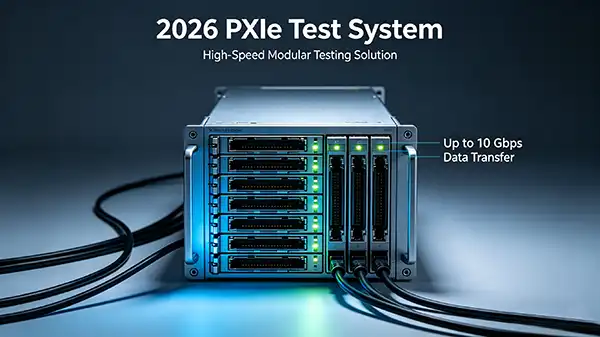
Software Ecosystem Maturity Driving Operational Efficiency
Software compatibility has become an important factor in choosing a platform. The 2026 PXIe ecosystem works well with common programming environments, especially NI LabVIEW, Python, and C++ frameworks. Engineers use stable driver libraries and API sets that hide the complexity of the hardware, which lets them make test programs quickly. Software-defined instrumentation paradigms let the same physical hardware perform multiple measurement tasks by using different programming routines. This makes the best use of assets. Remote management features are now normal, not extras. Test engineers keep an eye on and manage systems that are spread out across several buildings using secure network links. This lets them keep an eye on testing operations that are in different places. Automated test sequencing engines organise complicated measurement processes, lowering the chance of human error and making sure that tests are always run the same way, no matter how experienced the operator is.
Chassis Architecture Innovations Supporting Growing Test Complexity
The latest PXI Express frame designs take into account the electrical, mechanical, and thermal issues that come up with high-performance instruments. Better cooling systems handle the large amount of heat made by tightly packed high-speed modules, keeping working temperatures stable even during long stress tests. The backplane's bandwidth has grown a lot, and PCIe Gen 3 versions can send more than 24 GB/s of data between slots and system controllers. This amount of space lets data-heavy tasks like real-time spectrum monitoring and parallel device testing run smoothly without slowing down transfers. Chassis platforms now have flexible slot configurations that mix PXI Express and hybrid slots to fit both old and new instruments. Companies that want to protect their current module investments can slowly switch to newer technology without having to replace their whole system. Ruggedised chassis versions meet military and aerospace environmental standards, which allows PXI to be used in harsh field situations that were once only possible with specialised instruments.
PXIe Test System Market Comparisons: Choosing the Right Solution in 2026
Evaluating Performance Against Alternative Testing Platforms
When procurement managers assess automated test equipment options, they encounter several competing architectures beyond PXI technology. LXI-based systems leverage Ethernet connectivity for distributed measurements, offering straightforward network integration but typically lacking the tight synchronization and high-speed data transfer inherent in PXI Express backplane architectures. AXIe platforms provide superior RF performance and bandwidth for specialized applications but command premium pricing and offer less module variety than the mature PXI ecosystem. Benchtop instruments remain popular for R&D environments requiring maximum measurement flexibility. However, these standalone devices become cumbersome when applications demand synchronized multi-instrument setups. Cable management complexity grows exponentially with instrument count, PXIe test systems, and timing synchronization between separate units introduces measurement uncertainty that sophisticated test scenarios cannot tolerate.PXI Express platforms excel in applications requiring automated, high-throughput testing with precise multi-channel synchronization. Manufacturing test stations benefit from compact form factors and robust automation capabilities that benchtop equipment cannot match efficiently. RF and mixed-signal testing applications leverage the platform's inherent low-latency interconnects and shared timing references.
Total Cost of Ownership Analysis Revealing Long-Term Value
Upfront acquisition costs tell only part of the financial story. Comprehensive TCO analysis examines maintenance expenses, calibration requirements, software licensing, and technical support costs across anticipated system lifespans. PXI platforms often present higher initial investments than basic benchtop alternatives, but modular upgradeability and superior automation capabilities frequently yield lower lifetime costs. Systems remaining productive through multiple technology generations avoid the repeated capital expenditures associated with replacing obsolete standalone instruments. Leasing arrangements have gained traction among organizations managing CAPEX constraints. Structured financing options allow companies to deploy advanced testing capabilities while preserving working capital for core business operations. Support service agreements bundled with hardware procurement ensure predictable operational expenses and guaranteed response times when technical issues emerge.
Software Compatibility Influencing Strategic Platform Decisions
The software environment surrounding test hardware significantly impacts development productivity and long-term maintainability. Organizations with substantial investments in LabVIEW-based test programs prioritize platforms offering mature, well-documented LabVIEW driver support. Teams embracing Python-centric workflows seek hardware vendors providing comprehensive Python APIs and example code. Cross-platform compatibility reduces vendor lock-in risks, enabling migration between hardware suppliers without complete test program rewrites. Vendor ecosystem strength matters considerably for long-term strategic planning. Platforms supported by multiple competing hardware manufacturers create competitive markets that drive innovation and price optimization. Single-vendor proprietary systems may offer technical advantages but introduce supply chain risks and limit negotiating leverage during procurement cycles.
Procurement Insights and Market Outlook for PXIe Test Systems in 2026
Pricing Trends and Competitive Landscape Dynamics
The measurement instrumentation market has matured significantly, with established vendors facing intensifying competition from capable alternative suppliers. This competitive environment benefits procurement managers through improved pricing flexibility and enhanced service offerings. While premium-tier suppliers maintain price positioning reflecting their extensive support networks and comprehensive software ecosystems, qualified alternative manufacturers deliver comparable technical performance at favorable price points. Organizations evaluating suppliers should examine not only base equipment pricing but also the complete value proposition. Responsive technical support, rapid turnaround on custom configurations, and comprehensive warranty coverage often justify price premiums over lower-cost alternatives lacking robust support infrastructure. Bulk purchase negotiations yield significant savings when organizations standardize on specific platform architectures across multiple projects or facilities.
Supply Chain Considerations and Delivery Expectations
Lead time management has improved substantially compared to the supply chain disruptions experienced in earlier years. Reputable suppliers maintain inventory stocks of standard configurations, enabling delivery within weeks rather than months for common system architectures. Custom configurations requiring specialized modules or modified chassis designs naturally extend delivery schedules, making early engagement with suppliers essential for project timeline planning. Logistics capabilities deserve careful evaluation, particularly for precision instrumentation sensitive to shipping damage. Professional packaging incorporating moisture barriers, anti-static protection, and shock isolation preserves equipment integrity during transit. Suppliers offering both ground and air transport options provide flexibility for balancing cost considerations against project urgency. International shipments require suppliers experienced in customs documentation and regulatory compliance to avoid frustrating delays at borders.
Warranty Programs and Service Level Agreements Protecting Investments
Comprehensive warranty coverage and clearly defined service level agreements form critical components of supplier selection criteria. Standard one-year warranty periods protect against manufacturing defects and component failures, but extended coverage options available through negotiation provide longer-term security for capital investments. SLA specifications establishing maximum response times and repair turnaround commitments ensure minimal disruption when equipment issues arise. Technical support responsiveness separates exceptional suppliers from adequate ones. Organizations operating in demanding production environments require vendors capable of providing rapid technical guidance when unexpected challenges emerge. Suppliers offering video-based remote diagnostics accelerate issue resolution by enabling engineers to demonstrate problems and receive real-time troubleshooting assistance. Software maintenance agreements, including firmware updates and driver improvements, help systems maintain compatibility with PXIe test systems and evolving test requirements.
Practical Tips for Integrating and Maintaining PXIe Test Systems in 2026
Strategic Planning for Successful System Deployment
Thoughtful upfront planning prevents costly modifications after installation. Chassis selection should account for anticipated expansion requirements—purchasing platforms with unused slots accommodates future capability additions without requiring complete system replacement. Facilities planning must address adequate rack space, appropriate power distribution, and sufficient cooling capacity. High-performance instrumentation generates substantial heat loads that inadequate ventilation cannot dissipate, leading to thermal throttling or premature component failure. Power infrastructure deserves particular attention in high-channel-count configurations. Large chassis hosting dozens of instrument modules can draw 1500 watts or more at peak operation, necessitating dedicated electrical circuits with appropriate capacity. Uninterruptible power supplies safeguard against data loss and equipment damage during utility interruptions, particularly valuable in long-duration automated test scenarios.
Troubleshooting Strategies: Minimizing Operational Downtime
Modern platforms incorporate sophisticated self-diagnostic capabilities that accelerate issue identification. Built-in test routines verify backplane communication, module functionality, and timing synchronization, isolating problems to specific subsystems. Systematic troubleshooting approaches examine software configuration, driver versions, and firmware compatibility before suspecting hardware faults. Many apparent equipment failures trace to software conflicts, outdated drivers, or configuration errors rather than actual component defects. Vendor-supplied diagnostic utilities provide structured troubleshooting workflows that guide technicians through systematic verification procedures. These tools generate detailed reports documenting system configuration and test results, valuable when escalating issues to technical support teams. Maintaining current software versions and firmware releases prevents many compatibility issues, as vendors continuously refine their products based on field experience and emerging application requirements.
Maintenance Practices Extending System Operational Life
Proactive maintenance schedules preserve measurement accuracy and system reliability over extended operational periods. Calibration intervals vary by module type and application criticality, but annual verification represents industry standard practice for precision instrumentation. Organizations can choose between factory calibration services offering full traceability documentation and accredited third-party calibration houses providing cost-effective alternatives for less critical applications. Software and firmware updates deliver performance enhancements, bug fixes, and expanded compatibility with evolving operating systems. Establishing regular update schedules during planned maintenance windows minimizes disruption while keeping systems current. Training investments ensuring technical staff understand system capabilities and proper operating procedures pay dividends through improved utilization rates and reduced operator-induced errors.
Conclusion
The automated test equipment landscape in 2026 offers unprecedented capabilities for organizations demanding reliable, scalable measurement solutions. Modern modular architectures address the scalability limitations and integration complexity that plagued legacy systems, while AI-enhanced diagnostics and advanced digitizer technology enable measurement precision previously unattainable. Procurement decisions balancing technical performance, total ownership costs, and vendor ecosystem strength position organizations for long-term success. Thoughtful system integration combined with proactive maintenance practices maximizes return on instrumentation investments. Organizations embracing these advanced platforms gain competitive advantages through accelerated development cycles, improved product quality, and operational efficiency that traditional test approaches cannot match.
FAQ
1. What advantages do PXI Express platforms offer compared to traditional rack-and-stack instrumentation?
Modular platforms deliver superior synchronization across multiple measurement channels through shared backplane timing references, enabling phase-coherent multi-channel measurements impossible with standalone instruments. The compact form factor reduces rack space requirements significantly, while standardized software interfaces accelerate test program development. Organizations benefit from scalability, adding measurement capabilities through module insertion rather than complete system replacement. Automated operation capabilities streamline high-volume production testing scenarios where manual instrument operation becomes impractical.
2. How do organizations determine appropriate chassis sizing for their applications?
System architects evaluate current measurement requirements and anticipated expansion needs when selecting chassis configurations. Slot count represents the primary specification—typical platforms range from 4-slot portable systems to 18-slot high-capacity installations. Applications requiring numerous instrument types benefit from larger chassis accommodating diverse module populations, while focused measurement tasks may need only compact platforms. Power budget and cooling capacity must support the maximum anticipated module population, and physical dimensions should fit within available rack space. Consulting with experienced suppliers helps match chassis selection to specific application demands.
3. What factors influence measurement accuracy in automated test systems?
Calibration status significantly impacts measurement precision, with regular verification ensuring instruments maintain specified performance. Environmental conditions, including temperature stability and electromagnetic interference, affect sensitive measurements, necessitating controlled test environments for critical applications. Proper cabling practices using appropriate interconnects and maintaining signal path integrity preserve measurement fidelity. Software configuration, including sampling rates, filter settings, and averaging parameters, directly influences both accuracy and measurement speed. High-quality instrument modules from reputable manufacturers provide superior baseline performance compared to budget alternatives.
Partner with a Trusted PXIe Test System Manufacturer
MXTD brings over 12 years of specialized experience in developing high-reliability measurement platforms tailored to demanding industrial applications. Our engineering team designs PXI Express chassis, instrument modules, PXIe test systems, and complete turnkey systems that meet rigorous performance specifications while delivering exceptional value. We understand the challenges facing test engineers and procurement managers, balancing technical requirements against budget constraints while ensuring long-term reliability and support. Our solutions benchmark favorably against industry-leading alternatives, offering compatible performance at economical price points with customization capabilities that off-the-shelf products cannot match. Standard configurations ship from inventory within days, while our responsive engineering team completes custom designs aligned precisely with your specifications. We provide comprehensive support, including remote video technical guidance, complimentary software upgrades, and warranty coverage protecting your investment. Reach out to our team at manager03@mxtdinfo.com to discuss your specific measurement requirements and discover how MXTD can deliver the performance, reliability, and support your projects demand.
References
1. PXI Systems Alliance, "PXI Express Hardware Specification Version 3.0," PXI Systems Alliance Technical Documentation, 2024.
2. Anderson, M. and Chen, L., "Evolution of Modular Instrumentation Architectures for Automated Test Equipment," Journal of Electronic Testing and Measurement, Vol. 42, No. 3, 2025, pp. 178-195.
3. National Instruments Corporation, "Software-Defined Test Systems: Architecture and Implementation Strategies," NI Technical Symposium Proceedings, 2025.
4. Roberts, K., "Total Cost of Ownership Analysis for Automated Test Equipment Platforms," IEEE Instrumentation and Measurement Magazine, Vol. 28, No. 1, 2025, pp. 45-52.
5. Zhang, W., Thompson, R., and Garcia, M., "AI-Enhanced Diagnostics in Modern Measurement Systems," International Conference on Test and Measurement Technologies, Conference Proceedings, 2025, pp. 312-328.
6. European Test and Measurement Association, "Market Analysis Report: Global Automated Test Equipment Trends 2024-2026," ETMA Industry Research Publication, 2025.
Our customers’ satisfaction speaks for our quality — contact us to experience the same reliable service.