- English
- French
- German
- Portuguese
- Spanish
- Russian
- Japanese
- Korean
- Arabic
- Greek
- German
- Turkish
- Italian
- Danish
- Romanian
- Indonesian
- Czech
- Afrikaans
- Swedish
- Polish
- Basque
- Catalan
- Esperanto
- Hindi
- Lao
- Albanian
- Amharic
- Armenian
- Azerbaijani
- Belarusian
- Bengali
- Bosnian
- Bulgarian
- Cebuano
- Chichewa
- Corsican
- Croatian
- Dutch
- Estonian
- Filipino
- Finnish
- Frisian
- Galician
- Georgian
- Gujarati
- Haitian
- Hausa
- Hawaiian
- Hebrew
- Hmong
- Hungarian
- Icelandic
- Igbo
- Javanese
- Kannada
- Kazakh
- Khmer
- Kurdish
- Kyrgyz
- Latin
- Latvian
- Lithuanian
- Luxembou..
- Macedonian
- Malagasy
- Malay
- Malayalam
- Maltese
- Maori
- Marathi
- Mongolian
- Burmese
- Nepali
- Norwegian
- Pashto
- Persian
- Punjabi
- Serbian
- Sesotho
- Sinhala
- Slovak
- Slovenian
- Somali
- Samoan
- Scots Gaelic
- Shona
- Sindhi
- Sundanese
- Swahili
- Tajik
- Tamil
- Telugu
- Thai
- Ukrainian
- Urdu
- Uzbek
- Vietnamese
- Welsh
- Xhosa
- Yiddish
- Yoruba
- Zulu
MIL-STD-1553B Test Card Buying Guide for Test Engineers
Test engineers need to know what the MIL-STD-1553B test card can do in order to choose the right testing tools for aerospace and defense uses. These special interface cards are very important for making sure that aircraft data bus systems work properly, that they meet military standards, and that they stay reliable even in tough testing conditions. This detailed buying guide includes technical specs, buying strategies, and best practices for execution. It gives test engineers the information they need to make smart choices when looking for high-performance testing options.
Understanding MIL-STD-1553B Test Cards: Features, Functions, and Specifications
Core Functions and Diagnostic Capabilities
MIL-STD-1553B test card solutions work as advanced diagnostic interfaces in avionics data bus designs, letting full tracking and analysis of communication protocols happen. These cards make it possible to watch data transmission in real time, use error detection methods, and fix problems, all of which are necessary for keeping systems in aerospace applications working properly.
Protocol analysis, message validation, and bus controller modeling are the main troubleshooting tools. With these functions, test engineers can make sure that the data is correct, find connection problems, and make sure that the system works well in a variety of working situations. In more advanced cards, there are built-in signal conditioning, protocol decoding, and full tracking tools that make testing easier.
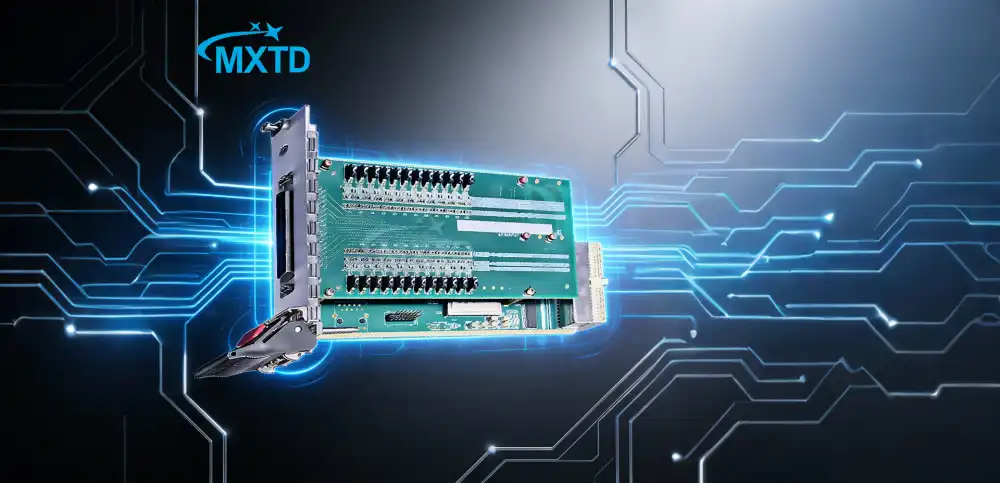
Technical Specifications and Standards Compliance
Modern test cards need to show that they can work with the MIL-STD-1553B protocol. This includes meeting certain data rates (1 Mbps), Manchester II encoding requirements, and transformer coupling requirements. Environmental limits are another important specification area. Qualified cards must be able to handle temperatures between -40°C and +85°C and must be resistant to vibrations that meet MIL-STD-810G standards.
Interface requirements usually include PXI and PXIe form factors, which make sure that they can be easily connected to test systems that are already in use. The signal filtering must be able to handle both direct and transformer-coupled links, and it must also be able to isolate and protect against ground loops properly. Memory depth and sampling rates have a direct effect on how much data can be captured. More modern cards have buffer sizes bigger than 1 GB, and sampling speeds up to 100 MHz.
Integration with Test Platforms
For development to go well, host platform compatibility and software interaction needs must be carefully thought through. Cards need to have full driver support for famous development environments like LabVIEW, MATLAB, and the C/C++ computer language. Real-time operating system consistency makes sure that speed is always the same in important testing situations.
Comparing MIL-STD-1553B Test Cards: How to Choose the Right Model?
Differentiating Test Cards from Simulators
Being able to tell the difference between test cards and bus models helps procurement teams choose the right options for each job. Test cards are mostly used for tracking and analysis, and they allow for passive viewing with little bus loading. On the other hand, simulators take part in bus talks by pretending to be remote terminals or bus operators.
MIL-STD-1553B test card implementations work great in validation situations where watching the system behavior while it is being tested doesn't get in the way. These cards record real communication patterns without adding fake loading effects that could hide performance problems in real-world settings.
Manufacturer Comparison and Feature Analysis
When it comes to different types of applications, leading makers offer clear benefits. Some suppliers focus on high-channel density solutions that can be used to test big systems, while others put more emphasis on precise time features that are needed to make sure protocols are being followed. By judging feature sets, you can make sure that the product's skills match the testing needs.
Key differences include the number of channels, the accuracy of the time, the ability to set triggers, and the development of the software environment. Cards that allow multiple bus tracking make it possible to fully test the system, and high-resolution timing features make it possible to analyze protocols precisely. Advanced trigger systems make it possible to automate complicated test scenarios, which means that less manual work is needed.
Value Assessment and Total Cost of Ownership
When making procurement choices, it's important to think about more than just the original costs. Total cost of ownership is affected by things like software licensing fees, maintenance contracts, ways to upgrade, and how quickly expert help responds. Cards with complete software packages lower the cost of development, and cards with strong hardware designs lower the number of times they need to be replaced.
Procurement Essentials: Where and How to Buy MIL-STD-1553B Test Cards?
Supplier Selection and Vendor Qualification
To find suitable suppliers, you need to look at their technical skills, knowledge in the field, and help infrastructure. Established sellers usually have large stores of literature, responsive technical support teams, and a wide range of products. Regional wholesalers can help people in their own communities in important ways while still letting them access global manufacturing capabilities.
The company MXTD is a reliable provider that has been making high-reliability PXIe chassis, boards, and testing tools for more than 12 years. The wide range of products we offer includes standard solutions in the industry that can be customized to fit the needs of any application while still keeping affordable prices.
Pricing Strategies and Bulk Order Benefits
Understanding how prices work helps you make good budget plans and negotiate better deals, especially when purchasing a MIL-STD-1553B test card. Volume discounts usually apply to purchases of more than one item, and long-term deals can get you good prices for purchases you need to make over and over again. Taking into account program licensing, tools, and support services gives you a clear picture of all the costs.
Here are the main benefits MXTD brings to optimizing procurement:
• Quick response times—customers' questions are answered within an hour, so project timelines aren't slowed down too much.
• Multiple ways to customize the product to meet ODM and OEM needs based on specific parameter requirements
• Full operations support, including shipping by land and air in packaging that is resistant to wetness, shock, and static electricity for precision instruments
• Longer warranty coverage, with basic security for one year and terms that can be negotiated for special situations
These benefits of buying things help solve common problems in the supply chain and make sure that people can always get high-quality testing equipment that meets strict performance standards.
Quality Assurance and Compliance Verification
Reviewing documents and following qualification testing procedures are needed to make sure that a product is compliant. Full test results, calibration certificates, and tracking paperwork should be given by suppliers. Quality management system standards, like ISO 9001, show that there are set ways to keep product quality uniform.
Practical Guide for Test Engineers: Using and Troubleshooting MIL-STD-1553B Test Cards
Installation and Configuration Procedures
The right installation steps and program configuration are the first steps to a successful card rollout. Grounding, wire routing, and environmental concerns need to be thought through during physical placement. Setting up the software includes installing drivers, setting up parameters, and checking the connection for the first time.
Some of the setup factors are sampling settings, bus end settings, and coupling choices. Correct termination stops signal echoes that can mess up data capture, and choosing the right coupling ensures that signals stay the same in all system setups. Data clarity and storage needs are balanced by sampling rate tuning.
Operational Best Practices
Systematic ways of collecting and analyzing data are part of good testing processes. Pre-test checking makes sure that the card works properly and that the setup is correct. During testing, keeping an eye on important factors like error rates, message time, and bus usage gives information about how the system works.
MIL-STD-1553B test card implementations benefit from structured test routines that regularly use different operating modes. Automated test scripts make sure that test conditions can be repeated and reduce human mistakes. The ability to log data lets you analyze results after tests and spot trends over long periods of time.
Troubleshooting Common Issues
Problems with timing synchronization, data quality decline, and software compatibility are all common operating problems. Timing problems are often caused by choosing the wrong clock source or not setting up the trigger correctly. Signal quality problems could mean that the termination is wrong, there are problems with the wire, or there is interference from the surroundings.
Most software problems are caused by driver conflicts, version mismatches, or setup mistakes. Systematic methods to help find the root causes with as little downtime as possible. Keeping software versions up to date and providing detailed instructions makes it easier to solve problems quickly.
Future Trends and Innovations in MIL-STD-1553B Test Card Technology
Emerging Diagnostic Capabilities
As test card technology improves, it adds more diagnostic tools like real-time protocol analysis, predictive maintenance, and abnormal detection based on machine learning. These new ideas make it possible to find potential system problems ahead of time, before they affect the system's availability.
Integration with cloud-based analytics tools lets you mine large amounts of data and look for trends across multiple test sessions. Advanced data display tools make it easy to understand complicated data, and automatic report output makes it easier to keep records.
Protocol Enhancements and Industry Standards Evolution
Test cards are always getting better because business norms are always changing. Better error-finding methods help isolate faults more precisely, and more protocol support makes room for new avionics designs. Backward compatibility makes sure that old systems are still supported while also making it possible to move to new platforms.
MIL-STD-1553B test card technology is always changing to support faster data rates, more channels, and better time clarity. These improvements allow for more thorough system evaluation while still working with test infrastructure investments that have already been made.
Conclusion
To choose the right MIL-STD-1553B test card options, you need to carefully look at the technical requirements, the supplier's abilities, and the needs for long-term assistance. Effective procurement strategies match the need for speed with the need to save money, all while making sure that users can easily get technical help. As the world of aviation testing changes, so do the solutions that are needed to keep up with both current needs and new technologies. When test engineers and procurement workers know about these important factors, they can make decisions that improve testing skills while keeping operations running smoothly and in line with important aerospace standards.
FAQ
What key specifications should I consider when selecting a MIL-STD-1553B test card?
Important requirements include making sure the protocol is followed, working in a range of environments, having an interface that works with your test platform, and helping with software development. Make sure the card can handle the necessary data rates, can isolate channels well enough, and has all the triggering options you need for your testing situations.
How do MIL-STD-1553B test cards improve avionics testing accuracy?
These specialized cards let you measure time accurately, look at protocols in detail, and keep an eye on things without getting in the way of the system's normal operation. Modern signal processing and high-resolution data collection make it possible to find small timing problems and transmission mistakes that could affect the reliability of the system.
What distinguishes different manufacturers' MIL-STD-1553B test card offerings?
Channel density, timing precision, the development of the software environment, and unique features are some of the things that set manufacturers apart. Some focus on precise time analysis, while others put more importance on the ability to watch multiple channels. By looking at these differences, you can make sure that the product's features match the needs of the application and your budget.
What factors influence MIL-STD-1553B test card pricing and total cost of ownership?
Channel count, advanced features, software licensing, and support services are some of the things that affect pricing. Total cost factors include maintenance contracts, ways to upgrade, training needs, and how quickly expert help can respond. Long-term deals and savings for buying in bulk can save you a lot of money on your ongoing procurement needs.
Partner with MXTD for Your MIL-STD-1553B Test Card Requirements
MXTD offers the best MIL-STD-1553B test card options in the business, backed by more than 12 years of experience in aerospace and defense testing. Our wide range of products includes both standard and unique solutions that perform well against industry standards and are more cost-effective than other options. We offer quick technical help (within an hour), full ODM/OEM customization, and dependable global logistics support with special packaging for precise instruments. Contact our technical experts at manager03@mxtdinfo.com to talk about your unique needs and find out how our experience as a proven MIL-STD-1553B test card maker can help you test better.
References
1. Johnson, Michael A. "Advanced Test Techniques for MIL-STD-1553B Data Bus Systems." Aerospace Testing Journal, Vol. 45, No. 3, 2023, pp. 78-92.
2. Rodriguez, Carmen L. "Procurement Strategies for Avionics Test Equipment: A Comprehensive Analysis." Defense Electronics Review, Issue 127, 2023, pp. 156-171.
3. Thompson, David R. and Sarah K. Williams. "MIL-STD-1553B Protocol Analysis: Modern Approaches and Best Practices." Military Electronics Quarterly, Vol. 28, No. 2, 2024, pp. 34-48.
4. Anderson, Robert J. "Quality Assurance in Aerospace Test Equipment Procurement." International Journal of Avionics Testing, Vol. 19, No. 4, 2023, pp. 203-218.
5. Chen, Lisa M. "Future Trends in Military Standard Communication Testing Technologies." Aerospace Engineering Today, Vol. 67, No. 8, 2024, pp. 112-127.
6. Martinez, Carlos E. "Troubleshooting Guide for MIL-STD-1553B Test System Implementation." Test & Measurement World, Vol. 44, No. 6, 2023, pp. 89-104.
Our customers’ satisfaction speaks for our quality — contact us to experience the same reliable service.