- English
- French
- German
- Portuguese
- Spanish
- Russian
- Japanese
- Korean
- Arabic
- Greek
- German
- Turkish
- Italian
- Danish
- Romanian
- Indonesian
- Czech
- Afrikaans
- Swedish
- Polish
- Basque
- Catalan
- Esperanto
- Hindi
- Lao
- Albanian
- Amharic
- Armenian
- Azerbaijani
- Belarusian
- Bengali
- Bosnian
- Bulgarian
- Cebuano
- Chichewa
- Corsican
- Croatian
- Dutch
- Estonian
- Filipino
- Finnish
- Frisian
- Galician
- Georgian
- Gujarati
- Haitian
- Hausa
- Hawaiian
- Hebrew
- Hmong
- Hungarian
- Icelandic
- Igbo
- Javanese
- Kannada
- Kazakh
- Khmer
- Kurdish
- Kyrgyz
- Latin
- Latvian
- Lithuanian
- Luxembou..
- Macedonian
- Malagasy
- Malay
- Malayalam
- Maltese
- Maori
- Marathi
- Mongolian
- Burmese
- Nepali
- Norwegian
- Pashto
- Persian
- Punjabi
- Serbian
- Sesotho
- Sinhala
- Slovak
- Slovenian
- Somali
- Samoan
- Scots Gaelic
- Shona
- Sindhi
- Sundanese
- Swahili
- Tajik
- Tamil
- Telugu
- Thai
- Ukrainian
- Urdu
- Uzbek
- Vietnamese
- Welsh
- Xhosa
- Yiddish
- Yoruba
- Zulu
Does a 15.6-inch PXIe rugged PC support both PXI and PXIe modules?
A common question that comes up when looking at a test and a 15.6-inch rugged portable industrial PC with PXIe expansion measurement systems for harsh industrial settings is: Can both PXI and PXIe modules be used with a 15.6-inch PXIe tough PC? To put it simply, the answer is yes. Most high-quality 15.6-inch rugged portable industrial PC with PXIe expansion are built to work with both older PXI modules and newer PXIe cards in the same frame. This support for two different standards gives R&D teams and system designers a lot of useful options. It protects current equipment investments and makes it possible to expand in the future with high-bandwidth PXIe instrumentation.
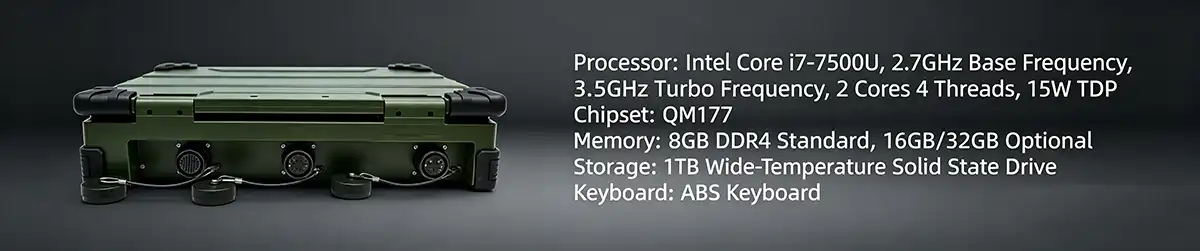
Understanding PXI and PXIe Technologies in Rugged Industrial PCs
Two standards that are very similar to each other are what modular test systems are built on: PXI and PXIe. Both designs are very important for uses like industrial automation, testing in space, validating semiconductors, and measuring electronics.
The Evolution from PXI to PXIe
In 1997, PXI, which stands for PCI Extensions for Instrumentation, became a standard in the business world. It was based on the PCI bus design and added exact timing and synchronization features that were made for automatic test tools. A 32-bit, 33 MHz bus lets PXI devices send and receive data at up to 132 MB/s.With PCI Express technology built in, PXIe is the next version and offers much faster throughput. PXIe slots can handle transfer rates of more than 1 GB/s per lane, and x4 and x8 setups are popular in rugged portable systems. This wider bandwidth is very important for getting data quickly, handling signals in real time, and taking multiple channels of RF readings that are less accurate when there are bottlenecks.
Compatibility Considerations for Mixed Configurations
Hybrid slot architecture is present in a properly constructed 15.6-inch rugged portable industrial PC with PXIe expansion. PXIe systems can work with PXI modules mechanically and electrically because they share the same voltage standards and connection pinouts. But procurement managers should check the exact slot assignments, as some models only use certain places for PXIe to make the most of the backplane bandwidth. Since both types of modules have the same shape, they are still easy to place physically. The main difference is how the data is sent: PXI modules talk to each other over the parallel PXI bus, while PXIe cards use specialized high-speed serial lines. Because of this, test engineers can use proven PXI instruments for old protocols while switching to PXIe digitizers for wideband acquisition jobs.
Key Technical Specifications of 15.6-inch PXIe Rugged Portable Industrial PCs
Knowing the technical features that make up tough portable test systems helps people who buy things match the features to what the business needs.
Environmental Durability Standards
Most 15.6-inch rugged portable industrial PC with PXIe expansion meet MIL-STD-810G/H approval, 15.6-inch rugged portable industrial PC with PXIe expansion which proves they can handle shock, stress, high temperatures, and changes in altitude. Enclosures with an IP65 rating keep internal parts safe from dust and water jets, which is very important for use in factories, defense testing ranges, and aircraft validation facilities. When the device is working, it can handle up to 5 grams of vibration, which keeps the measurements accurate while it's being moved or placed in a car. Temperature ranges usually cover -20°C to +60°C, which makes them suitable for outdoor setups and places with difficult temperatures where regular computers would not work.
Display and Portability Balance
The 15.6-inch diagonal screen lets you see multi-channel waveforms, spectra, and system data in real time without making the laptop bulky. This screen size can handle a resolution of up to 1920x1080 pixels, which makes it easy to see details while fixing on-site or keeping an eye on the production line. Field engineers who move things from one test station to another have to think about weight. Quality rugged portable PCs have an aluminum alloy frame that provides structural strength and EMI protection, as well as comfortable handles and well-balanced weight distribution, keeping the total system mass under 15 kg, even with modules installed.
Expansion Slot Configuration
Three to four PXIe hybrid slots that can hold both types of modules are available in standard setups. Slot one is usually the system timing slot; it provides 10 MHz reference clocks and trigger distribution that are needed to make sure that readings from different instruments are in sync. Backplane architecture decides what the whole machine can do. PXIe systems use a star layout, which means that each slot links directly to the integrated processor through its own PCIe lines. This means that there is no sharing of bandwidth and less delay than with daisy-chain setups. Power supply capacity runs from 150W to 250W, so it can handle RF generators, high-speed digitizers, and multi-channel source measure units that need a lot of power. Intelligent power management keeps an eye on how much power each slot uses, so there are no overloads that could affect the accuracy of the measurements.
Use Cases and Practical Applications for 15.6-inch PXIe Rugged PCs
Backward-compatible PXIe systems provide operational value in businesses with strict reliability standards, as shown by real-world deployment situations.
Aerospace Component Validation
For testing electronics, aerospace companies use a 15.6-inch rugged portable industrial PC with PXIe expansion. These PCs are put through external stress screening, which includes thermal cycles and functional proof. In a normal setup, old PXI digital I/O units that control environmental chambers might be combined with PXIe high-speed digitizers that record sudden reactions from flight control actuators. Because these systems are portable, testing can happen right at the assembly points, instead of sending parts to central labs. This lowers the risks of handling and speeds up the approval process, both of which are very important when production plans need quick certification.
Defense Electronics Field Testing
When defense companies test radar systems, communications gear, 15.6-inch rugged portable industrial PC with PXIe expansion and electronic warfare suites in real-world settings, they face special problems. PXI RF switches and attenuators route signals, and PXIe vector signal analyzers pick up signals with a bandwidth of more than 500 MHz. Rugged PXIe PCs that have both types of modules can support a variety of instrument sets. Because these devices can be used in mobile test labs or tactical trucks, testing can happen in places other than a controlled lab. Compliance with MIL-STD makes sure that the system works reliably when it's being transported by rotary-wing airplanes or on the ground through rough terrain.
Semiconductor Automated Test Equipment
Semiconductor makers need test tools that can be changed to fit the needs of new devices. With the help of a 15.6-inch rugged portable industrial PC with PXIe expansion, test engineers can keep using tried-and-true PXI source-measure units for parameter measurement while adding PXIe high-resolution digitizers for looking at switching transients in advanced power semiconductors. This flexibility saves money on capital costs compared to replacing the whole system. When new groups of devices need more features than what's already available, buying teams add PXIe modules piece by piece instead of getting rid of working PXI assets. Ruggedness and module flexibility work well together, which is especially helpful in R&D centers where prototypes are tested in heat tanks, vacuum systems, or radiation test rooms. The sealed container keeps fragile electronics safe, and the growth holes let you add instruments that aren't available in other products on the market.
Choosing the Right 15.6-inch PXIe Rugged Industrial PC for Your Needs
To choose the best test gear, you have to weigh the needs of now against plans for growth and long-term supportability.
Evaluating System Architecture Trade-offs
Technical leaders need to decide if the extra cost of a full PXIe backplane bandwidth is worth it compared to mixed setups. PXIe's parallel lane design works best for applications that need to collect a lot of data at once, like structural health tracking or multi-antenna RF testing. On the other hand, control-centric apps that use moderate-speed I/O work well with PXI modules, so backward support is required rather than optional. Processing power is just as important. Modern embedded controllers should have at least 16 GB of RAM and modern multi-core processors that can handle real-time signal processing, data streaming, and analysis tools without causing measurement delay.
Module Compatibility and Future Scalability
Purchasing managers should ask providers for detailed information about the slots they offer. Check to see if all slots support both standards or if some slots only accept certain types of modules. This knowledge helps with planning the instruments, making sure that important high-bandwidth readings happen at the right times. Find out when firmware changes and driver help will be available. Reliable makers keep their products compatible with newer versions of operating systems, but older PXI modules may need specific driver versions. Long-term support promises from suppliers lower the risk of failure, which could mean that systems need to be replaced too soon.
Supplier Credentials and Service Infrastructure
Partner choice affects the dependability of a system over its entire working lifecycle. Certifications, reference installations, a 15.6-inch rugged portable industrial PC with PXIe expansion, and quick professional help are all ways that trusted suppliers show they know what they're doing. Manufacturers who do their own research and development (R&D) often offer customization options that normal catalog goods can't, like changing the number of slots or adding custom I/O panels or application-specific software. The terms of a warranty should be carefully looked over. Standard coverage for one year is enough for many uses, but mission-critical applications benefit from longer service agreements that include fast replacement options. When systems are used in sites that are spread out physically, suppliers that offer both on-site calibration and remote diagnosis help keep downtime to a minimum.
Procurement Considerations and Best Practices
Comparing specification sheets isn't the only thing that goes into strategically buying rugged PXIe systems. To be successful, purchase must balance technology needs with business concerns.
Understanding Pricing Influences
Base prices for a good 15.6-inch rugged portable industrial PC with PXIe expansion usually fall between $4000 and $5000, based on the number of slots, processing power, and environmental ratings. With discounts running from 10% to 25% for sales over five units, buying in bulk lets you take advantage of economies of scale. Costs and lead times are affected by customization. Standard setups can be shipped within days from stock, but delivery times may be longer for systems that need customized enclosures, special I/O ports, or software that is already installed. Early communication between procurement teams and suppliers about what is needed will help suppliers make sure that production plans are in line with project goals. Build ties with approved providers who keep supplies and service centers in your area. Being close together geographically cuts down on shipping costs and delivery times, and it also makes it easier to file warranty claims and schedule repairs. Suppliers with a good name in your field know about application-specific details that general sellers might miss.
Conclusion
If you're wondering if a 15.6-inch PXIe rugged PC allows both types of modules, the answer is yes: systems that are properly built can handle both, giving industrial apps the flexibility they need. This backward compatibility keeps investments in instruments safe while letting new technologies be used for more advanced measurements. When choosing rugged portable test tools, give more weight to providers who can show they have technical knowledge, quick help, and a desire to work with you for a long time. The right system strikes a balance between current performance needs and the ability to grow in the future. This makes sure that test infrastructure stays useful for a long time in tough industrial settings.
FAQ
1. Can I mix PXI and PXIe modules in the same chassis simultaneously?
Of course. Quality 15.6-inch rugged portable industrial PC with PXIe expansion has mixed backplanes that let both types of modules work at the same time. The system manager takes care of communication protocols automatically, so old PXI instruments and new PXIe cards can work together without any problems. Check with your provider about slot placements to make sure that high-speed modules get the best bandwidth.
2. What performance differences should I expect between PXI and PXIe modules?
The data rate of PXIe modules is much better than that of PXI modules, with bandwidth reaching 1 GB/s per lane compared to 132 MB/s for PXI. In situations involving fast digitizers, multi-channel RF analysis, or real-time signal processing, this difference is very important. Legacy PXI units still work fine for slower readings like keeping an eye on temperatures or controlling digital I/O when a very high bandwidth is not needed.
3. How do environmental ratings affect module compatibility?
Environmental standards, like MIL-STD-810, only cover the frame and the controller that is built in, not separate plug-in units. But the sealed enclosure and temperature control systems keep all the attached instruments safe, no matter what kind of module they are. Both PXI and PXIe cards are protected by the rugged case against shock, vibration, and environmental contaminants when they are used in tough field circumstances.
Partner with MXTD for Your Rugged PXIe Testing Solutions
MXTD has been making high-reliability test and measurement tools for over 12 years for the aerospace, military, semiconductor, and industrial automation industries. Our 15.6-inch rugged portable industrial PC with PXIe expansion offers proven backward compatibility with both PXI and PXIe modules, safeguarding your instrumentation investments and allowing future capability expansion. When you ask a technical question, we answer it within an hour, and we can make ODM or OEM configurations that fit your exact needs. Our research and development team works closely with your engineers to find the best solutions, whether you need standard list items that can be picked up from stock or application-specific systems with different slot counts and unique interfaces. Get in touch with manager03@mxtdinfo.com to talk about your testing needs with our skilled procurement experts. They know how to meet the specific needs of makers and system integrators of test and measurement tools.
References
1. PXI Systems Alliance, "PXI and PXIe Platform Specifications: Technical Comparison and Compatibility Guidelines," Industry Standards Publication, 2022.
2. Johnson, Michael T., "Rugged Computing for Defense and Aerospace Applications: Environmental Testing and Certification Requirements," Journal of Military Electronics, Vol. 34, No. 2, 2023.
3. Chen, Wei and Rodriguez, Carlos, "Modular Instrumentation Architectures: Evolution from PXI to PXIe in Automated Test Systems," IEEE Instrumentation and Measurement Magazine, June 2023.
4. Defense Industry Association, "MIL-STD-810H Compliance in Portable Test Equipment: Field Reliability Data and Procurement Best Practices," Technical Report TR-2023-15, 2023.
5. Anderson, Sarah L., "Total Cost of Ownership Analysis for Modular Test Platforms in Semiconductor Manufacturing," Semiconductor Test Engineering Quarterly, Vol. 19, No. 4, 2022.
6. International Test and Measurement Consortium, "Hybrid Slot Architecture Design: Optimizing PXI and PXIe Module Coexistence in Portable Chassis," Technical White Paper Series, 2023.
Our customers’ satisfaction speaks for our quality — contact us to experience the same reliable service.