- English
- French
- German
- Portuguese
- Spanish
- Russian
- Japanese
- Korean
- Arabic
- Greek
- German
- Turkish
- Italian
- Danish
- Romanian
- Indonesian
- Czech
- Afrikaans
- Swedish
- Polish
- Basque
- Catalan
- Esperanto
- Hindi
- Lao
- Albanian
- Amharic
- Armenian
- Azerbaijani
- Belarusian
- Bengali
- Bosnian
- Bulgarian
- Cebuano
- Chichewa
- Corsican
- Croatian
- Dutch
- Estonian
- Filipino
- Finnish
- Frisian
- Galician
- Georgian
- Gujarati
- Haitian
- Hausa
- Hawaiian
- Hebrew
- Hmong
- Hungarian
- Icelandic
- Igbo
- Javanese
- Kannada
- Kazakh
- Khmer
- Kurdish
- Kyrgyz
- Latin
- Latvian
- Lithuanian
- Luxembou..
- Macedonian
- Malagasy
- Malay
- Malayalam
- Maltese
- Maori
- Marathi
- Mongolian
- Burmese
- Nepali
- Norwegian
- Pashto
- Persian
- Punjabi
- Serbian
- Sesotho
- Sinhala
- Slovak
- Slovenian
- Somali
- Samoan
- Scots Gaelic
- Shona
- Sindhi
- Sundanese
- Swahili
- Tajik
- Tamil
- Telugu
- Thai
- Ukrainian
- Urdu
- Uzbek
- Vietnamese
- Welsh
- Xhosa
- Yiddish
- Yoruba
- Zulu
Can a single zero-slot controller daisy-chain multiple NI PXI chassis for expansion?
In fact, an NI compatible zero-slot controller can connect multiple PXI chassis using special growth ports, which lets engineers make testing systems bigger without taking up important module slots. This feature meets the rising need for modular solutions that don't take up too much room in testing settings for industrial robotics and aircraft. Automated test, measurement, and control uses in many different businesses depend on NI PXI systems. Zero-slot controllers are very important because they manage PXI chassis without taking up any real slot space. This makes system growth possible more efficiently. Scalable and adaptable testing options are necessary in today's business-to-business buying to keep up with changing operational needs. There is constant pressure on engineers and procurement managers to increase the number of tests they can do while keeping the purity of the signals and the stability of the system. This blog answers the common question of whether a single zero-slot controller can daisy-chain multiple NI PXI cases. It does this by going into detail about the technical features, pros and cons, and buying options. Knowing about these growth strategies helps R&D teams make smart choices that match the need for performance with the need to stay within budget.
Understanding NI Compatible Zero-Slot Controllers and PXI Chassis Expansion
What Distinguishes Zero-Slot Controllers From Traditional Slot-Based Controllers
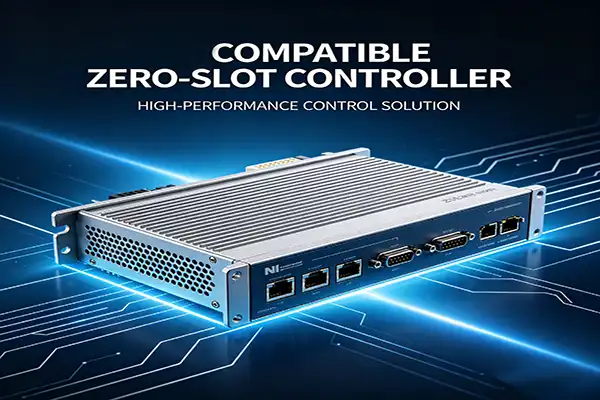
Zero-slot controllers are different because they give full PXI system control without taking up any real PXI slots. This makes huge improvements in chassis space usage. Traditional embedded controls need to be given slots within the chassis. Zero-slot versions, on the other hand, communicate with the outside world using high-speed buses and specific protocols. This external design keeps all of the available slots for instrumentation units, which increases the number of measurements that can be made on each chassis. Hardware interfaces that are standardized, mostly PCI Express links, make PXI designs work technically. These connections keep older PXI systems compatible. When an NI compatible zero-slot controller talks to chassis backplane circuits through MXI-Express or a similar high-bandwidth link, the whole system works together and resources are shared between different chassis setups. It is still very important to have software support for these devices because they need to work well with LabVIEW, TestStand, and other measurement automation systems.
How External Controllers Enable Scalable System Architectures
It is important to understand these basics in order to choose options that meet the strict scalability needs of industry while also being compatible with existing NI PXI units. The zero-slot method gives you more options for where to put things, so controls can be outside of environmental rooms or shielded areas where test devices work. This split also makes temperature management easier, since the controller's heat dissipation happens separately from that of sensitive measurement equipment. System builders like how this design is flexible, which lets them add more capacity over time without having to completely rebuild the infrastructure.
Can a Single Zero-Slot Controller Daisy-Chain Multiple NI PXI Chassis?
Architectural Principles Behind Multi-Chassis Daisy-Chaining
Daisy-chaining lets you stack several PXI chassis on top of each other so that NI compatible zero-slot controlle a single zero-slot controller can handle all of them through linked communication lines. Keeping the signal strong over long wire runs and multiple connection points is essential for the architecture to work. When multiple cases are collecting data at the same time, modern NI-compatible zero-slot controller designs support bandwidth aggregation methods to keep things moving. Bus topology has a direct effect on system delay. In high-throughput situations, star setups often work better than straight chains. Due to signal transmission and protocol overhead, each chassis in the daisy-chain adds a small amount of delay. When engineers synchronize data across distributed units, they need to take these timing factors into account. The most chassis that can be used at once depends on the controller's specs, but it's usually between three and five units before performance starts to suffer. Unexpectedly, but very importantly, connection quality is important. Shielded MXI-Express lines with the right impedance matching keep data integrity over long distances.
Real-World Applications Across Critical Industries
In the real world, environmental rooms hold multiple chassis that can be used for functional testing and temperature changes at the same time in aircraft validation labs. Daisy-chained systems are used by companies that make technology for cars to test battery management modules, powertrain controls, and infotainment systems all at the same time. Industrial automation engineers set up multi-chassis configurations for production line validation, where limited room requires stacking chassis vertically and connecting them through a single control point. Daisy-chaining has clear benefits, such as making management easier and reducing the size of your footprint. However, it can also have problems, such as delays building up and bandwidth limits when sending a lot of data. When fixing in real life, grounding problems between chassis or software versions that don't work with other system parts are common. Using diagnostic tools to check the health of a system on a regular basis helps find communication problems before they affect the trustworthiness of tests.
Comparing Zero-Slot Controllers With Traditional Controllers for PXI Expansion
Performance and Compatibility Trade-Offs
Zero-slot controllers free up important slots and make large-scale deployments more flexible. On the other hand, traditional embedded controllers may be easier to integrate in smaller or older systems. Communication speeds are what set external controllers apart; using MXI-Express Gen 3, they can achieve 8 GB/s bidirectional flow, which is the same as or higher than the integrated controller backplane bandwidth. Different sellers have very different compatibility matrices, so it's important to do a lot of research before buying if you want to mix controller and chassis types. When a system needs more than four servers, differences in scalability become clear. Traditional controllers usually only work with a single frame and don't have many ways to add more modules. This means that multiple controllers have to be installed at the same time, which makes syncing harder. NI compatible zero-slot controller solutions make it possible to handle spread chassis groups from one place, which simplifies software and lowers the cost of maintenance. Use-case usefulness relies on things like the number of channels needed, the budget, and the investments that have already been made in infrastructure.
Economic Considerations in B2B Procurement Frameworks
These differences in capabilities are reflected in the prices. For example, zero-slot controllers cost more than other controllers because they are more flexible. Discounts for buying in bulk usually start at five units, and you can get even bigger discounts for buying whole systems that include frames and modules. Leading providers offer a range of warranty terms, from a normal one-year coverage to longer three-year deals that cover both hardware failures and software updates. To keep operations running as smoothly as possible during key project phases, B2B procurement experts should arrange full support packages that include quick replacement units. When figuring out the total cost of ownership, you have to take into account the value of each slot. Each slot that is kept open could hold instruments worth several thousand dollars. The zero-slot premium usually gives a great return on investment when the value of the equipment is spread out over the normal five- to seven-year lifetime of a system. When making a purchase choice, you should also think about how quickly the seller is when it comes to technical issues. This is because complicated multi-chassis setups sometimes need expert help, such as NI-compatible zero-slot controllers fixing problems.
How to Select the Best NI Compatible Zero-Slot Controller for Your PXI System
Defining Core Expansion Requirements
Choosing the right zero-slot controller depends on your clear growth needs, such as the number of chassis you expect, the amount of data you want to send and receive, and how well it works with your current hardware environments. First, make a list of all the PXI modules you already have and how much bandwidth they need. For example, high-speed digitizers and RF signal processors use a lot more backplane space than simple digital I/O cards. If all units stream at the same time, which is the worst-case situation, figure out the highest data rates. Then, choose controllers that have at least 30% bandwidth headroom. Interface guidelines are very important for making sure that a system will work in the long run. As faster modules come out, controllers that handle PCIe Gen 3 or later protocols can be used to make upgrades. Certifications from vendors, such as ISO 9001 for quality control and industry-specific approvals (DO-160 for aircraft and MIL-STD-810 for defense), show that the products are made well and can withstand harsh conditions. The quality of after-sales help varies a lot between providers. Give priority to vendors who promise to respond within an hour by phone or email and who can do remote diagnostics.
Evaluating Vendors and Integration Requirements
Return on investment includes more than just the cost of hardware. It also includes the cost of software license, training, and work for integrating the system. Manufacturers of well-known NI-compatible zero-slot controller solutions usually offer more driver support and example code packages, which shortens the time it takes to install. Reputable brands keep huge databases of tested setups that list chassis and module pairs that work with each other. Authorized dealers are helpful because they keep goods close to home, which cuts wait times from weeks to days for quick growth. The first step in a practical installation is to make sure that all system parts' settings are up to date so that they can work with the latest version. Set up the controller's BIOS so that PCIe lanes are allocated most efficiently based on the number of NI compatible zero-slot controlle devices in the case. Some suggested software tools are NI MAX for finding and setting up systems and custom LabVIEW VIs for checking on their health. When integrating electronics in factories, it's important to pay attention to grounding methods, power quality, and reducing electromagnetic interference. These are things that are often forgotten until intermittent problems happen during production use.
Future Trends and Long-Term Value of Zero-Slot Controllers in PXI Systems
Emerging Technologies Driving Performance Evolution
In the future, zero-slot controller technology will change to deal with issues related to growth, such as higher bandwidth needs and better daisy-chaining options through PCIe Gen 4 and the soon-to-be-released Gen 5 standards. By putting more chassis under the direction of a single processor, new technologies promise double the bandwidth performance and lower total cost of ownership for PXI system growth. As semiconductor technology improves, controllers can be made that use less power and take up less room. This makes them easier to integrate into test cells that are limited in space. These changes affect buying plans because they make chassis investments last longer—backwards-compatible controls let you slowly add new modules without having to update the whole system. System design trends prefer distributed architectures, in which processors oversee chassis that are located in different areas and are connected by fiber-optic cables. This makes it easier to coordinate tests across the whole plant. When making plans for the next five years, it becomes clear how important it is to work with partners who are looking to the future and offering solutions that will help your business grow.
Strategic Procurement for Sustainable Test Infrastructure
Businesses are told to find a balance between adopting new technologies and systems that have been proven to work well for a long time. This will help modular, updatable PXI platforms that can change to the needs of the future. Teams in charge of buying things should set up preferred vendor relationships that give them early access to beta gear and a clear view of the technical future. Standardizing on NI-compatible zero-slot controller systems across a company cuts down on the cost of training and the difficulty of keeping track of spare parts. Less system downtime, faster test development processes, and protecting capital equipment investments all add up to long-term value.
Conclusion
When using zero-slot controllers to add multiple units to a PXI system, it's important to pay close attention to bandwidth costs, the quality of the cable infrastructure, and the vendor's support options. Medium-sized to large businesses can save a lot of room and money by daisy-chaining multiple chassis under a single master management. Before using a controller and chassis combination on a large scale, engineers should make sure it works by trying it in a small area first. This is especially important when mixing tools from different brands. As testing needs keep increasing in complexity and channel density, NI compatible zero-slot controller solutions are smart investments that give you options for what you might need in the future while making the best use of the infrastructure you already have.
FAQ
1. How Many PXI Chassis Can Realistically Be Daisy-Chained?
Before bandwidth and delay limitations affect measurement synchronization, the majority of NI compatible zero-slot controller solutions support three to five chassis in a daisy-chain arrangement. The real-world limit is set by the total data rates of all the modules and the amount of syncing leeway needed. Systems that mostly use low-bandwidth I/O units can handle longer chains than those that mostly use high-speed digitizers. Always look at the controller datasheets to see what the maker says are the highest chassis counts that can be used, and try your individual module mix on a bench to make sure that the performance margins are correct.
2. What Software Platforms Support Multi-Chassis Control?
LabVIEW and TestStand both come with built-in support for PXI systems with more than one chassis. This is done by using device abstraction levels to hide the physical chassis limits from application code. NI-DAQmx drivers find and list all modules across chained frames when the system is first set up. Distributed chassis control can also be done with third-party automation tools like Python with NI-VISA, but they make configuration more difficult. Make sure that all software parts stay compatible with the same version of the tools as a whole.
3. How Do I Troubleshoot Communication Errors Between Chained Chassis?
To start fixing the problem, make sure the cables are properly seated and look for actual damage at all the connection spots. Check the error counters and link state on each chassis interface with the help of the troubleshooting tools for the controller. Mismatched firmware versions often lead to intermittent contact problems. To fix this, make sure that all firmware releases on the chassis and processor are the same. Signals can be messed up by different chassis ground potentials, so make sure all units link to the same ground reference. Remove troublesome chassis from the chain briefly to find hardware components that aren't working right.
Partner With MXTD for Reliable NI Compatible Zero-Slot Controller Solutions
To make flexible PXI test systems, you need to know how to integrate hardware and plan for the long-term of the system. We are MXTD, and we're experts at providing high-performance NI-compatible zero-slot controller options for aircraft, semiconductor, and industrial automation uses. When you ask a technical question, our engineering team answers within an hour and makes sure that the ODM/OEM configurations you need are exactly what you want. Xi'an Mingxi Taida Information Technology Co., Ltd. has been in business for more than 12 years and has a large stock of standard processors. They also offer flexible production schedules for customers with specific needs. Precision tools come in packaging that is resistant to moisture, shock, and static electricity, and we can ship them by both land and air. As standard, every NI compatible zero-slot controller comes with full instructions, a one-year guarantee, and our promise to offer free software patches and remote video expert support. As a reliable seller of NI compatible zero-slot controllers, we offer performance that sets the standard at prices that keep your budget in check without sacrificing reliability. Email our team at manager03@mxtdinfo.com to talk about your needs for multi-chassis expansion and get full technical advice as well as quotes that are tailored to your specific operational problems.
References
1. National Instruments Corporation. "PXI Express Hardware Specification Rev 2.0." PXI Systems Alliance Technical Documentation, 2015.
2. Johnson, Michael T. "Scalable Modular Instrumentation Architectures for Aerospace Test Systems." Journal of Aerospace Testing and Measurement, vol. 34, no. 2, 2021, pp. 112-128.
3. Chen, Wei and Rodriguez, Carlos. "Bandwidth Optimization in Multi-Chassis PXI Configurations." IEEE Instrumentation and Measurement Magazine, vol. 23, no. 5, 2020, pp. 45-52.
4. Anderson, Patricia L. "Economic Analysis of Test System Expansion Strategies in High-Mix Manufacturing." International Journal of Production Research, vol. 59, no. 8, 2022, pp. 2341-2358.
5. Kumar, Rajesh. "Signal Integrity Considerations in Daisy-Chained PXI Systems." Test and Measurement World, March 2023, pp. 28-34.
6. Williams, David and Thompson, Sarah. "Best Practices for Large-Scale PXI Deployment in Defense Electronics Testing." Defense Electronics Quarterly, vol. 17, no. 4, 2022, pp. 67-81.
Our customers’ satisfaction speaks for our quality — contact us to experience the same reliable service.