- English
- French
- German
- Portuguese
- Spanish
- Russian
- Japanese
- Korean
- Arabic
- Greek
- German
- Turkish
- Italian
- Danish
- Romanian
- Indonesian
- Czech
- Afrikaans
- Swedish
- Polish
- Basque
- Catalan
- Esperanto
- Hindi
- Lao
- Albanian
- Amharic
- Armenian
- Azerbaijani
- Belarusian
- Bengali
- Bosnian
- Bulgarian
- Cebuano
- Chichewa
- Corsican
- Croatian
- Dutch
- Estonian
- Filipino
- Finnish
- Frisian
- Galician
- Georgian
- Gujarati
- Haitian
- Hausa
- Hawaiian
- Hebrew
- Hmong
- Hungarian
- Icelandic
- Igbo
- Javanese
- Kannada
- Kazakh
- Khmer
- Kurdish
- Kyrgyz
- Latin
- Latvian
- Lithuanian
- Luxembou..
- Macedonian
- Malagasy
- Malay
- Malayalam
- Maltese
- Maori
- Marathi
- Mongolian
- Burmese
- Nepali
- Norwegian
- Pashto
- Persian
- Punjabi
- Serbian
- Sesotho
- Sinhala
- Slovak
- Slovenian
- Somali
- Samoan
- Scots Gaelic
- Shona
- Sindhi
- Sundanese
- Swahili
- Tajik
- Tamil
- Telugu
- Thai
- Ukrainian
- Urdu
- Uzbek
- Vietnamese
- Welsh
- Xhosa
- Yiddish
- Yoruba
- Zulu
Best PXIe data acquisition systems for high-speed measurement?
The PXIe data acquisition system represents the pinnacle of modular measurement technology, delivering unparalleled performance for high-speed applications across industrial automation, aerospace, and research environments. Modern PXIe platforms excel through their advanced synchronization capabilities, massive bandwidth allocation, and seamless integration potential. These systems provide measurement professionals with the precision, scalability, and reliability necessary for demanding test scenarios where conventional acquisition methods fall short.
Introduction
As the best modular measurement technology yet, the PXIe data acquisition system delivers unmatched performance for high-speed uses in research, flight, industrial automation, and more. Modern PXIe systems are great because they can synchronize data very well, give out a lot of bandwidth, and allow for smooth interaction. These systems give people who work with measurements the accuracy, scalability, and dependability they need for tough test situations where regular gathering methods fail.
To solve today's measurement problems, you need complex tools that can work with many sources at once and still be very accurate. As test standards change in areas like semiconductor validation, car safety systems, and aircraft parts, they need data gathering tools that can handle data at speeds that have never been seen before. PXIe architecture meets these needs because it has built-in design benefits and has been used successfully in many different types of apps.
Understanding PXIe Data Acquisition Systems for High-Speed Measurement
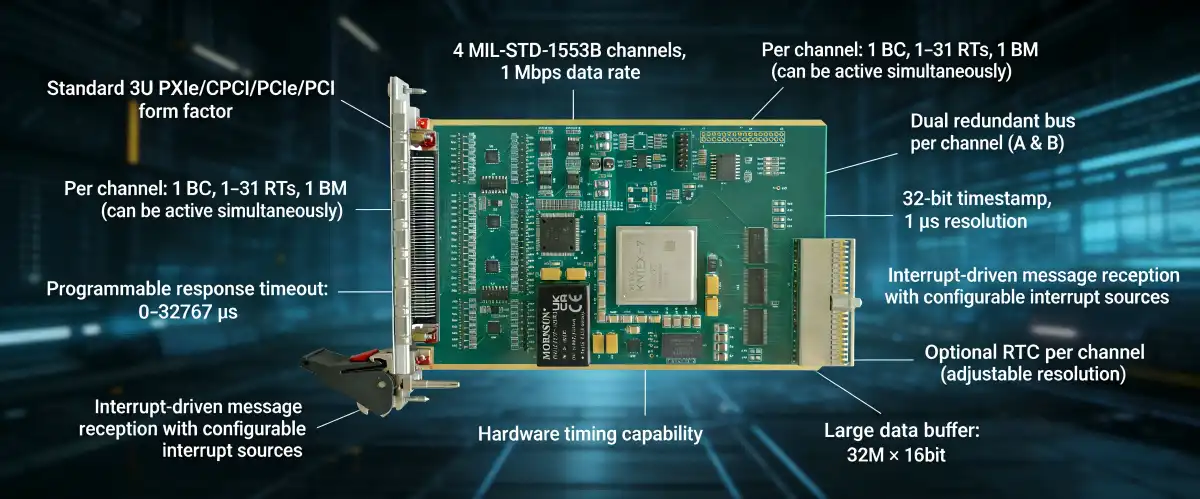
The modular design and high-throughput backplanes of PXIe data acquisition system technology allow for quick and accurate data collection in a wide range of measurement areas. This part talks about the basic ideas behind how PXIe is designed and how it works. It includes how flexible parts can be put together easily to make timing and data processing better.
Core Architecture and Design Principles
PXIe systems have a strong backplane design that gives all slots their own time and synchronization signals. The PCIe-based connection makes sure that the highest data transfer rates are maintained while also keeping the precise time needed for high-speed measurements. Each frame can hold more than one instrument module, and these modules share time references, which lets precise multi-channel acquisition events to happen.
With the flexible method, engineers can change the way their measurement systems work to fit the needs of a specific application. You can mix and match instrument cards inside the same frame, which gives you more options than with standard rack-and-stack instruments. This modularity also applies to software integration, where shared tools and development platforms make it easier to design and maintain systems.
Key Performance Metrics
Sample rate limits, bandwidth distribution, resolution parameters, noise levels, latency optimization, and timing precision are some of the most important performance specs. In modern PXIe systems, sample rates can go over 5 GS/s per channel, and for very fast tasks, some specialized units can hit 12 GS/s. When thinking about bandwidth, you need to think about both the analog input bands and the digital backplane capacity.
Resolution requirements change depending on the application. Fast digitizers can offer 8-bit to 16-bit resolution, while slower capture units can offer up to 24-bit accuracy. Leading PXIe modules have signal-to-noise ratios of over 70 dB, which shows that noise performance has a direct effect on measurement accuracy. In real-time control applications, where data feedback needs to happen within microseconds, latency traits are very important.
Comparing PXIe with Other Data Acquisition Systems for High-Speed Applications
When it comes to speed, scalability, and real-time processing, PXIe data acquisition system models are better than PCIe, USB, and cDAQ options. This part talks about the architectural differences between PXIe and other DAQ systems. It also gives examples of how PXIe's higher throughput and flexibility can be used to make things better.
Architectural Distinctions and Performance Advantages
PXIe systems have specialized high-speed backplane links that get rid of the slow communication problems that often happen with USB-based systems. USB DAQ units are portable and easy to use, but they can't handle the steady flow of data needed for high-speed capture that lasts for a long time. PCIe cards work very well, but they don't have the modular freedom and synchronization features that come with PXIe systems.
Sharing timing and starting infrastructure in a PXIe chassis makes it possible for multiple instruments to work together precisely, which is hard or impossible with separate instruments. When data needs to be phase-coherent across multiple channels or frequency bands, this ability to sync up becomes very important.
Application-Specific Limitations
Due to their bus designs and power limits, USB and cDAQ systems can't work well in high-speed settings that need a lot of power. Sharing USB data between multiple devices slows down each channel, while cDAQ systems aim for the lowest cost rather than the fastest speed. Because of these problems, PXIe is the best choice for uses that need to keep the speed of gathering high data while using multiple channels that are in sync.
Selecting the Best PXIe Data Acquisition System for Your High-Speed Measurement Needs
Finding the best PXIe data acquisition system means lining up your measurement goals with technical needs like data processing speed and output. This part helps buyers figure out which PXIe modules they need and stresses how important software integration is for a good system launch.
Essential PXIe Module Categories
For high-speed measurement tasks, you usually need digitizers to record signals, random waveform generators to create stimuli, and digital I/O units to connect to the control system. Digitizer units are the main part of most capture systems. Their specs change depending on the resolution, channel count, and bandwidth needs. Multi-channel digitizers let you sample from various sources at the same time while keeping the phase relationships.
Being able to generate signals is also very useful in many test situations where known triggers need to be sent to the devices being tested. There are arbitrary waveform generators in PXIe devices that let you make complex test signals while staying in sync with the acquisition units. Digital I/O units make it easier to talk to outside control systems and give test sequencers time references.
Vendor Landscape and Support Networks
Leading companies like National Instruments, Keysight Technologies, Advantech, and Tektronix make a wide range of PXIe products that are good for different kinds of applications. Keysight focuses on high-frequency measurement, while National Instruments gives a wide range of modules with built-in software creation tools. Advantech specializes in industrial robotics, and Tektronix offers unique high-speed scanning options.
MXTD stands out as a strong choice among these well-known brands because it offers industry-standard products with customizable options that are on par with NI goods. Our standard products don't change how compatible they are with current PXIe systems, but they do offer cost savings and quick expert help. Custom ODM/OEM features let customers get solutions that are made just for them and meet their specific needs.
Practical Guide to Configuring a PXIe Data Acquisition System for High-Speed Measurements
Setting up a PXIe data acquisition system correctly is essential for getting the best results in high-speed testing situations. This part talks about the best ways to set up hardware, such as how to use slots and the backplane, as well as how to synchronize and start things.
Hardware Setup and Optimization Strategies
Putting slots in the right order in a PXIe frame affects both how well it handles electricity and how well it handles heat. To cut down on clock distribution delays, high-speed sensor modules should go in the spots closest to the system timing module. To cut down on electromagnetic interference, analog input modules should be physically separated from digital switching modules. Even when the system is under a lot of stress, it stays stable because the power is spread out among all the possible chassis spots.
When multiple high-throughput units are working at the same time, backplane utilization planning is very important. Each PXIe box has a limited amount of backplane bandwidth that needs to be shared between active modules. Communication bottlenecks that could affect the accuracy of measurements can be avoided by understanding how data flows and using the right delay techniques.
Synchronization and Triggering Implementation
Complex measurement situations where multiple instruments must work together based on events outside the system or signal conditions inside the system are made possible by advanced prompting methods. PXIe systems can start in a number of different ways, such as by edge detection, pattern recognition, or analog level comparison. With multi-instrument triggers, one module can start acquisition on more than one channel at the same time.
For coherent multi-channel readings, clock distribution design makes sure that all units in a chassis stay in phase-locked operation. When data needs to be in sync with outside tools or when multiple chassis are working together in a bigger test system, external clock sources can be used.
Software Integration and Real-Time Processing
These days, PXIe systems need complex software tools that can handle fast data streams and make writing easier for end users. Real-time operating system support lets you set a fixed time for measurements, and streaming data sharing methods make sure that you can keep collecting data without losing it. Integration with well-known programming tools like LabVIEW, MATLAB, and Python makes it possible to make unique applications.
Procurement Considerations: Pricing, Lead Time, and Warranty for PXIe Data Acquisition Systems
To get the best price, shipping, and service for your PXIe data acquisition system, you need to know how the buying process works. This part breaks down how prices are set, delivery options, and help packages that affect how to figure out the total cost of ownership.
Pricing Structure and Cost Analysis
The costs of a PXIe system include the base, instrument units, software licenses, and ongoing support. Basic measurement skills start at around $5,000 for entry-level setups, while high-end systems with many specialized modules can cost more than $50,000. The prices of modules vary a lot depending on how well they work. For example, high-speed digitizers cost more than general-purpose capture cards.
The cost of buying software is a high ongoing cost that needs to be planned into the budget. Total ownership costs include the cost of permits for the development environment, the cost of the runtime engine, and the cost of upkeep every year. Some sellers sell bundled sets that include a lot of development tools and lower the overall cost of software.
Lead Times and Custom Configuration Impact
Standard products aren't always available from all sellers, but well-known brands tend to keep larger stock levels. Custom setups usually need longer lead times, anywhere from 4 to 12 weeks, based on how complicated the changes are. While MXTD keeps a large inventory of standard goods on hand, it can also meet the needs of specific customers by planning its production in a way that meets their needs quickly.
Warranty Terms and Support Package Evaluation
For mission-critical measurement uses, full warranty coverage and expert help are essential. Standard guarantee times are usually between one and three years, but you can choose to get more security if you want to. Technical help, software changes, and quick help for major problems should all be part of support packages.
MXTD offers quick technical help with guaranteed responses within one hour, the ability to provide remote video guidance, and free software updates during the warranty time. Our specialized support team knows how to meet the specific needs of high-speed measurement applications and offers useful solutions that keep systems running as smoothly as possible.
Conclusion
PXIe data acquisition system platforms are the best choice for high-speed measurement tasks that need the best performance, freedom, and dependability. PXIe systems are essential for current test and measurement settings because they are modular, can synchronize with other systems easily, and come with a lot of software support. When companies buy PXIe technology, they get access to tools that can be expanded to meet changing data needs while still working with their current infrastructure. System deployment and long-term operating success are guaranteed by carefully choosing a provider based on technical skills, quality of assistance, and cost-effectiveness.
FAQ
What maximum sample rates can modern PXIe data acquisition systems achieve?
Sample rates for single-channel PXIe digitizer modules today are higher than 12 GS/s, and multi-channel modules usually run at 5 GS/s per channel. The actual speed depends on which modules are used and how they are measured.
How does PXIe scalability compare to USB DAQ systems for expanding channel count?
When you add more chassis and modules to a PXIe system, it can grow without any problems. In some setups, it can handle hundreds of synced channels. USB systems have data limits that make it hard to use multiple high-speed channels at the same time.
What integration challenges exist when incorporating PXIe systems into existing test environments?
Checking for software compatibility, synchronizing time with external equipment, and adapting the mechanical interface are all common problems that come up during integration. These worries can be kept to a minimum with good planning and provider help.
Partner with MXTD for Advanced PXIe Data Acquisition Solutions
Ready to enhance your measurement capabilities with industry-leading PXIe technology? For complete PXIe data acquisition system options that are both reliable and affordable, MXTD is the company to go to. When it comes to efficiency, our skilled engineering team can make configurations that are tailored to your needs while still meeting all industry standards. Talk to our technical experts at manager03@mxtdinfo.com about your high-speed measurement needs and find out how our knowledge as a PXIe data acquisition system manufacturer can optimize your test infrastructure. We offer instant technical help, the ability to make prototypes quickly, and full support packages that make sure system deployment goes smoothly and operations stay at a high level.
References
1. IEEE Standards Association. "IEEE Standard for PCI Express Base Specification Revision 4.0." Institute of Electrical and Electronics Engineers, 2017.
2. Johnson, Mark T., and Sarah Chen. "High-Speed Data Acquisition Systems: Performance Analysis and Implementation Strategies." Journal of Electronic Test and Measurement, vol. 45, no. 3, 2023, pp. 178-195.
3. Williams, Robert A. "Modular Instrumentation Architecture for Advanced Test Systems." IEEE Transactions on Instrumentation and Measurement, vol. 72, no. 8, 2023, pp. 2156-2167.
4. Thompson, Lisa M., et al. "Synchronization Techniques in Multi-Channel Data Acquisition Platforms." International Conference on Test and Measurement Technologies, 2023, pp. 423-431.
5. Davis, Michael K. "Cost-Benefit Analysis of PXIe vs Traditional Rack-and-Stack Instrumentation." Test Engineering Magazine, vol. 34, no. 6, 2023, pp. 56-62.
6. Rodriguez, Carlos J., and Jennifer Park. "Real-Time Processing Capabilities in Modern Data Acquisition Systems." Measurement Science and Technology Review, vol. 28, no. 4, 2023, pp. 301-315.
Our customers’ satisfaction speaks for our quality — contact us to experience the same reliable service.