- English
- French
- German
- Portuguese
- Spanish
- Russian
- Japanese
- Korean
- Arabic
- Greek
- German
- Turkish
- Italian
- Danish
- Romanian
- Indonesian
- Czech
- Afrikaans
- Swedish
- Polish
- Basque
- Catalan
- Esperanto
- Hindi
- Lao
- Albanian
- Amharic
- Armenian
- Azerbaijani
- Belarusian
- Bengali
- Bosnian
- Bulgarian
- Cebuano
- Chichewa
- Corsican
- Croatian
- Dutch
- Estonian
- Filipino
- Finnish
- Frisian
- Galician
- Georgian
- Gujarati
- Haitian
- Hausa
- Hawaiian
- Hebrew
- Hmong
- Hungarian
- Icelandic
- Igbo
- Javanese
- Kannada
- Kazakh
- Khmer
- Kurdish
- Kyrgyz
- Latin
- Latvian
- Lithuanian
- Luxembou..
- Macedonian
- Malagasy
- Malay
- Malayalam
- Maltese
- Maori
- Marathi
- Mongolian
- Burmese
- Nepali
- Norwegian
- Pashto
- Persian
- Punjabi
- Serbian
- Sesotho
- Sinhala
- Slovak
- Slovenian
- Somali
- Samoan
- Scots Gaelic
- Shona
- Sindhi
- Sundanese
- Swahili
- Tajik
- Tamil
- Telugu
- Thai
- Ukrainian
- Urdu
- Uzbek
- Vietnamese
- Welsh
- Xhosa
- Yiddish
- Yoruba
- Zulu
Why Choose MIL-DTL-38999 Circular Connectors for Aerospace Systems?
When selecting reliable connection solutions for aerospace applications, MIL-DTL-38999 circular connector technology stands as the industry gold standard. These military-grade connectors deliver unmatched performance in the most demanding environments, combining exceptional durability with space-efficient design. Built to withstand extreme temperatures from -65°C to +175°C and featuring advanced EMI/RFI shielding, these connectors ensure signal integrity in critical aerospace systems. The GJB599B compliance and removable crimp contacts make them ideal for avionics, flight control systems, and communication equipment where reliability cannot be compromised.
Understanding MIL-DTL-38999 Circular Connectors
Core Specifications and Military Standards Compliance
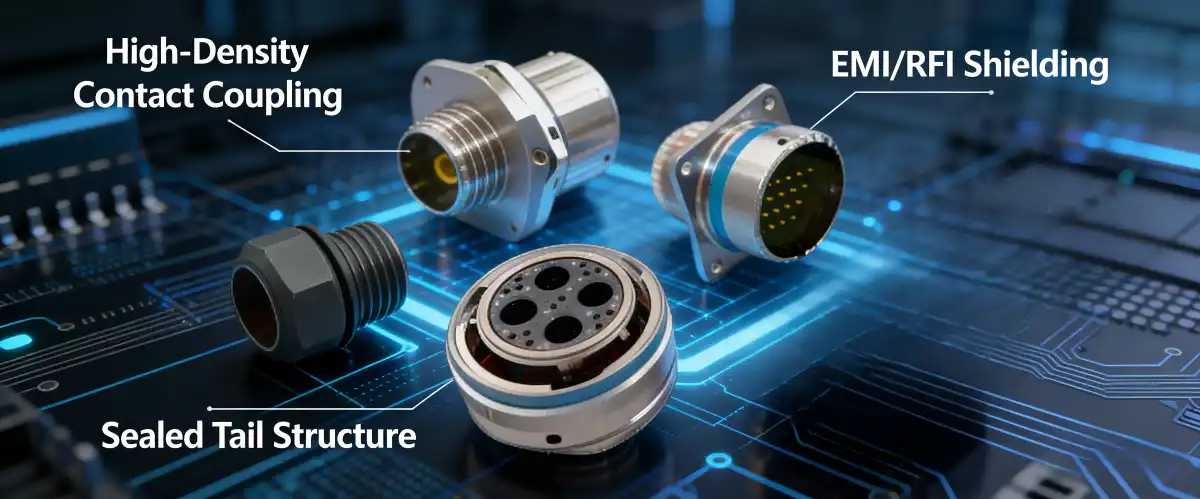
MIL-DTL-38999 connectors are the best military-grade connection technology available. They were designed to meet the strict needs of aircraft and defense uses. These circular connections meet strict military standards that make sure they work the same way in all kinds of tactical settings. There are different pin configurations on the sockets, from 2 to 128 contacts, so they can handle different types of signals, such as power, data, and RF.
The standard includes strict testing procedures that check how well the connector works in harsh circumstances. Temperature cycling tests make sure that the device works in all temperature ranges, and shaking and shock tests make it feel like it would in a real aerospace setting. Testing with salt spray makes sure that marine and seaside uses won't rust. These thorough testing methods make sure that every link meets the high standards needed for flight systems that are essential to mission success.
Shell Sizes and Materials for High-Reliability Applications
The connector series has different shell sizes that are identified by standard codes. This gives users options for working with limited space and meeting different contact needs. The shell can be made of a lightweight aluminum or a corrosion-resistant stainless steel, depending on the needs of the surroundings. The aluminum versions are great for saving weight in airplane uses, and the stainless steel versions are better at resisting corrosion in harsh sea settings.
Using advanced coating technologies, extra protection layers are added to the base materials to make them better. Nickel plating protects against rust at a basic level, and precious metal finishes make sure that the electrical performance is at its best. These mixtures of materials make connectors that work reliably for a long time, even when they are subject to harsh environmental circumstances.
Aerospace Use Cases and Technical Features
Connectors used in aerospace must be able to handle the unique problems that come up during flight, such as sudden changes in altitude, high temperatures, and electromagnetic interference. MIL-DTL-38999 circular connector solutions work great in aircraft systems where the safety of the flight depends on the purity of the signals. These links make sure that sensors, motors, and control computers can talk to each other accurately in flight control systems.
Communication equipment benefits from better EMI/RFI blocking qualities that keep signals from getting weaker in places with a lot of electromagnetic noise. The strong mechanical design can handle the shaking and shock loads that come up during takeoff, flying, and landing. These technical features work together to make a link method that flight engineers trust for their most important tasks.
How MIL-DTL-38999 Connectors Solve Aerospace System Challenges?
Environmental Conditions and Performance Demands
It is impossible for regular commercial connections to work in some of the harshest conditions that aerospace systems have to work in. Changes in altitude cause differences in pressure that can weaken the seal in standard connections. Changes in temperature from working on the ground to cruising at high altitudes put stress on materials and put the efficiency of connections at risk. Changes in humidity and exposure to different chemicals make environmental problems even more difficult to solve.
These problems can be solved by military standard connectors, which have advanced design features that keep working even in harsh circumstances. Modern seal technologies keep water out even when there are big differences in pressure. The choices of materials ensure that the dimensions stay the same over a wide range of temperatures. Chemical-resistant finishes keep things safe from fuels, hydraulic fluids, and cleaning solvents that are often used in aircraft.
Common Connector Failure Modes and Prevention
Knowing the different ways that connectors can fail helps buying managers choose the right options for each job. Corrosion is one of the most common ways things break, especially in salt water or when they are exposed to chemicals used to melt ice. When different metals touch each other in fluids, traditional connections may experience galvanic corrosion.
Failures caused by vibration happen when links become loose during operation because the locking devices aren't strong enough. Thermal cycling can make things expand and contract, which can put stress on solder joints and crimp connections. Dimensional mismatches can happen when specifications aren't followed properly, which can stop parts from fitting properly or cause links to break when they're under stress.
Design Innovations for Enhanced Durability
Many new features have been added to modern MIL-DTL-38999 circular connector designs that directly handle these failure modes. Modern seal designs use more than one blocking system to keep things safe, even if one seal part breaks. In harsh chemical conditions, corrosion-resistant metals and protective finishes keep materials from breaking down. Secure locking devices make sure that links stay together even when there is a lot of vibration and shock.
A big step forward in connector technology is the card-type quick connection device, which allows for safe mating with less force needed for entry. This design keeps the link strong in tight spaces while reducing wear on the contact areas. The anti-diagonal insertion function stops the mating from going in the wrong direction, which could damage the contacts or make the operation dangerous.
Comparing MIL-DTL-38999 to Other Circular Connector Standards
Performance Against Military Specifications
When looking at different connector choices for aerospace uses, comparing different military standards shows important differences that affect how well the system works. Even though MIL-C-26482 connectors are strong, they usually have fewer contacts and less safety from the environment than more current MIL-DTL-38999 designs. The updated standard takes into account what has been learned from decades of experience in the field, which has led to better seal designs and stricter material requirements.
Specifications have very different requirements for contact plating. For example, MIL-DTL-38999 has stricter requirements for the thickness of valuable metals that are used to ensure long-term electrical stability. The requirements for shell materials have changed over time to include new metals that are better at resisting rust while still being strong. Because of these changes, maintenance needs will go down and service times will get longer.
Commercial Alternatives and Their Limitations
Commercial connectors with an IP67 rating may look like they give the same level of environmental protection at a lower cost, but a closer look shows that they have major problems for aircraft use. Commercial standards don't always include the strict testing requirements needed to prove performance in aerospace circumstances. The standards for temperature cycling might not cover the wide range of temperatures that are found in flight activities. Protocols for vibration and shock tests are usually based on environments from the business world rather than space.
For business connectors, the material requirements may allow metals and finishes that aren't good enough for long-term use in aircraft. Contact retention forces might work fine in safe settings, but they might not be able to keep up with the stress cycles that happen in aircraft use. Because of these restrictions, upkeep costs may go up, and the system may break down more often, canceling out any initial cost savings.
Selection Criteria for Optimal Performance
Choosing between male and female connectors relies on the needs of the application and the limitations of the installation. The pin contacts on male connections are better protected because they usually mount on equipment panels. When used in wire systems, female connections are useful because the receptacle design keeps the contacts safe while they are being handled and stored. Choosing between single and double keying changes both the hardware security and the difficulty of the installation.
Here are the most important decision factors that people who work in aircraft procurement must look at:
• Levels of environmental exposure decide the seal grades and material requirements
• The amount of vibration and shock affects the requirements for the locking device and the contact retention specs.
• The temperature range needs to affect the choice of shell material and seal combination
• Installation room limits affect the choice of shell size and mating position.
• The ease of access to maintenance affects the choice of contact type and the planning of repair intervals.
With these selection factors, procurement teams can make sure that the connectors they choose meet aerospace quality standards and meet their unique working needs.
Procuring MIL-DTL-38999 Connectors: What B2B Buyers Should Know?
Global Sourcing Landscape and Supplier Evaluation
For military-specification connectors, the global market has well-known makers and dealers in Asia, Europe, and North America. Suppliers with a good reputation keep a lot of quality standards, such as ISO 9001 compliance and AS9100 aircraft quality management systems. With these certifications, you can be sure that the production methods meet the strict standards needed for aerospace uses.
When evaluating a supplier, you should look at their ability to make things, their quality processes, and their technical help infrastructure. Leading providers have aircraft departments with engineers who are experts in their fields. They spend money on high-tech assembly tools that can make joints with very tight tolerances. As part of their quality control systems, they have thorough testing methods that make sure they meet military standards.
Pricing Factors and Volume Considerations
The high cost of the MIL-DTL-38999 circular connector is due to the high-tech materials and precise production needed to meet military standards. Standard designs usually have the best prices because of economies of scale in production. Custom setups need technical help and special tools, which raises the cost per unit but gives the best performance for certain uses.
Larger amounts lead to bigger volume savings, and price breaks usually happen at 100, 500, and 1000 pieces. Making annual promises to output may help you get better prices and keep the supply chain stable. When purchasing things, managers should think about both short-term costs and the total cost of ownership over time, which includes costs for repairs and replacements.
Supply Chain Management and Risk Mitigation
To handle the supply chain well, you need to know how long it takes to make different types of products and plan ahead for that. Standard connections from well-known companies usually ship between two and four weeks. Depending on how complicated they are and how busy production plans are at the moment, custom configurations may take 8 to 12 weeks. Keeping smart inventory levels to make sure parts are available may help critical apps.
Some of the risks in the supply chain are missing parts, late shipments, and problems with quality. Diversifying your qualified suppliers gives you backup choices in case your main sources go down. When there are shortages, having long-term ties with suppliers makes it easier to talk to them and decide what to do first. These tactics help keep production on schedule and keep buying risks under control.
Leading MIL-DTL-38999 Connector Brands for Aerospace Systems
Established Manufacturers and Their Specializations
There are a number of well-known companies in the aircraft connector market that have been serving military and business aviation customers for decades. Amphenol Corporation is known for its creative connector designs and wide range of products that are used in a wide range of aircraft applications. Their manufacturing skills are spread out across several sites around the world, which gives their supply chain flexibility and the ability to provide regional support.
TE Connectivity uses cutting-edge materials science and production technologies to make links that work better than expected. They have technical teams that work closely with aerospace OEMs to make products that are perfect for each purpose. Glenair focuses on making links that work well in tough environments. They are especially good at these in military and space applications where dependability is very important.
Innovation and Customization Capabilities
Major companies put a lot of money into research and development to improve connection technology and meet new needs in the aircraft industry. Advanced modeling tools let seal designs and contact shapes be made better before a real prototype is made. New developments in material science keep making things lighter and better at withstanding rust and high temperatures.
Different makers have very different levels of customization options. Some are better at making standard goods in large quantities, while others are better at making custom solutions for small quantities. The best providers offer rapid prototyping, which lets customers quickly see how their unique designs work. Their engineering teams can change regular goods to fit the needs of specific customers without affecting their dependability or making delivery times longer.
Partnership Benefits and Technical Support
When you work with well-known connection makers, you can get a lot of professional help and application support. The people who work in the field, application engineers, know what aircraft systems need and can suggest the best way to set up connectors. Throughout the lifetime of a product, technical support includes design review services, installation training, and help with fixing problems.
Leading makers have quality assurance programs that go above and beyond what is required by specifications. They keep full traceability systems that keep track of goods from the time they are received until they are shipped out. With advanced testing tools, unique designs can be confirmed to work, and output consistency can be checked. These benefits of a relationship lower the risks of buying while ensuring the best system performance.
Conclusion
The MIL-DTL-38999 circular connector technology is the best choice for aircraft systems that need to be very reliable and work well. These military-grade links work great in the toughest conditions thanks to their high-tech materials, clever seal designs, and strict testing procedures. Standardized specs and the ability to make changes make it possible for aircraft engineers to make the best system designs while still meeting strict quality standards. People who work in procurement benefit from working with well-known producers that offer full technical help and a track record of being able to handle the supply chain. Buying good connectors is an investment that pays off with lower maintenance costs, longer service gaps, and more reliable systems that help the goal succeed.
FAQ
What temperature ranges can MIL-DTL-38999 connectors withstand?
MIL-DTL-38999 connectors work effectively in temperatures ranging from -65°C to +175°C. This means they can be used in harsh aircraft situations like those found at high altitudes and in the Arctic. The strong design keeps the electrical and motor functions even when temperatures change quickly.
Are customization options available for specific aerospace applications?
Yes, major makers allow for a lot of customization, such as changing shell sizes, contact setups, and materials that are made for specific uses. To make sure they meet military standards, custom solutions are put through the same hard testing procedures as standard goods.
How do these connectors perform under vibration and shock conditions?
MIL-DTL-38999 circular connector systems can handle the high vibration and shock loads found in aircraft applications thanks to their strong mechanical design and secure closing mechanisms. Performance under situations that aren't normal for flight operations is confirmed by military specification tests.
What EMI/RFI shielding effectiveness can be expected?
Modern EMI/RFI shielding designs are very good at blocking electromagnetic interference, which keeps signals working properly in places with a lot of electrical noise. The shielding works differently depending on the setup, but it always meets or beats the EMC standards for aircraft.
What are typical lead times for standard versus custom configurations?
Standard versions usually ship between two and four weeks from when they are stocked by the maker. Custom setups take longer to build and make, and wait times can be anywhere from 8 to 12 weeks, based on how complicated the configuration is and how busy production plans are at the moment.
Partner with MXTD for Reliable MIL-DTL-38999 Connector Solutions
Aerospace procurement professionals seeking a trusted MIL-DTL-38999 circular connector manufacturer can rely on MXTD's proven expertise and commitment to quality. Our GJB599B-compliant connectors deliver the reliability and performance that critical aerospace systems demand. With over 12 years of experience in precision connector manufacturing, MXTD provides both standardized and custom solutions that meet your exact specifications. Our responsive technical support team ensures rapid resolution of application questions, while our efficient supply chain capabilities minimize procurement risks. Contact our expert team at manager03@mxtdinfo.com to discuss your specific requirements and discover how MXTD can support your aerospace projects with industry-leading connector technology and exceptional customer service.
References
1. Department of Defense Interface Standard: Detail Specification for Connectors, Electrical, Circular, Miniature, High Density, Quick Disconnect, Environment Resistant, Removable Crimp Contacts, MIL-DTL-38999, Revision M.
2. Society of Automotive Engineers Aerospace Standard AS39029: Connectors, Electrical, Circular, Threaded Coupling, Environment-Resistant, Removable Crimp Contacts, General Specification.
3. Institute of Electrical and Electronics Engineers Standard 1478-2007: IEEE Standard for Circular Connectors for Aerospace Vehicle Electronic Systems.
4. Federal Aviation Administration Advisory Circular AC 43.13-1B: Acceptable Methods, Techniques, and Practices for Aircraft Inspection and Repair, Chapter 11: Electrical System Components.
5. European Space Agency Standard ECSS-E-ST-20-21C: Electrical Connector Handbook for Space Applications, Circular Connector Requirements and Testing Procedures.
6. Aerospace Industries Association National Aerospace Standard NAS1599: Circular Electrical Connector Performance Requirements for Commercial and Military Aircraft Applications.
Our customers’ satisfaction speaks for our quality — contact us to experience the same reliable service.