- English
- French
- German
- Portuguese
- Spanish
- Russian
- Japanese
- Korean
- Arabic
- Greek
- German
- Turkish
- Italian
- Danish
- Romanian
- Indonesian
- Czech
- Afrikaans
- Swedish
- Polish
- Basque
- Catalan
- Esperanto
- Hindi
- Lao
- Albanian
- Amharic
- Armenian
- Azerbaijani
- Belarusian
- Bengali
- Bosnian
- Bulgarian
- Cebuano
- Chichewa
- Corsican
- Croatian
- Dutch
- Estonian
- Filipino
- Finnish
- Frisian
- Galician
- Georgian
- Gujarati
- Haitian
- Hausa
- Hawaiian
- Hebrew
- Hmong
- Hungarian
- Icelandic
- Igbo
- Javanese
- Kannada
- Kazakh
- Khmer
- Kurdish
- Kyrgyz
- Latin
- Latvian
- Lithuanian
- Luxembou..
- Macedonian
- Malagasy
- Malay
- Malayalam
- Maltese
- Maori
- Marathi
- Mongolian
- Burmese
- Nepali
- Norwegian
- Pashto
- Persian
- Punjabi
- Serbian
- Sesotho
- Sinhala
- Slovak
- Slovenian
- Somali
- Samoan
- Scots Gaelic
- Shona
- Sindhi
- Sundanese
- Swahili
- Tajik
- Tamil
- Telugu
- Thai
- Ukrainian
- Urdu
- Uzbek
- Vietnamese
- Welsh
- Xhosa
- Yiddish
- Yoruba
- Zulu
What’s the temperature range of high-reliability military connectors?
High-reliability military connector systems are designed to endure high temperature ranges, normally ranging from -65 degrees Celsius to +200 degrees Celsius (-85 degrees Fahrenheit to +392 degrees Fahrenheit), with some specialized variations up to +260 degrees Celsius (+500 degrees Fahrenheit). The performance of these sturdy electrical connections components remains constant even when subjected to adverse external conditions, which would cause normal connectors to fail. Because of the remarkable thermal tolerance, mission-critical systems in the aerospace, military, and industrial automation industries are able to continue running successfully despite the extreme temperature variations. When choosing connections for applications that need uncompromising performance in demanding operating settings, it is necessary to have a thorough understanding of these temperature criteria.
Understanding High-Reliability Military Connectors and Their Temperature Range
Military-grade connections are the best way to connect two electrical devices because they are made for situations where failure is not a choice. Because these parts have to work in situations that would destroy commercial-grade alternatives, how well they handle temperature is a very important standard.
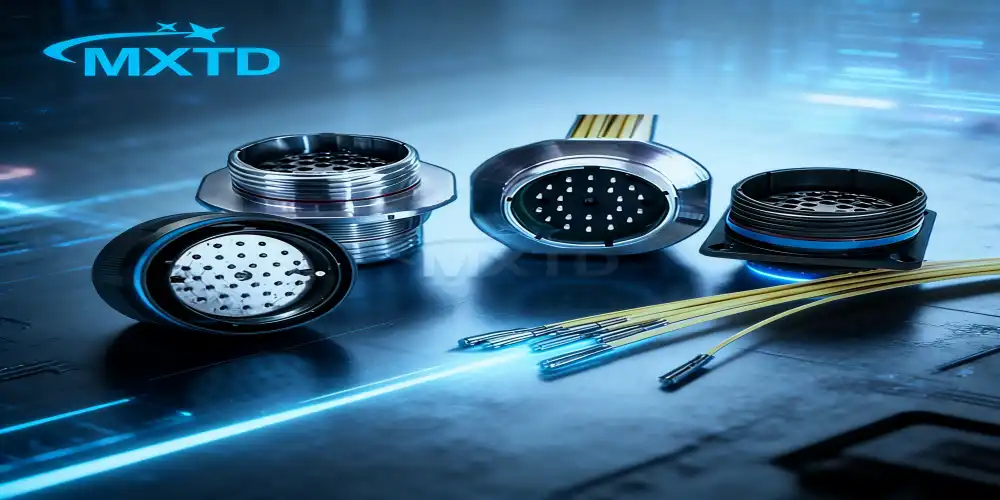
What Defines High-Reliability in Military Connectors
Standard and high-reliability connectors are different in the materials they are made of, how they are made, and how they are tested. Specifications from the military, like MIL-DTL-38999 and MIL-DTL-26482, set high standards that these parts must meet. According to these standards, connectors must keep their electrical connections and mechanical stability in temperatures ranging from very cold to very hot, like inside jet engines.
High-reliability versions go through extra screening steps, such as thermal cycle tests, which put parts through repeated temperature changes to find possible failure modes. This thorough testing makes sure that the system always works right in mission-critical situations where a broken connection could put the whole system at risk.
Temperature Range Classifications and Performance Standards
Depending on what they are used for, military connections are put into different temperature groups. Standard military links can work in temperatures ranging from -55°C to +125°C, but high-reliability versions can work in much wider temperatures. Performance is usually needed between -65°C and +200°C in aerospace uses. In some cases, performance is needed up to +260°C.
Electrical properties like contact resistance, shielding resistance, and dielectric strength are all directly affected by temperature performance. As temperatures rise, the materials that make up the contacts may expand, which could weaken the link. On the other hand, extreme cold can break down things and make them less flexible. It is very important to understand these thermal effects when choosing connections for uses that need to work at high temperatures.
Key Design and Material Considerations for Temperature Resistance
High-reliability military connectors work very well at high temperatures because they are made with high-quality materials and use new design methods that deal with all thermal issues.
Advanced Materials for Thermal Stability
When it comes to temperature efficiency, contact materials are very important. The contacts that are gold-plated don't rust and keep their low resistance across a wide range of temperatures. Base contact material, which is usually beryllium copper or phosphor bronze, provides the mechanical strength and electrical conductivity needed for links to stay strong when heated up.
Insulator materials must keep their dielectric properties even at very high or very low temperatures and not break down when heated. The needed temperature stability is provided by high-performance thermoplastics, ceramics, and specific composite materials. These materials don't expand or shrink when heated or cooled, which could damage seals or put stress on touch systems.
Shell materials like aluminum alloys, stainless steel, and special plastics keep the structure strong and control how much the material expands when it gets hot. To keep stress from building up in one place, which could cause a mechanical failure, the coefficient of thermal expansion of each part must be carefully matched.
Environmental Sealing and Thermal Management
Extreme temperature changes make it harder to protect the surroundings effectively. When temperatures are low, elastomeric seals must stay flexible. When temperatures are high, they must not break down. Silicone and fluorocarbon elastomers can handle the right range of temperatures and still seal well against dust, moisture, and other contaminants.
Heat sinks, thermal barriers, and special coatings are some of the thermal management features that help keep delicate parts safe from high temperatures. These design features spread heat out evenly and stop hot spots from forming in one place, which could hurt the performance or life of the connector.
Comparing Temperature Performance: High-Reliability vs Standard Military Connectors
When you look at how well they work in different temperatures and environments, you can really tell the difference in performance between normal and high-reliability military plugs.
Performance Differences Across Temperature Ranges
Standard military plugs work effectively in temperatures ranging from -55°C to +125°C, which means they meet basic military requirements for most uses. High-reliability versions often work from -65°C to +200°C or even higher, which is a big increase in these temperature ranges. This longer range makes it possible to use it in more difficult situations, like space systems, high-performance airplanes, and industrial processes that need to work at very high temperatures.
Along with better performance at higher temperatures, the electrical steadiness has also been improved across the entire working range. Even when the temperature changes a lot, high-reliability connectors keep their contact resistance and insulation resistance the same. This keeps signals in sensitive measurement and control systems intact.
Application-Specific Requirements and Solutions
Connectors used in aerospace must be able to handle the thermal cycle that happens during air flight, where temperatures can vary dramatically within short timeframes. Engine compartment applications may experience continuous high temperatures combined with vibration and shock, requiring specialized connector designs optimized for these conditions.
In wartime settings, ground vehicles have to deal with a number of problems, such as being exposed to high temperatures for long periods of time and being loaded with electricity, which creates more heat. These problems can be solved by high-reliability connections that use better materials that keep working even when they are under a lot of electrical and heat stress.
Practical Procurement Considerations Related to Connector Temperature Range
To buy temperature-resistant, high-reliability military connectors successfully, you need to know both the technical specs and the supply chain issues that affect the project's success.
Specification Development and Supplier Selection
To make detailed specs, you need to carefully look at the working environment, which includes the highest and lowest temperatures, the rate of thermal cycling, and the length of time the system will be exposed to these temperature extremes. These factors must be made clear to suppliers so that the right connectors can be chosen and tested.
When it comes to their ability to provide links for users who need to work in extreme temperatures, suppliers vary a lot. For military and aerospace uses, the documents and validation that are needed can be provided by well-known companies with large testing centers and quality systems. When working with specialized, high-reliability parts that may have longer lead times, supply chain stability is very important.
Cost-Performance Balance and Long-Term Considerations
Cost-performance research is important because high-reliability connectors cost more than normal military versions. The initial investment must be weighed against the total cost of ownership, which includes the cost of repair, the time the system is down, and the task could be affected if a connector fails.
Customization choices let you make sure that the specs of a connection are perfect for your needs, which could lower costs while still meeting performance standards. When you work with providers who offer both standard goods and the ability to customize them, you have more options for balancing cost and performance needs.
Testing and Maintaining Military Connectors for Optimal Temperature Performance
Comprehensive testing and upkeep plans make sure that high-reliability military connectors keep meeting temperature performance standards for as long as they are used.
Validation Testing Protocols
In thermal cycle tests, connectors are put through repeated changes in temperature to make sure they will work well in the long run. For these kinds of tests, the electrical performance factors are watched while hundreds or thousands of cycles happen between certain temperature limits. Thermal shock testing checks how well a connection can handle sudden changes in temperature that might happen in the field.
Environmental chamber testing confirms performance at long-term temperature variations while putting connections through other environmental stresses like shaking, humidity, and electromagnetic interference. These combined stress tests give you trust in how well something will work in the real world, where many environmental factors will be at play.
Maintenance and Inspection Procedures
Protocols for regular inspections help find early signs of heat decline before they cause failure. Discoloration, cracks, or warping that show heat stress can be seen with the naked eye. Electrical testing, which includes measuring contact resistance and checking insulation resistance, gives a precise picture of the state of the connection.
Schedules for preventive maintenance should take into account how the joints have been heated and cooled in the past. Units that have been exposed to high temperatures should be inspected more often. When installing and maintaining things on connectors, the right way to store and handle them keeps them from getting too hot.
Conclusion
Military links that are very reliable and can work in temperatures as low as -65°C and as high as +200°C are important parts for systems that are needed for missions. Their great heat performance comes from using high-tech materials, unique design features, and strict testing methods that make sure they work reliably in harsh situations. When you know about temperature requirements, material concerns, and performance trade-offs, you can make smart purchasing choices that balance cost with reliable needs. When checking and keeping things the right way, they last longer and keep up performance standards that are important for military and aerospace uses.
FAQ
1. What is the maximum temperature rating for high-reliability military connectors?
For normal uses, high-reliability military plugs can work up to +200°C (+392°F); some special versions can go up to +260°C (+500°F). The exact number is based on the type of connector, the materials used, and the needs of the intended purpose.
2. How do MIL-DTL-38999 and MIL-DTL-26482 temperature specifications differ?
Most of the time, MIL-DTL-38999 connectors are more reliable and can handle a wider range of temperatures than MIL-DTL-26482 connections. It is possible to work in hotter or cooler settings because the 38999 guideline has stricter testing requirements and material standards.
3. Can military connectors withstand thermal cycling in aerospace applications?
Yes, high-reliability military connections are made and tested to meet the thermal cycling needs of aircraft. They go through a lot of thermal shock and cycle tests to make sure they work well in conditions with quick temperature changes that happen during flight operations.
Partner with MXTD for High-Reliability Military Connector Solutions
MXTD specializes in making military connectors that are reliable and can work in settings with high temperatures. PXIe frames, precision ports, and integrated testing systems that meet strict military standards are all in our wide range of products. With more than 12 years of experience in the field, we offer both standard and unique solutions, backed by quick technical help and tried-and-true quality systems. Our goods are very compatible with industry standards and are also very cost-effective for buying managers who are looking for high-reliability military connector providers. Get in touch with our expert team at manager03@mxtdinfo.com to talk about your temperature-critical link needs and find the best way to buy them.
References
1. Military Specification MIL-DTL-38999: Connectors, Electrical, Circular, Miniature, High Density, Quick Disconnect, Environment Resistant, Removable Crimp and Hermetic Solder Contacts
2. Institute of Environmental Sciences and Technology (IEST): Environmental Testing Standards for Military and Aerospace Connectors
3. Society of Automotive Engineers (SAE): AS39029 Connector and Cable Assembly Standard for Aerospace Applications
4. Defense Logistics Agency: Military Connector Reliability and Temperature Performance Guidelines
5. IEEE Standards Association: Military Connector Environmental Testing and Temperature Classification Methods
6. American Society for Testing and Materials (ASTM): Temperature Cycling Test Methods for Electronic Connectors in Military Applications
Our customers’ satisfaction speaks for our quality — contact us to experience the same reliable service.