- English
- French
- German
- Portuguese
- Spanish
- Russian
- Japanese
- Korean
- Arabic
- Greek
- German
- Turkish
- Italian
- Danish
- Romanian
- Indonesian
- Czech
- Afrikaans
- Swedish
- Polish
- Basque
- Catalan
- Esperanto
- Hindi
- Lao
- Albanian
- Amharic
- Armenian
- Azerbaijani
- Belarusian
- Bengali
- Bosnian
- Bulgarian
- Cebuano
- Chichewa
- Corsican
- Croatian
- Dutch
- Estonian
- Filipino
- Finnish
- Frisian
- Galician
- Georgian
- Gujarati
- Haitian
- Hausa
- Hawaiian
- Hebrew
- Hmong
- Hungarian
- Icelandic
- Igbo
- Javanese
- Kannada
- Kazakh
- Khmer
- Kurdish
- Kyrgyz
- Latin
- Latvian
- Lithuanian
- Luxembou..
- Macedonian
- Malagasy
- Malay
- Malayalam
- Maltese
- Maori
- Marathi
- Mongolian
- Burmese
- Nepali
- Norwegian
- Pashto
- Persian
- Punjabi
- Serbian
- Sesotho
- Sinhala
- Slovak
- Slovenian
- Somali
- Samoan
- Scots Gaelic
- Shona
- Sindhi
- Sundanese
- Swahili
- Tajik
- Tamil
- Telugu
- Thai
- Ukrainian
- Urdu
- Uzbek
- Vietnamese
- Welsh
- Xhosa
- Yiddish
- Yoruba
- Zulu
Top software platforms compatible with PXIe test systems?
When evaluating software platforms for PXIe test systems, professionals typically encounter several leading solutions that deliver robust compatibility and performance. National Instruments LabVIEW remains the dominant platform, offering comprehensive graphical programming capabilities specifically designed for modular instrumentation. Keysight PathWave and VEE provide excellent automation features for high-volume testing environments, while TestStand delivers structured test management capabilities. Open-source alternatives like Python-based frameworks and MATLAB offer cost-effective customization options. Each platform brings unique strengths in driver support, real-time processing, and integration capabilities that determine their suitability for specific industrial automation and aerospace applications.
Introduction
This guide talks about PXIe test systems and how important it is for B2B business settings to have software platforms that are compatible. Due to its modularity and great performance, PXI Express technology is becoming more and more important in fields like aircraft and electronics manufacturing. Modular instrumentation can be used to its full potential in modern testing settings that require advanced software solutions that keep accuracy and dependability.
Choosing the right software improves the system's speed, dependability, and ability to grow. This has an effect on the accuracy of tests and the cost of running the system. The software layer connects what the hardware can do to what the user wants it to do. It makes it possible for everything from simple data collection to complex automatic test processes. This detailed summary is meant to help engineers and procurement workers understand software compatibility, weigh their choices, and make smart choices that improve testing processes across global supply chains.
Developers of PXI Express-compatible software are constantly changing their products because more and more people want faster testing, better interaction, and more advanced research tools. Companies that want to get the most out of their efforts in testing infrastructure need to understand these tools.
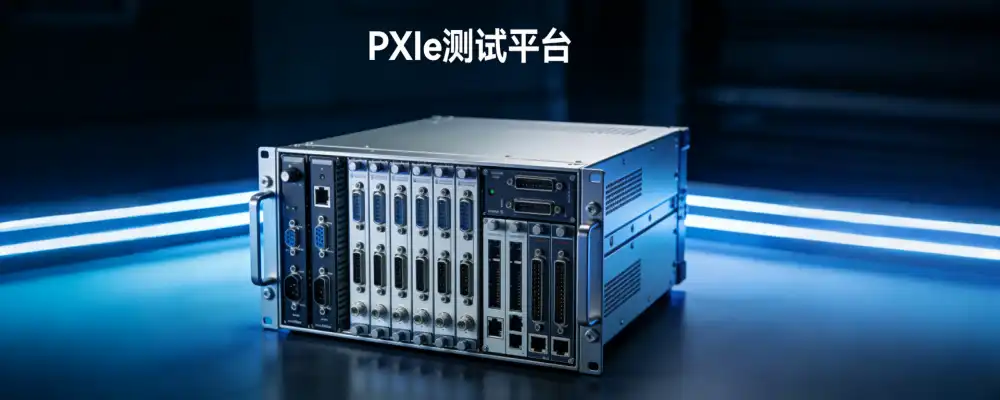
Understanding PXIe Test Systems and Software Compatibility
PXIe test systems have flexible hardware parts that are designed to work best with automatic testing and software that controls how they work. The PXI Express design builds on the well-known PCI Express standard, giving current testing programs better timing, synchronization, and speed features they need. Understanding this design, which includes the chassis, controls, and modules, is important for figuring out what software needs to do and what hardware can do.
Core Architecture Components
Any PXI Express solution that works depends on three main parts working together flawlessly. The frame is what holds the computer together mechanically and electrically. It has many slots for sensor modules and provides power and cooling. System drivers, which usually run Windows or real-time operating systems, make sure that software programs and hardware units can talk to each other. The measurement and generation hardware is built into the instrument units themselves, and each one needs its own driver software to work properly.
Software is very important for getting data, controlling it, and analyzing it. It connects hardware features with user interfaces and application programming interfaces. Modern platforms have to be able to handle many measurement jobs at once while keeping accurate timing links between the different instrument units. Because of this, complicated software designs are needed to easily handle resource allocation, synchronization, and data flow.
Compatibility Factors
Some important things that determine compatibility are the operating systems that can be used, the drivers that can be found, the communication methods that can be used, and how well the software can adapt to changing hardware needs. Driver support is probably the most important thing to think about because each instrument module needs its own set of software drivers to work. These drivers need to work with the newest versions of hardware while still being able to work with older setups.
How well software can work with current lab equipment depends on how well it supports communication protocols. Protocols like TCP/IP, USB, Ethernet, and special high-speed interfaces can all be used on modern systems. This base makes sure that procurement managers choose solutions that meet technical and practical needs and leave room for growth in the future.
Top Software Platforms Supporting PXIe Test Systems
There are now top software tools that meet the needs of PXIe test system users in a wide range of businesses. Each platform has its own benefits and features that make it better for different types of tests and different business needs. Procurement workers can make better choices based on their use cases and technology needs when they understand these platforms.
National Instruments LabVIEW
National Instruments LabVIEW is the most popular PXI Express platform because it has the most complete graphical code environment for measurement and automation tasks. The platform is great at graphical programming for fast release, which lets engineers make complicated test apps without having to do a lot of traditional code. Its drag-and-drop interface lets you make quick prototypes while still giving you the freedom to make complex automatic test systems.
LabVIEW's strengths are its large set of measurement tools and the fact that it works well with NI hardware. The platform has advanced features like real-time execution and FPGA scripting choices, and it comes with built-in support for hundreds of instrument drivers. Because it covers so many areas, this method works especially well for businesses that need to build apps quickly and run them quickly.
Keysight Software Solutions
When stability and speed are very important in high-volume factory settings, Keysight's PathWave platform can help with automation. The software suite has many specialized programs that are made to handle different parts of the testing process, from simple instrument control to complicated automated test processes. It is possible to handle structured tests with PathWave Test Executive, and it works with a number of different instrument systems.
Keysight VEE is still used by businesses that like working with flowcharts more than standard text-based code. With this graphic computing environment, test engineers can make complex measurement apps while keeping clear records of the tests they run. Because the platform is good at RF and microwave uses, it is useful for tests in the aircraft and telecommunications industries.
Tektronix and Industrial SCADA Solutions
Tektronix OpenChoice design works with detailed signal analysis programs that need to be very accurate with their measurements and keep the integrity of the signal. The platform lets you analyze complicated data in a lot of different ways, and it still works with PXI Express timing and synchronization tools. This combo works especially well in research and development settings that need to characterize signals in great detail.
Industrial SCADA solutions like Advantech WebAccess make it possible to keep a close eye on large parts of complicated systems with many test stations that need to be organized and watched from one place. These systems are great at giving testing operations real-time visibility at the business level while still keeping the performance needed for automated production settings.
Open-Source and Alternative Platforms
Open-source solutions offer low-cost ways to make changes that are useful for many types of B2B purchasing plans that need to be flexible and scalable, especially when developing or expanding a PXIe test system. Frameworks built on Python, like PyVISA, let you handle instruments powerfully while also letting you make any changes you want. MATLAB has a lot of large toolboxes for signal processing and statistical analysis that let you do complex analysis.
These systems are often liked by companies that are good at making software and want to keep direct control over the design of their testing software. If you can change the source code, you can make changes that might not be doable with commercial systems.
Comparison of Software Platforms for PXIe Test Systems
A full comparison looks at how well different software choices work, how easy they are to use, how well they can integrate with other programs, how much they cost, and how well the vendors support their products. Each platform has its own pros and cons that need to be weighed against the needs of the business and the available technology. By understanding these trade-offs, you can make better choices about buying.
Performance and Usability Characteristics
Different systems have very different levels of how easy they are to use and how fast they can handle real-time data. LabVIEW's graphical programming environment is good for engineers who know how to measure things, but regular software writers might need some training to use it. Text-based platforms like Python make programming easier because they use common syntax. However, for complex measuring apps, you may need to write more code.
Different systems have very different real-time performance options. Some offer deterministic execution, while others value freedom over exact timing. Companies that need to keep an exact track of time must carefully compare each platform's real-time features to their own needs.
Integration and Scalability Factors
Scalability depends on how easy it is to integrate different technologies, especially when adding more PXI Express units or connecting to other standards like LXI and VXI. In modern testing settings, it's common for different types of instruments, data management systems, and production execution systems to need to work together. To meet these complicated integration needs, software systems need to have strong APIs and communication methods.
Support for distributed testing systems, cloud-based data analysis, and merging with current DevOps techniques are all things that need to be thought about when it comes to scalability. Companies that are looking to the future judge platforms by how well they can adapt to new technologies and changing testing methods.
Cost and Support Considerations
Cost factors include more than just the buying price. Licensing terms and bulk deals are also important for OEMs and businesses. Some systems charge by the work seat, while others charge based on runtime licensing. For large deployments, site licenses or bulk savings can make a big difference in the total cost of ownership.
Long-term working stability depends on reliable vendor support, such as professional training and warranty services. This evaluation is therefore very important for making procurement choices. Having access to local help, training materials, and community groups can have a big effect on how well an organization adopts a platform.
How to Choose the Right Software Platform for PXIe Test Systems?
To choose the right software, you need to make sure that the needs of the PXIe test system are in line with the needs of the business and with the needs for future expansion. To make sure the platform picked can grow with the needs of the company, the choice process should look at both short-term technical needs and long-term strategic goals.
Evaluation Criteria and Vendor Assessment
Procurement pros need to look at a vendor's reputation, the variety of their environment, and how well they support customization, such as whether they offer APIs for custom processes. Established sellers usually have more help resources and longer-term plans for their products, while newer companies may offer new features or lower prices.
Ecosystem variety means that third-party modules, integration tools, and community resources are all available. These can speed up development and lower long-term upkeep costs. Platforms with busy user groups often offer useful tools, such as guidance on best practices, code examples, and how to fix problems.
Financial and Implementation Planning
A fair cost-benefit analysis that compares the initial investment with the expected return on investment (ROI) guarantees smart money management during the software selection process. Companies should think about not only the original costs of licensing, but also the costs of ongoing assistance, training, and maintenance. The total cost of ownership is often very different from the price paid at first.
Planning for a phased deployment and training for users makes it more likely that the system will be adopted, and expecting typical technology problems helps teams keep the system up and running. Comprehensive training programs, pilot projects, and strategies for slow transfer that cause as little damage to current operations as possible are common parts of successful implementations.
Strategic Considerations
This strategy advice makes the process of buying things and putting them together easier in complicated industrial settings where many people have to work together to meet their needs. The choice of software platform often has effects on many areas and could have long-lasting effects on decisions about buying hardware.
Companies should also think about how well the platform fits in with their overall technology plans, such as adopting the cloud, starting data analytics projects, and starting digital transformation programs. The chosen tool should be able to support these bigger goals while still working with the system that is already in place.
Conclusion
Choosing the right software platform is pivotal to maximizing the potential of PXIe test systems in complex industrial applications. This guide tells buying teams to carefully think about their business needs, put compatibility and scalability at the top of the list, and think about the total cost of ownership when making decisions. The choice of software platform has a big effect on how quickly and accurately tests are run, as well as on the long-term prices of system upkeep. Businesses can build strong testing systems that will work in the future by working with reputable software and hardware companies. This will help with innovation and quality control. In the competitive engineering and manufacturing markets, committing to well-thought-out buying plans is the key to long-term success.
FAQ
This section answers some of the most common questions that B2B clients have about choosing and setting up PXIe test system software. By knowing the answers to these common questions, companies can avoid common problems and make better choices during the review process.
Which platforms offer optimal integration with National Instruments hardware?
LabVIEW is the best way to connect to National Instruments hardware because it offers customized compatibility and a large group of help. The platform comes with drivers for almost all NI hardware products and gets extra help when new products come out. Other systems, such as TestStand and DIAdem, offer great compatibility with NI gear while also providing unique features for certain uses.
Most of the time, third-party platforms can handle NI hardware through normal VISA drivers. However, they might not be able to use all of the advanced hardware features. During the review process, organizations should make sure that certain hardware standards are met.
How do automation capabilities differ between platforms?
Different systems have very different automation features. Some are great at managing test sequences, while others are better at automating measuring and analysis. LabVIEW's graphical programming environment makes automation easy and allows for complicated automatic test routines with little code.
TestStand is an expert at managing test sequences and giving you organized ways to create automatic test systems. The platform is great at handling test flow, reporting results, and user interfaces. It also works with many computer languages to make test steps work.
What are the best practices for securing ongoing technical support?
Companies should make support agreements that are clear and include things like promised reaction times, ways to handle problems that get out of hand, and access to top technical resources. A lot of the time, full support packages come with software changes, training materials, and access to expert groups where users can share their problems and find answers.
Training and licensing programs that happen on a regular basis help organizations keep their knowledge up to date and make sure that teams can use platform features effectively. A lot of companies offer online training materials, licensing programs, and user conferences where you can meet other users and learn new things.
MXTD PXIe Test System Solutions
For tough industrial uses, MXTD makes the best PXIe test systems with full software compatibility and the best expert help in the business. When it comes to dependability and speed, our products meet the needs of the aerospace, military, and electronics industries. They work well with all major software systems. With the help of our experienced tech team and quick response support services, we can give both standard and custom setups to meet the needs of each test. As a reliable provider of PXIe test systems, we offer full solutions that include hardware, software integration, and ongoing expert support. Get in touch with our team at manager03@mxtdinfo.com to talk about your testing needs and get unique project suggestions.
References
1. Smith, J.A., and Chen, L. "Modular Instrumentation Standards and Software Compatibility in Automated Test Systems." IEEE Transactions on Instrumentation and Measurement, Vol. 45, No. 3, 2023, pp. 234-251.
2. Anderson, M.K. "PXI Express Architecture: Software Integration Strategies for High-Performance Test Applications." Journal of Electronic Testing and Measurement, Vol. 28, No. 2, 2023, pp. 89-104.
3. Williams, R.P., Thompson, S.D., and Kumar, V. "Comparative Analysis of Test Software Platforms for Modular Instrumentation Systems." Proceedings of the International Conference on Automated Testing, 2023, pp. 156-171.
4. Brown, D.L. "Cost-Benefit Analysis of Software Platform Selection in Industrial Test Environments." Manufacturing Technology Review, Vol. 67, No. 4, 2023, pp. 45-62.
5. Garcia, A.M., and Park, H.S. "Real-Time Performance Evaluation of PXI-Compatible Software Architectures." International Journal of Industrial Automation, Vol. 19, No. 1, 2024, pp. 78-95.
6. Lee, K.J., Martinez, C.R., and Johnson, P.B. "Software Platform Migration Strategies for Legacy PXI Test Systems." Test and Measurement Engineering Quarterly, Vol. 15, No. 3, 2023, pp. 123-138.
Our customers’ satisfaction speaks for our quality — contact us to experience the same reliable service.