- English
- French
- German
- Portuguese
- Spanish
- Russian
- Japanese
- Korean
- Arabic
- Greek
- German
- Turkish
- Italian
- Danish
- Romanian
- Indonesian
- Czech
- Afrikaans
- Swedish
- Polish
- Basque
- Catalan
- Esperanto
- Hindi
- Lao
- Albanian
- Amharic
- Armenian
- Azerbaijani
- Belarusian
- Bengali
- Bosnian
- Bulgarian
- Cebuano
- Chichewa
- Corsican
- Croatian
- Dutch
- Estonian
- Filipino
- Finnish
- Frisian
- Galician
- Georgian
- Gujarati
- Haitian
- Hausa
- Hawaiian
- Hebrew
- Hmong
- Hungarian
- Icelandic
- Igbo
- Javanese
- Kannada
- Kazakh
- Khmer
- Kurdish
- Kyrgyz
- Latin
- Latvian
- Lithuanian
- Luxembou..
- Macedonian
- Malagasy
- Malay
- Malayalam
- Maltese
- Maori
- Marathi
- Mongolian
- Burmese
- Nepali
- Norwegian
- Pashto
- Persian
- Punjabi
- Serbian
- Sesotho
- Sinhala
- Slovak
- Slovenian
- Somali
- Samoan
- Scots Gaelic
- Shona
- Sindhi
- Sundanese
- Swahili
- Tajik
- Tamil
- Telugu
- Thai
- Ukrainian
- Urdu
- Uzbek
- Vietnamese
- Welsh
- Xhosa
- Yiddish
- Yoruba
- Zulu
How Does a MIL-DTL-38999 Circular Connector Work?
A MIL-DTL-38999 circular connector operates through precision-engineered contact mechanisms that create secure electrical pathways between mating components. These military-grade connectors utilize threaded coupling rings, hermetic seals, and spring-loaded contacts to maintain reliable connections under extreme environmental conditions. The connector's bayonet or threaded locking system ensures positive retention while EMI/RFI shielding protects signal integrity. Multiple contact arrangements accommodate various pin configurations, enabling versatile applications across aerospace, defense, and industrial automation systems where mission-critical performance demands unwavering reliability.
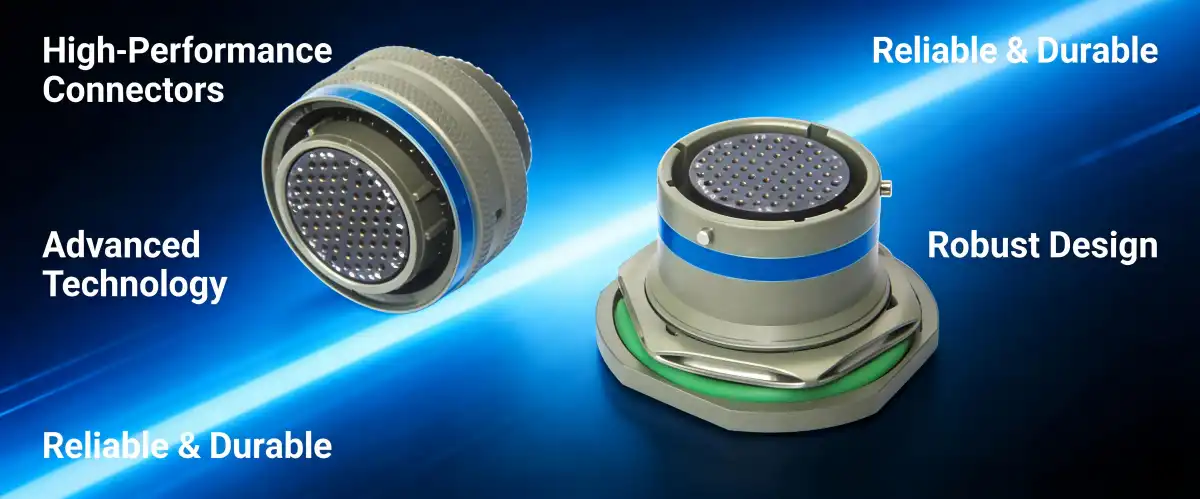
Understanding MIL-DTL-38999 Circular Connector Specifications
Military specification connections are the most reliable connectors on the market. They are made to work in the harshest conditions. That's why the MIL-DTL-38999 circular connector standard covers a lot of different requirements for materials, performance, and testing methods. These make sure that the connectors always work the same way, even when they're exposed to high temperatures, vibrations, and other environmental conditions.
Pin Configuration and Shell Design Parameters
The standard lists different shell sizes, from 8 to 25, each with a different number of pins and contact arrangements. The number of contacts that can fit in a shell is directly related to its size; bigger shells can hold more pins. There are different types of contact layouts, such as standard, high-density, and mixed setups, which combine power and data contacts in one connector assembly.
Standardized layouts for pin configurations make it possible for products from different makers to be used interchangeably while keeping the same level of electrical performance. The circular design makes the best use of room and makes sure that current flows evenly across all contacts. Contact spacing meets strict standards for voltage separation and current carrying capacity, making it useful for a wide range of tasks, from sending low-level signals to distributing large amounts of power.
Environmental Durability and Material Selection
MIL-DTL-38999 circular connector from -65°C to +125°C, so it can be used in harsh environments and high-temperature situations. This wide working range is useful for aerospace uses where parts' temperatures change a lot while they're in flight. The standard calls for materials that keep their mechanical and electrical qualities over this whole range of temperatures.
Picking materials is based on how well they resist corrosion and how long they last mechanically. The shells made of aluminum metal are strong and lightweight, even when they are put under a lot of mechanical stress. Stainless steel choices are better at resisting corrosion in chemical and marine settings. Gold-plated copper alloys are often used in contact materials because they don't rust and provide low-resistance electrical lines.
Certification Standards and Compliance Requirements
To meet military standards, products must go through strict testing procedures that check their success in real-life combat situations. Some of these tests are resistance to shaking, shock, temperature changing, and exposure to humidity. Each connector must keep working the same way through a certain number of test rounds, with no changes to its electrical or mechanical features.
Quality assurance methods include ways to track down materials, keep an eye on the manufacturing process, and do a final check. Documentation standards make sure that everything can be tracked, from the raw materials to the finished product. This all-around method gives buying workers peace of mind about the reliability of the products they buy and their compliance with regulations.
How MIL-DTL-38999 Circular Connectors Work: Core Principles and Mechanism
The main idea behind military-grade circular connectors is to make sure that electrical links are stable and stay solid even in tough situations. Engineers can choose the best connector configurations and improve system efficiency by understanding these processes.
Electrical Contact Mechanisms and Connection Reliability
The contact system of a circle connector is what makes and keeps the electrical connection between two parts that fit together. To account for changes in temperature and mechanical limits, spring-loaded contacts apply uniform pressure to mating contacts. This spring-like action keeps the electricity flowing even when parts' sizes change because of changes in temperature.
Contact shape is a very important part of how reliable a link is. The interface areas of pin and socket contacts are carefully built to maximize contact pressure while reducing wear. The contact link has many contact points that distribute the current load and offer extra electrical lines. This way of designing makes sure that the system will keep working even if some of the touch points break down.
Crimped contact connections keep wire conductors securely attached and allow for repairs and upkeep to be done in the field. This MIL-DTL-38999 circular connector has contacts that can be taken off and replaced separately, so the whole connector unit doesn't have to be thrown away. This feature makes the product easier to service, which lowers long-term upkeep costs and speeds up fixes in the field.
Locking Systems and Mechanical Retention
Mechanical attachment systems make sure that the link stays strong even when there is shaking and mechanical stress. Bayonet locking devices make it easy to connect and separate quickly while still keeping things securely in place. The bayonet system needs to be partially rotated to engage the locking mechanisms. This keeps the two pieces from coming apart by mistake but lets them be separated on purpose.
When a solid mechanical link is needed, threaded coupling systems offer the highest retention strength. The threaded contact spreads mechanical loads across the whole connection ring, making it more resistant to pull forces. The thread pitch and engagement length are set to make sure that the holding strength is good and that the engagement force is acceptable.
Safety wire features give more technical security in serious situations. Coupling rings have wire holes that let you place safety wires that stop the link from rotating or breaking. In airplane and spaceship uses where connector separation could mean mission failure, this extra security step is very important.
Sealing Technologies and Environmental Protection
Environmental sealing keeps water, dust, and chemicals from getting into internal parts. In primary seals, O-rings press together between the shell parts that are joining, making a barrier that keeps outside air out. The materials used to make O-rings are chosen based on how well they work in the expected temperature ranges and weather circumstances.
Cable sealing stops water from getting into cables through their entry points. Compression glands make tight seals around cable jackets and can work with cables of different sizes. The closing system stays strong even after many times of putting together and taking apart connectors, protecting the surroundings all the time.
Interface sealing between links that fit together keeps touch areas from getting dirty. Face seals make shields that keep out wetness and particulate contamination while still letting electricity flow. These seals keep working even after many mating cycles, which helps with upkeep work without hurting environmental protection.
Comparing MIL-DTL-38999 to Alternative Circular Connectors
To choose the right connector, you need to know how the performance of different military and business standards is different. Because each standard is tailored to a different set of conditions and needs, it is important to compare them carefully in order to make the best purchasing choices.
MIL-DTL-38999 versus D38999 Designation Differences
The connection between the designations MIL-DTL-38999 and D38999 often leads to confusion in purchase requirements. The full military standard paper, MIL-DTL-38999, spells out all the rules for designing, testing, and making sure that connectors work. In this standard, D38999 is the connection designation method that tells you what kind of connector you have.
Understanding this difference makes part naming systems easier to understand and makes sure that purchase specs are correct. The D38999 number includes information about the shell size, the order of contacts, and other configuration details that make each version of the connector distinct. This methodical approach lets you be very specific about the connection needs while still allowing different makers to work together.
Commercial connections that are marked with the number D38999 might not fully meet the standards of MIL-DTL-38999. Commercial versions often leave out testing steps or material needs that are expensive and raise the cost of production. It should be very clear in the procurement specs whether full military specification compliance is needed or if business equivalents are fine.
Performance Comparison with MIL-C-5015 Standards
The MIL-C-5015 standard is an older military connection guideline that sets many basic design rules. Both standards are for military uses, but MIL-DTL-38999 circular connector systems work better in a number of important ways. The ability to close against the environment goes beyond what is required by MIL-C-5015, making it more resistant to wetness and contamination.
More connections can be made within the same shell size thanks to better contact density. This lets complex system designs work with fewer connectors. Higher pin densities help save room and weight, which are very important in aerospace uses. Signal integrity performance is improved by better contact and protection design that reduces electromagnetic interference.
Improvements in temperature performance make the operating ranges bigger than what MIL-C-5015 can handle. These changes help modern applications that need to work in very hot or very cold situations. The new materials used in MIL-DTL-38999 standards make them more resistant to rust and last longer.
Commercial Connector Alternatives and Trade-offs
When you don't need to fully comply with military specifications, commercial circular connections are a cheaper option. These replacements might use similar mechanical designs but don't need the expensive tests and paperwork that the originals do. For high-volume uses where meeting military specifications is not required, cost savings can be big.
Environmental resistance and long-term dependability are two performance trade-offs that come up often. Commercial links might not go through as many tests as those needed by military standards, which could lead to lower performance gaps. Applications that need to be very reliable should carefully weigh these trade-offs against the cost.
Commercial options often have shorter wait times and a wider range of manufacturers, so they are easier to qualify for. Lead times for military-spec plugs may be longer because there aren't as many suppliers and there are a lot of quality control steps. When choosing adapter specs, procurement planning should take these time differences into account.
Selecting and Procuring MIL-DTL-38999 Circular Connectors
For procurement to work well, technical needs, sourcing skills, and total cost must all be carefully considered and evaluated. Due to the difficulty of military standard connectors, it is important to pay close attention to the details of the specifications and the skills of the suppliers.
Critical Decision Factors and Technical Requirements
When choosing a connector, electrical specs like current-carrying ability, voltage rating, and signal integrity standards are the most important things to look at. Current values are very different for different contact sizes and shapes, so they need to be carefully matched to the needs of the application. Ratings for voltage determine the amount of insulation needed and the distance between contacts, which affects the total size and shape of the connection.
Material choices and closing standards are based on environmental factors. The form and material of a connection are affected by its operating temperature range, its exposure to humidity, and its chemical interaction. Mechanical design factors and attachment arrangements are affected by the needs for vibration and shock. Depending on these environmental factors, normal business connectors may not be enough, or full military specification compliance may be needed.
Supplier Evaluation and Qualification Criteria
Supplier qualification includes things like the ability to make things, quality control methods, and technical help tools. Well-known companies like Amphenol, TE Connectivity, and ITT Cannon offer a wide range of products and offer a lot of help with using them. These companies keep their qualifications up to date according to military standards and show proof that they follow the rules.
Certification of a supplier's quality system shows that they are committed to regular manufacturing methods and high-quality products. ISO approval and AS9100 qualification show that quality standards for aircraft are being met. For security uses, military contractor certification may be needed, which would restrict the suppliers to those who are qualified.
Ordering Strategies and Supply Chain Considerations
Most of the time, standard goods have faster wait times and lower prices than custom configurations. Keeping popular types of connectors in stock speeds up system setup and cuts down on the time it takes to get new ones. Standard goods are made using tried-and-true methods and quality controls that keep production delays to a minimum.
To account for longer wait times and engineering development processes, custom assemblies need to be carefully planned. The MIL-DTL-38999 circular connector standard lets you make changes to the surroundings, the way the contacts are arranged, and the cables that are used. For custom sales, you need to give specific instructions and may have to take extra tests to make sure you're qualified.
Buying in bulk can save you a lot of money and make sure you always have what you need. When you commit to a certain amount of something, you can usually get better prices and setup costs for unique configurations are covered. Long-term deals protect producers' supplies and let them make the best use of production plans and inventory management.
Practical Applications and Case Studies of MIL-DTL-38999 Circular Connectors
Military-grade circle connectors are reliable and flexible in a wide range of businesses, as shown by their use in real life. These cases show how choosing the right connectors can affect how well a system works and how well it runs.
Aerospace and Defense Applications
MIL-DTL-38999 circular connector technology is used in aircraft avionics systems to keep important system links working even in the harshest situations. Failure of a connection in a flight control system could cause the plane to lose control, so they have to be completely reliable. Military standard connections can handle high temperatures and vibrations, so they can keep working throughout the flying envelope.
These links are used by military communication devices to send signals safely on the battlefield. EMI/RFI shielding keeps electronic interference from getting into private conversations, and weather sealing keeps dust and wetness from getting in. The tough design can handle the mechanical damage that happens a lot during military deployments.
Satellite systems demonstrate the extreme reliability requirements that drive military connector specifications. When connections are in space, they are exposed to changing temperatures, radiation, and vacuum conditions that aren't found on Earth. Once they are in place, satellites can't be fixed, so the reliability of the original connector is essential for the operation to succeed.
Industrial Automation and Testing Applications
Equipment used to make semiconductors needs to be able to precisely control and measure things, which depends on having stable electrical links. When used in a clean place, connections must not make particles that could be harmful while still working properly electrically. These strict standards can be met by the precise manufacturing tolerances of military-grade connectors.
These connections are used by automated test tools to send high-frequency signals and make precise measurements. Electronic parts and systems can be tested accurately when they have signal integrity capabilities. Because connection performance can be repeated, test results will stay the same as long as the equipment is in use.
Process control systems in chemical and petrochemical plants can use military-grade links for their process control systems because they don't rust and lock out the environment. Connector materials and sealing systems are put to the test in harsh chemical conditions, so it's important to follow the specifications for long-term durability. The successful past of military specifications is written down, which gives trust for important process applications.
Troubleshooting and Maintenance Best Practices
Preventive repair plans make connectors more reliable while reducing the amount of downtime they cause. Problems can be found before they cause the system to fail through regular inspections. A visual check can show any rust, damage, or contamination that is stopping the connection from working properly. Keeping track of inspection data allows for trend analysis that can predict when repairs will need to be done.
Contact resistance analysis gives a number-based picture of the state of a connector. When resistance goes up, it means that the contact is breaking down and may need to be cleaned or replaced. When you take baseline readings, you set reference numbers that you can use to compare things during later inspections. Trending info on resistance helps figure out when it's time to change a connection.
Testing the quality of an environmental seal makes sure that it continues to protect against water and dirt. Pressure decay tests can find signs of seal failure before they let water in. Leak detection methods allow for targeted seal replacement, which protects the health of the system while lowering the cost of upkeep.
Conclusion
MIL-DTL-38999 circular connectors are necessary parts for uses that need to be reliable all the time in harsh circumstances. The detailed standards and strict testing procedures make sure that the performance is the same in all operating settings. Knowing the operational principles, specification requirements, and application factors helps you make smart purchase choices that improve system performance while keeping costs low. Investing in meeting military specifications pays off by lowering the need for upkeep, increasing operating life, and making missions more reliable in aerospace, defense, and industry settings.
FAQ
What makes MIL-DTL-38999 connectors superior for military applications?
Because they protect the environment so well and meet strict performance standards, MIL-DTL-38999 circular connector systems work great in military settings. These connectors go through a lot of tests that business connectors don't have to go through to see how well they handle shaking, changing temperatures, and being exposed to the environment. The standard calls for materials and production methods that guarantee consistent performance in battle situations where failure is not an option.
How do the sealing mechanisms protect against environmental intrusion?
Through primary and secondary barrier systems, the multi-level sealing method protects the surroundings completely. O-ring seals keep out air and water between shell parts, and cable seals stop water from getting in through cable entry points. Interface seals keep touch areas safe while mating and unmating. This method has two sets of seals, so safety is maintained even if some seals wear out.
Are custom cable assemblies available for specific applications?
You can easily get custom cable assemblies from qualified makers who can change common designs to fit your needs. Customization choices include different types of cables, different arrangements of contacts, and different shell designs. These custom solutions let you get the most out of certain products while still meeting military standards. Custom parts usually have lead times between 6 and 12 weeks, but this depends on how complicated they are and how many you need.
Partner with MXTD for Superior MIL-DTL-38999 Circular Connector Solutions
MXTD stands as your trusted MIL-DTL-38999 circular connector supplier, delivering military-grade reliability for critical applications. Our Series II connectors combine GJB599B compliance with compact design and superior EMI/RFI shielding. With 12+ years of manufacturing expertise and comprehensive OEM/ODM customization capabilities, we provide tailored solutions that meet NI product benchmarks. Experience responsive technical support, competitive pricing, and reliable delivery schedules. Contact manager03@mxtdinfo.com today to discuss your connector requirements and discover how our expertise can enhance your system performance and operational reliability.
References
1. Department of Defense Interface Standard: Connectors, Electrical, Circular, Miniature, High Density, Quick Disconnect, Environment Resistant, Removable Crimp Contacts, MIL-DTL-38999 Revision M, 2018.
2. Institute of Electrical and Electronics Engineers Standard for Electrical Connectors for Aerospace Applications: Performance Requirements and Test Methods, IEEE Std 1636-2020.
3. Society of Automotive Engineers Aerospace Standard: Electrical Connector Assembly Test Procedures for Aerospace Applications, SAE AS50881 Revision D, 2019.
4. American National Standards Institute Guidelines for Military Specification Connector Design and Manufacturing Processes, ANSI/EIA-364-1000 Series, 2020.
5. International Organization for Standardization Quality Management Systems for Aerospace Connector Manufacturing, ISO 9001:2015 and AS9100D Standards Integration Guide, 2021.
6. National Aeronautics and Space Administration Technical Handbook for Spacecraft Electrical Connectors and Cable Assemblies, NASA-HDBK-4001 Revision B, 2017.
Our customers’ satisfaction speaks for our quality — contact us to experience the same reliable service.