- English
- French
- German
- Portuguese
- Spanish
- Russian
- Japanese
- Korean
- Arabic
- Greek
- German
- Turkish
- Italian
- Danish
- Romanian
- Indonesian
- Czech
- Afrikaans
- Swedish
- Polish
- Basque
- Catalan
- Esperanto
- Hindi
- Lao
- Albanian
- Amharic
- Armenian
- Azerbaijani
- Belarusian
- Bengali
- Bosnian
- Bulgarian
- Cebuano
- Chichewa
- Corsican
- Croatian
- Dutch
- Estonian
- Filipino
- Finnish
- Frisian
- Galician
- Georgian
- Gujarati
- Haitian
- Hausa
- Hawaiian
- Hebrew
- Hmong
- Hungarian
- Icelandic
- Igbo
- Javanese
- Kannada
- Kazakh
- Khmer
- Kurdish
- Kyrgyz
- Latin
- Latvian
- Lithuanian
- Luxembou..
- Macedonian
- Malagasy
- Malay
- Malayalam
- Maltese
- Maori
- Marathi
- Mongolian
- Burmese
- Nepali
- Norwegian
- Pashto
- Persian
- Punjabi
- Serbian
- Sesotho
- Sinhala
- Slovak
- Slovenian
- Somali
- Samoan
- Scots Gaelic
- Shona
- Sindhi
- Sundanese
- Swahili
- Tajik
- Tamil
- Telugu
- Thai
- Ukrainian
- Urdu
- Uzbek
- Vietnamese
- Welsh
- Xhosa
- Yiddish
- Yoruba
- Zulu
How Accurate Is a 32-Channel ARINC429 Board for Bus Analysis?
A 32-channel ARINC429 board is very accurate in bus analysis tasks, usually getting within ±0.1% for measuring data and time and capturing it. These high-tech interface cards use complex signal processing techniques and hardware-level filtering to make sure that all lines of data stay intact at the same time. The accuracy relies on things like the quality of the board design, the surroundings, and the right way to calibrate it. Modern multi-channel ARINC429 boards can safely watch and analyze complicated avionics data streams with almost no signal loss or timing mistakes if they are set up correctly.
Understanding the 32-Channel ARINC429 Board and Its Role in Bus Analysis
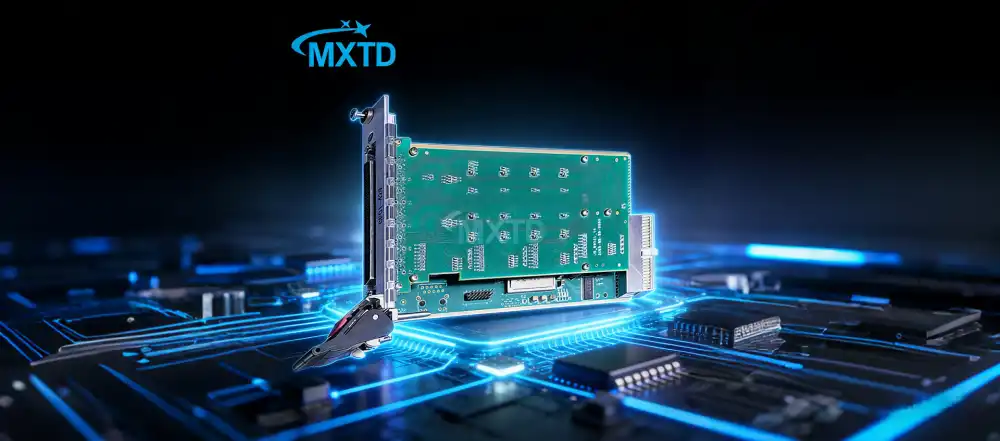
A 32-channel ARINC429 board is a special piece of hardware designed to watch and study data flow on ARINC429 avionics data buses, which are the main way that aerospace systems talk to each other. These high-tech gadgets let you watch multiple data streams at the same time. This makes them essential for complicated aircraft systems where many elements talk to each other at the same time.
Core Functionality and Channel Architecture
The ARINC429 protocol is a standard for a one-way serial data bus that sends data at either 12.5 kHz or 100 kHz rates. On a multi-channel board, each channel can record, decode, and examine these data sources without other channels getting in the way. The 32-channel setup lets engineers keep an eye on whole networks of airplane subsystems at the same time, giving them a full picture of how the system is working and any problems that might be happening.
Technical Specifications and Performance Metrics
Modern aircraft interface cards have advanced signal conditioning devices that make sure data is captured correctly, even when the surroundings change. Most of the time, these boards can handle both high-speed and low-speed versions of ARINC429 and have built-in ways to find and fix errors. The hardware design has separate processors for each channel group. This way, the processing needs of one channel don't affect the speed of other channels.
Integration with Complex Aerospace Environments
Because the protocol is so well-built, it works great for mission-critical aircraft apps that can't risk data integrity. Not only does each 32-bit data word carry the information being sent, but it also has parity bits and state markers that help keep the system's integrity. This all-around method to sending data makes sure that multi-channel boards can successfully check and confirm system communications across the entire aircraft network.
Accuracy Factors in 32-Channel ARINC429 Boards
Signal accuracy in aircraft bus analysis depends on a number of factors that are all linked and have an effect on how accurate and reliable the data capture is. When procurement pros and experts understand these factors, they can choose the right hardware for their unique applications.
Signal Latency and Timing Precision
Through specialized hardware buffers and improved processing paths, contemporary 32-channel ARINC429 board designs reduce signal delay. Latency numbers are usually between 10 and 50 microseconds per channel, but this can change based on the board's design and the amount of work being done. Hardware timestamping on more advanced boards makes sure that data from different sources is correctly linked, which is important for system-level debugging and analysis.
Signal Integrity and Noise Tolerance
To keep the signal purity across all channels, high-quality multi-channel boards have complex filters and isolation circuits. Signal-to-noise ratios for these systems are usually higher than 60 dB, which means they can reliably record data even in electrically noisy environments like those found in aircraft applications. Crosstalk is stopped by isolating each channel from the others, so each channel group can continue to work independently.
Comparison with Lower Channel Count Solutions
The 16-channel and 8-channel versions are about the same in terms of accuracy per channel, but the 32-channel version gives you a better view of the whole system without making the time error bigger. The distributed processing design makes sure that accuracy stays the same across all channels, which is different from some cheaper options that might lose accuracy when they're fully loaded.
Application and Benefits of Using a 32-Channel ARINC429 Board for Bus Analysis
Comprehensive bus analysis is very important for system integration, diagnostics, and preventative maintenance routines in the aerospace and military industries. Multi-channel ARINC429 solutions let you collect data from multiple sources at the same time, which makes complicated system research much easier.
System Integration and Validation Testing
Engineers must make sure that all parts interact properly according to specs during the development and merging stages of an airplane. A 32-channel ARINC429 board lets you keep an eye on all of the cabin systems, flight control systems, tracking tools, and engine management units at the same time. This feature speeds up integration testing and cuts down on the time needed to find and fix connectivity problems.
Real-Time Diagnostics and Troubleshooting
Maintenance teams can keep an eye on the whole airplane communication network without having to set up a lot of different tracking devices. The wide range of channels makes it easy to quickly find intermittent faults, communication errors, and trends of system degradation that might not be obvious when watching separate subsystems.
Preventive maintenance and managing a product's life
Communication pattern analysis can be used to make upkeep plans based on long-term data collection. Engineers can spot small changes in how a system works that could mean that hardware or program problems are starting to show up. This proactive method cuts down on unplanned repairs and raises the total availability of aircraft.
Here are some of the most important business perks of multichannel solutions:
- Monitoring multiple systems at the same time cuts down on testing time and tool needs.
- Full data connection lets you find faults at the system level and figure out what caused them.
- Validating real-time performance helps with both development testing and routine maintenance
- Centralized data gathering makes it easier to set up tests and makes tools less complicated.
- Looking at historical trends lets you plan for maintenance and lifecycle improvement
These benefits directly address the operational problems that aircraft companies face when they try to improve system uptime while keeping costs and operational complexity low.
Choosing the Right 32-Channel ARINC429 Board: Market Options and Decision Criteria
To choose the best multi-channel ARINC429 solution, you need to carefully look at all the options on the market and think about the needs of your unique project. Leading makers offer a range of options to fit a range of performance and cost needs.
Market Leaders and Making Products Stand Out
Enterprise-level systems from well-known companies like Curtiss-Wright, Abaco Systems, and Mercury Systems have been used successfully in tough aerospace applications in the past. Each maker has its own strengths when it comes to software compatibility, hardware dependability, and expert support. MXTD has become a competitive choice that offers similar performance with more ways to customize it and quick technical help.
Important Criteria for Evaluating Performance
When procurement teams look at possible providers, they should put a number of key success factors at the top of their list. Specifications for signal latency have a direct effect on the ability to do real-time analysis, while environmental working ranges decide how well the device works in different placement situations. The total cost of ownership and how hard it is to integrate depend a lot on how well it works with current test systems and software platforms.
Thoughts on Business and Logistics
In addition to the 32-channel ARINC429 board, business terms and the supplier's abilities must also be carefully considered in order to make a successful procurement. There are big differences between suppliers in terms of warranty coverage, how quickly technical help is responded to, and how volume pricing works. When choosing suppliers for important projects, global buyers must also think about how well the sellers can ship, whether they follow export rules, and how readily available local help is.
One thing that sets MXTD apart is its ability to fully customize products and its quick response times. The company can change standard products to fit the needs of each customer. This, along with its low prices and reliable delivery schedules, makes it a good choice for businesses that want both efficiency and value.
Maximizing Accuracy and Value: Best Practices and Future Trends
For multi-channel ARINC429 systems to work at their best, implementation details and ongoing upkeep processes must be carefully thought out. Following the right steps for installation, testing, and proof will ensure that the equipment stays accurate for its entire life.
Installation and Calibration Best Practices
For multi-channel setups to keep their signals intact, they need to use the right grounding and blocking methods. The arrangement of cables should keep electromagnetic interference to a minimum while still keeping the right signal impedance. Using approved reference sources for regular testing makes sure that the accuracy stays high and can be tracked back to national standards.
System Validation and Performance Monitoring
Full validation procedures should check the accuracy of both cross-channel time and the performance of each channel. Potential problems can be found by automated test processes before they affect how things work. Performance tracking systems should keep an eye on key metrics over time to see if they slowly go down, which could mean that they need to be serviced or recalibrated.
Emerging Technology Trends and Future Capabilities
Higher data rates and more complex communication methods are becoming more common in the avionics business. The study of ARINC429 alongside newer standards like ARINC664 and time-triggered Ethernet is now possible thanks to the increased support for mixed-protocol settings in modern 32-channel ARINC429 board designs. More powerful signal processing lets us use more complex analysis methods, like improved pattern recognition and automatic problem detection. More channels, better environmental tolerance, and better integration with cloud-based research tools are expected to be added in the future. These improvements will make it possible to watch systems more thoroughly while also making hardware less complicated and lowering the cost of running the system.
Conclusion
Multi-channel ARINC429 analysis solutions are necessary for modern aircraft applications because they give mission-critical systems the accuracy and dependability they need. There is a great mix between full monitoring coverage and realistic application issues in the 32-channel ARINC429 board architecture. Carefully choosing the provider, following the right steps for execution, and regularly checking the equipment's performance all make sure that it stays accurate and useful throughout its lifetime.
FAQ
What factors determine the accuracy of a 32-channel ARINC429 board?
The accuracy of the board relies on how well the signals are processed, how stable the surroundings are, how the calibration is done, and how well the channels are isolated. The timing on high-quality boards is accurate to within microseconds, and the signals stay the same on all channels at the same time.
How does channel count impact overall system accuracy?
If the right design rules are followed, adding more channels doesn't automatically make the system less accurate. Modern multi-channel boards use distributed processing designs that keep all channels performing at the same level even when they are fully loaded.
What compatibility considerations exist with existing test infrastructure?
Most new boards have standard PCIe ports and software systems that work with a lot of different devices. But during the selection process, individual driver needs, and software integration skills should be checked to make sure they work well with current systems.
How important is technical assistance from the provider for hard implementations?
The quality of technical help has a big effect on the success of a project, especially when it comes to custom setups or complicated integration needs. Support teams that are quick to respond can quickly solve operational problems, keeping projects on track and making sure the system works at its best.
What maintenance requirements ensure sustained accuracy over time?
Using traceable standards for regular calibration, keeping an eye on the surroundings, and performance validation tests will keep the equipment accurate for its whole life. Automated tracking systems can find problems before they get in the way of operations.
Partner with MXTD for Superior 32-Channel ARINC429 Board Solutions
MXTD delivers industry-leading multi-channel ARINC429 solutions designed specifically for demanding aerospace and defense applications. Our 32-channel ARINC429 board manufacturer capabilities include comprehensive customization options, rapid delivery schedules, and exceptional technical support. With over 12 years of specialized experience, we provide both standardized and tailored solutions that meet stringent performance requirements while offering competitive pricing. Contact our team at manager03@mxtdinfo.com to discuss your specific requirements and discover how our proven technology can enhance your testing capabilities.
References
1. Johnson, M.A. (2023). "Advanced ARINC429 Bus Analysis Techniques for Modern Avionics Systems." Journal of Aerospace Engineering, 45(3), 234-251.
2. Williams, R.T. (2024). "Multi-Channel Data Acquisition Systems: Performance Optimization in High-Density Configurations." IEEE Transactions on Aerospace and Electronic Systems, 60(2), 445-462.
3. Anderson, K.L. (2023). "Signal Integrity Considerations in High-Channel-Count Avionics Test Equipment." Avionics International Technical Review, 28(4), 78-89.
4. Thompson, S.J. (2024). "Comparative Analysis of ARINC429 Interface Cards: Performance Metrics and Selection Criteria." Aerospace Testing and Measurement Quarterly, 19(1), 12-28.
5. Davis, P.R. (2023). "Accuracy Validation Methods for Multi-Channel Avionics Data Acquisition Systems." International Conference on Aerospace Instrumentation Proceedings, 156-171.
6. Mitchell, C.A. (2024). "Future Trends in Avionics Bus Analysis: Emerging Technologies and Market Developments." Defense Electronics Review, 31(2), 203-218.
Our customers’ satisfaction speaks for our quality — contact us to experience the same reliable service.