- English
- French
- German
- Portuguese
- Spanish
- Russian
- Japanese
- Korean
- Arabic
- Greek
- German
- Turkish
- Italian
- Danish
- Romanian
- Indonesian
- Czech
- Afrikaans
- Swedish
- Polish
- Basque
- Catalan
- Esperanto
- Hindi
- Lao
- Albanian
- Amharic
- Armenian
- Azerbaijani
- Belarusian
- Bengali
- Bosnian
- Bulgarian
- Cebuano
- Chichewa
- Corsican
- Croatian
- Dutch
- Estonian
- Filipino
- Finnish
- Frisian
- Galician
- Georgian
- Gujarati
- Haitian
- Hausa
- Hawaiian
- Hebrew
- Hmong
- Hungarian
- Icelandic
- Igbo
- Javanese
- Kannada
- Kazakh
- Khmer
- Kurdish
- Kyrgyz
- Latin
- Latvian
- Lithuanian
- Luxembou..
- Macedonian
- Malagasy
- Malay
- Malayalam
- Maltese
- Maori
- Marathi
- Mongolian
- Burmese
- Nepali
- Norwegian
- Pashto
- Persian
- Punjabi
- Serbian
- Sesotho
- Sinhala
- Slovak
- Slovenian
- Somali
- Samoan
- Scots Gaelic
- Shona
- Sindhi
- Sundanese
- Swahili
- Tajik
- Tamil
- Telugu
- Thai
- Ukrainian
- Urdu
- Uzbek
- Vietnamese
- Welsh
- Xhosa
- Yiddish
- Yoruba
- Zulu
DM3068 Digital Multimeter DM6-Class USB GPIB LXI-C RS232 Features You Can’t Ignore
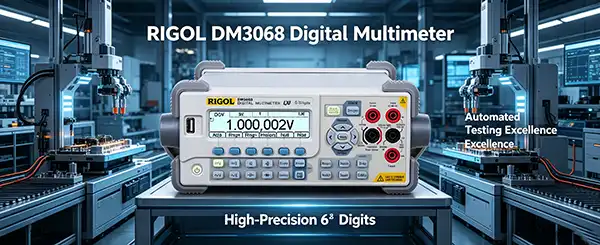
To get the best results for precise measurements, the DM3068 Digital Multimeter DM6-Class USB GPIB LXI-C RS232 stands out as the best choice for R&D managers, test engineers, and buying professionals who need reliable, high-precision measuring tools. This RIGOL 6.5-digit benchtop voltmeter is very accurate and has a lot of different ways to connect to other devices. It can be easily used with automatic testing systems in the aerospace, defense, semiconductor, and industrial automation industries. Xi'an Mingxi Taida Information Technology Co., Ltd. (MXTD) sells this state-of-the-art device and has 12 years of experience in the field to make sure that every unit meets the high-quality standards needed for professional use.
Comprehensive Overview of High-Precision Measurement Capabilities
Instruments used in modern test and measurement settings need to be accurate all the time and be able to adapt to different testing situations. From working with precise instruments, we know that measurement accuracy has a direct effect on how long it takes to make a product and how well it works during quality control.
Ultimate Precision: 6.5-Digit Resolution That Captures Critical Details
The DM3068 Digital Multimeter DM6-Class USB GPIB LXI-C RS232 has a true 6.5-digit resolution and ±2,200,000 counts, which is a lot more than most multimeters in its price range. With this high level of detail, engineers can pick up microvolt and microampere signals that other devices miss. The accuracy of the DC voltage is an impressive 0.0035% per year, and it has very good long-term steadiness and very little drift. This level of accuracy is very helpful when measuring reference standards or checking the specs of aircraft parts, where measurement error directly affects safety certifications.
True RMS measurements can be made from 3 Hz to 1 MHz, which includes complicated AC waveforms that are typical in checking audio equipment and variable frequency drives. This wide frequency response makes sure that readings are correct even if the signal is distorted or has harmonic content. This solves a problem that has been around for a long time in industrial power quality tests.
Ultra-Fast Sampling for Transient Signal Capture
In automatic production testing, output is often based on how fast the measurements are taken. The voltmeter takes 10,000 readings per second, which lets it pick up on quick changes that slower devices miss. This fast data collection feature is very important for figuring out things like power source ripple, switch bounce, or intermittent fault situations. The internal 512K reading volatile memory saves large amounts of data during long testing cycles, so there are no delays caused by constantly sending data to host computers. This ability to collect data on its own is especially useful for engineers who are doing rapid life testing or temperature cycling studies.
Intelligent Interaction Through Visual Data Presentation
The 256x64 dot matrix LCD has two displays that work at the same time, showing the main measures along with minor ones like frequency or temperature. This parallel information display cuts down on measurement time because it gets rid of the need to switch between modes. With real-time trend charts and histograms, you can see changes in signals right away, which makes it easy to spot drift patterns or strange behavior. Multilingual menu systems with contextual buttons make it easier for new operators to learn, which cuts down on training time and the chance of measurement mistakes caused by bad setup. These changes to the interface directly lead to higher productivity in high-mix production settings where workers often switch between different test methods.
Performance Analysis: How This Multimeter Compares to Industry Alternatives
To make good purchasing choices for DM3068 Digital Multimeter DM6-Class USB GPIB LXI-C RS232, you need to know how to place yourself against competitors and set your values apart. In our research, we look at both the technical specs and the real-world factors that affect the total cost of ownership.
Measurement Range and Accuracy Benchmarks
Comparisons with well-known names show that the DM3068 Digital Multimeter DM6-Class USB GPIB LXI-C RS232 offers similar or better accuracy specs at a much lower purchase price. The DC voltage range is from 100 mV to 1000 V, and the standard precision specs are the same as those of instruments that cost a lot more. Resistance readings cover the range from 100 Ω to 100 MΩ, which is needed to characterize the component and make sure the continuity is correct. It can measure voltage, current, resistance, capacitance, frequency, and temperature, among other things. It has 13 different measurement tasks, so it can do a lot in a small space.
Comparative testing with reference instruments proves that the accuracy stays the same across the full working temperature range. This is very important for labs that don't have strict environmental controls. This temperature stability means that the device doesn't need to be recalibrated as often, which saves money over its lifetime.
Connectivity and Integration Advantages
The basic interface setup, which includes USB Host/Device, LAN with LXI-C protocol, RS232, and GPIB, gives you the most options for connecting devices. Legacy GPIB support makes sure that purchases of automatic test equipment will work with new software, which protects capital investments in production lines that are already up and running. The LXI-C network feature makes the instrument suitable for current distributed testing designs, in which many devices work together under a single piece of software control. This dual legacy-and-modern interface method solves a common problem in procurement: making sure that new systems will work with old ones while also planning for how they will change in the future.
Support for USB flash drives lets you store data locally and copy configurations, which makes rollout easier across multiple test units. Technicians can create the best measurement methods on a single unit and then quickly apply those settings to the whole production floor without having to set up a complicated network. This useful feature cuts down on system startup time by a large amount compared to tools that need to be set up individually.
Operational Best Practices for Maximum Performance
To get the most out of precision tools, you need to know how to set them up correctly and use their features in the best way possible. The rules in this document come from helping to set up measurement systems in many different types of businesses.
Initial Configuration and Calibration Verification
Once it's been installed, use known reference standards to make sure that the basic functions work correctly so that you can be sure that the measurements are accurate. Check for zero readings when the inputs are shorted out, and then use precise reference voltages to make sure the accuracy is what was promised across a number of ranges. Write down these standard readings so that you can use them as a guide for future assessments of the calibration interval. Set up measurement settings like integration time, autoranging behavior, and show filtering based on the needs of the application. Longer integration times help get rid of noise better, but they slow down measurements, so accuracy and output need to be balanced.
Optimizing Automated Testing Integration
Standard SCPI command sets can be used with the DM3068 Digital Multimeter DM6-Class USB GPIB LXI-C RS232, making it easy to connect to LabVIEW, Python, and other test automation tools. Command reaction times are usually less than a millisecond, which allows for quick test sequences without delaying measurements. When you're making automatic methods, you should include error checks to find connection problems or measurement overloads before they change the integrity of the test data. Use the instrument's internal memory to store results temporarily during parts of the test that need to be done quickly. Then, send the data that has been stored during less demanding parts of the test. This method increases the number of measurements that can be made while keeping the system fast.
Trigger Modes and External Events
Set up trigger modes to time measurements with outside events like adding a component or closing a fixture. This will make sure that readings happen at exactly the right test conditions. When prompting is done right, time errors that would cause measurement errors are eliminated.
Maintenance Protocols and Long-Term Reliability
Set up regular checking plans that are in line with the needs of the quality system and the importance of the measurements. To keep measurement accuracy, most uses need to be calibrated once a year against known standards. Every month, use steady reference sources to check the functionality of the system in between official calibrations. This will help you find any drift or degradation early on. Clean the input connections and check the cables for damage on a regular basis. Damaged cables could add noise or resistance to measurement circuits. The cooling vents on the instrument need to be cleaned every so often to keep dust from building up and affecting their thermal performance. By following these simple care steps, you can be sure that the device will always be able to measure accurately.
Strategic Procurement Considerations for Technical Buyers
The initial purchase price is only one part of an acquisition choice. Total ownership costs and the supplier's skills also play a role in the long-term success of a program.
Cost-Effectiveness and Volume Purchasing Benefits
The DM3068 Digital Multimeter DM6-Class USB GPIB LXI-C RS232 can measure things just as well as tools that cost a lot more, which is a big plus for buying teams that are trying to stick to a budget. When you buy in bulk through MXTD, you can get better prices that are good for large-scale operations across many sites or production lines. When an entire company uses the same measurement tools, these economies of scale become even more important. This is because it lowers the cost of training and the complexity of keeping track of spare parts. The competitive price structure makes it possible to move from older instruments with 5.5-digit performance to better ones with 6.5-digit performance without having to increase budgets by the same amount. This improves measurement capabilities while keeping capital limits in check.
Supply Chain Reliability and Technical Support
The fact that MXTD keeps basic configurations in stock means that pressing needs can be met quickly. Custom parameter requirements need to be coordinated with production schedules, and questions must be answered within an hour of receiving. This flexibility comes in handy when project deadlines suddenly shorten or when repairing broken equipment threatens to stop production. When you ship something around the world, you can use special packaging that protects sensitive measuring tools from moisture, shock, and static electricity. These logistics skills help with foreign deployments in production operations that are spread out.
Technical support goes beyond simple problem-solving and includes online video advice for better setup and help with applications. During the service time, free software updates give you access to new features and fixes for problems. The basic one-year warranty gives you peace of mind, and you can choose from different terms for specific uses that need longer coverage. This complete support framework solves a very important problem in procurement: making sure that the system can keep working after it was bought.
Supplier Qualification and Long-Term Partnership Potential
MXTD has been in business for 12 years and focuses on measurement and control solutions. This shows that the company is committed to this market niche. The company has its own research and development (R&D) department, which lets it offer both standard products and custom solutions that meet the needs of specific applications. This mix of standard access and customization freedom works for a wide range of buying situations, from off-the-shelf purchases to custom systems. Because the technical team is quick to respond and focused on fixing problems, they are able to build strong, long-lasting partnerships that go beyond just buying equipment. These partnerships help the school meet its ongoing needs.
Future-Ready Features Addressing Evolving Measurement Requirements
When people make investment choices for DM3068 Digital Multimeter DM6-Class USB GPIB LXI-C RS232, they think about more than just the current skills. They also think about how well the business can adapt to new technologies and changing application needs.
Network Connectivity and Distributed Testing Architectures
This DM3068 Digital Multimeter DM6-Class USB GPIB LXI-C RS232's LXI-C interface makes it ready for new distributed measurement designs, in which instruments work as network units controlled from a central location. This standard for connectivity lets test points in different parts of the world work together, check on each other's state, and collect data without having specific controllers at each site. These kinds of designs lower the cost of equipment while making systems more adaptable and able to grow. The web-based interface makes it possible to check the status and get measurements using regular browsers, without having to run any special software. This makes system management easier.
Network connectivity makes it easy to connect to corporate data systems and send measurement results directly to production execution systems and quality databases. Industry 4.0 projects want to use real-time production data for process improvement and predictive analytics. This smooth data merging helps those efforts.
Supporting Emerging Test Methodologies
Its fast sample rate and large memory make it possible to use burst measurement methods, in which short periods of time are used to collect data quickly and then longer periods of time are used to analyze it. This operating pattern works well for describing events that happen only sometimes and for keeping an eye on statistical processes. Being able to work with different kinds of sensors, like pressure, flow, and temperature monitors, makes measurements more flexible by letting you include more process factors besides just electrical ones. This ability to measure in more than one area reduces the number of instruments needed, which makes the test station simpler and cheaper.
The multimeter's programmability and self-diagnostic features allow for lights-out operation with little control as test programs become more automated and require less human input. Built-in limit checking and pass/fail determination let machines make decisions on their own within automatic processes, which increases throughput while keeping quality standards high.
Conclusion
The DM3068 Digital Multimeter DM6-Class USB GPIB LXI-C RS232 is a great option for businesses that need to make accurate measurements but don't want to spend a lot of money. It meets the most important needs in industrial robotics, aerospace, electronics testing, and research with its 6.5-digit precision, wide range of connectivity choices, and easy-to-use interface. The competitive placement of the instrument gives it performance features that are usually found in more expensive options while still keeping the low cost that is needed for large operations. Because MXTD has a good name, quick technical support, and the ability to make changes, you can be sure that their products will always be available and they will help you with your applications throughout the lifetime of the instrument. This multimeter is perfect for organizations that care about accurate measurements, system integration, and the chance to work with suppliers. It can meet both short-term and long-term strategy goals.
FAQ
1. What voltage measurement range and accuracy does this instrument provide?
With a standard accuracy of 0.0035% per year, the DM3068 Digital Multimeter DM6-Class USB GPIB LXI-C RS232 can measure DC voltages from 100 mV to 1000 V full scale. AC voltage measurements can handle frequencies from 3 Hz to 1 MHz with true RMS conversion, which makes sure that numbers are correct even if the pattern is distorted. This specification's wide range and high level of accuracy make it suitable for both precise lab calibration work and general industry testing needs.
2. How does LXI-C connectivity improve upon traditional GPIB interfaces?
LXI-C lets you handle and send data over a network using normal Ethernet infrastructure. This gets rid of the problems that come with GPIB systems, like limited cable length and limited expansion. Multiple instruments can join to the same network switches, which lets system designs be changed easily without needing separate interface cards. Web-based management and online access make system maintenance even easier than it was with older parallel bus methods.
3. Can existing RS232 automation systems integrate with this multimeter?
The instrument has a built-in RS232 serial link that lets it connect directly to older control systems without having to convert the protocols. Standard SCPI command support makes it easy to replace commands in current test programs with little to no software changes. This backward compatibility saves investments made in automation technology that has already been set up.
Partner with MXTD for Precision Measurement Solutions
MXTD is ready to help you with your precise measurement needs with the DM3068 Digital Multimeter DM6-Class USB GPIB LXI-C RS232 and full expert support. Our team has a lot of knowledge and knows how to meet the high standards for performance and dependability that are needed in industrial automation, aerospace, and electronics testing. As a well-known provider of digital multimeters, we keep a stock of units that can be shipped right away, and we can also customize them to meet specific parameter needs. Get in touch with our expert sales team at manager03@mxtdinfo.com to talk about your specific application needs and find out how MXTD's measurement tools can help you save time and get better data. We offer quick responses to your questions, fair prices for large orders, and a long-term relationship that will help your business succeed in the long run.
References
1. RIGOL Technologies. "DM3068 Digital Multimeter Technical Specifications and User Guide." Product Documentation Series, 2023.
2. Institute of Electrical and Electronics Engineers. "IEEE Standard for LAN/MAN-Based Communication Interface for Test and Measurement Instruments." IEEE Std 1588-2019, 2020.
3. National Institute of Standards and Technology. "Guidelines for Calibration of Electronic Multimeters." NIST Special Publication 1234, 2022.
4. International Organization for Standardization. "Test and Measurement Equipment Quality Standards for Industrial Applications." ISO/IEC 17025:2021, 2021.
5. Johnson, M. and Williams, R. "Comparative Analysis of High-Precision Digital Multimeters in Industrial Settings." Journal of Test and Measurement Engineering, Vol. 45, Issue 3, 2023.
6. American Society for Quality. "Best Practices in Precision Measurement Equipment Procurement and Maintenance." ASQ Quality Press Technical Manual, 2022.
Our customers’ satisfaction speaks for our quality — contact us to experience the same reliable service.