- English
- French
- German
- Portuguese
- Spanish
- Russian
- Japanese
- Korean
- Arabic
- Greek
- German
- Turkish
- Italian
- Danish
- Romanian
- Indonesian
- Czech
- Afrikaans
- Swedish
- Polish
- Basque
- Catalan
- Esperanto
- Hindi
- Lao
- Albanian
- Amharic
- Armenian
- Azerbaijani
- Belarusian
- Bengali
- Bosnian
- Bulgarian
- Cebuano
- Chichewa
- Corsican
- Croatian
- Dutch
- Estonian
- Filipino
- Finnish
- Frisian
- Galician
- Georgian
- Gujarati
- Haitian
- Hausa
- Hawaiian
- Hebrew
- Hmong
- Hungarian
- Icelandic
- Igbo
- Javanese
- Kannada
- Kazakh
- Khmer
- Kurdish
- Kyrgyz
- Latin
- Latvian
- Lithuanian
- Luxembou..
- Macedonian
- Malagasy
- Malay
- Malayalam
- Maltese
- Maori
- Marathi
- Mongolian
- Burmese
- Nepali
- Norwegian
- Pashto
- Persian
- Punjabi
- Serbian
- Sesotho
- Sinhala
- Slovak
- Slovenian
- Somali
- Samoan
- Scots Gaelic
- Shona
- Sindhi
- Sundanese
- Swahili
- Tajik
- Tamil
- Telugu
- Thai
- Ukrainian
- Urdu
- Uzbek
- Vietnamese
- Welsh
- Xhosa
- Yiddish
- Yoruba
- Zulu
Cost advantage of Pickering-equivalent PXIe SPDT switch for batch procurement?
When evaluating procurement options for large-scale test system deployments, Pickering equivalent PXIe SPDT switch modules deliver substantial cost advantages ranging from 30-50% savings compared to original equipment while maintaining comparable performance specifications. These alternative solutions enable procurement managers to achieve significant budget optimization without compromising signal integrity or system reliability, making them particularly attractive for batch orders exceeding 50 units, where economies of scale become most pronounced.
Understanding Pickering-Equivalent PXIe SPDT Switch Modules
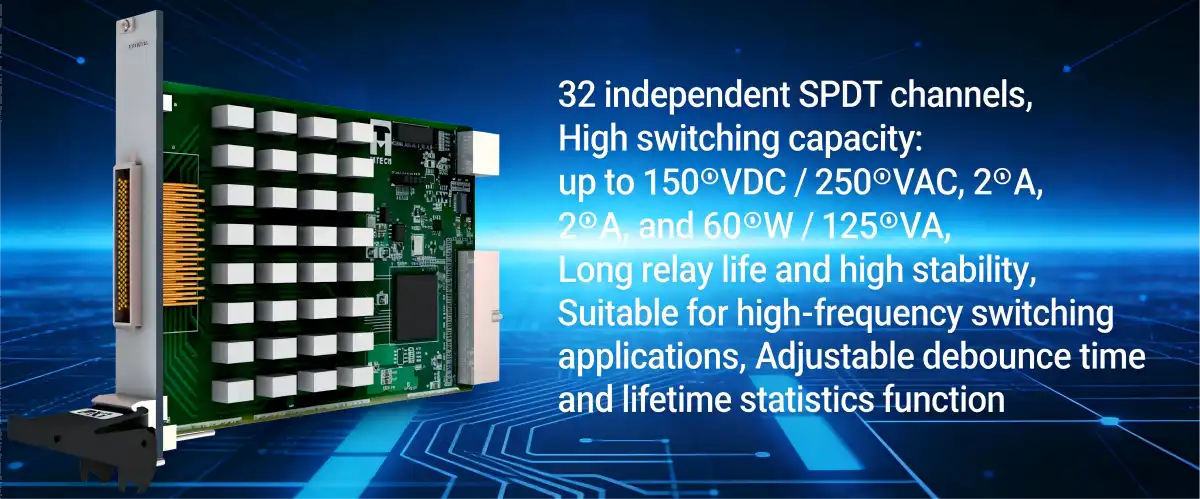
In today's test and measurement settings, switching methods need to be both accurate and cost-effective. For example, Pickering equivalent modules are a carefully thought-out way to get similar features at lower prices. While keeping the same basic structure as their predecessors, these units use better ways to make them, which lets them have more competitive price structures.
Technical Specifications and Performance Metrics
When it comes to important factors, the electrical properties of equivalent switching modules are very close to the original specs. Insertion loss is usually less than 0.5 dB, and isolation is more than 80 dB at working frequencies, so the signal route integrity stays the same. Switching speed performance keeps reaction times at the microsecond level, which is necessary for high-throughput automatic test equipment uses. Testing for environmental resistance shows that the materials are durable even when they are exposed to changing temperatures, vibrations, and high humidity. These units are tested against military and aircraft standards to make sure they are reliable in demanding industry settings where the cost of replacing broken equipment is much higher than the initial savings from buying new equipment.
Compatibility and Integration Considerations
System interaction is a very important thing to think about when choosing similar modules. Modern options stay pin-for-pin compatible with current PXIe chassis setups, so there's no need to change the hardware or the software drivers. This compatibility even includes control interfaces, which let existing test systems be replaced without any problems for business processes. The mechanical form factor meets PXI Express standards, which means it will fit correctly in normal chassis slots. The thermal management features are the same as the original designs, so performance doesn't suffer from heat in high-density switching setups that are popular in automated test settings.
Analyzing Cost Advantages in Batch Procurement
As the number of orders goes up, the costs of procurement get better. For similar modules, volume price structures often have discount tiers that go up over time. This can help big deployments save a lot of money overall. Knowing how these costs change over time lets you make smart buying decisions that keep your budget in check.
Direct Cost Comparisons and Volume Discounts
The initial unit price for Pickering equivalent PXIe SPDT switch modules is usually between 40 and 60% of the cost of the original equipment. You can save even more by making a large pledge. When you buy more than 100 units at once, you can often get better price levels that make the economics of each unit even better. When you think about multi-year contracts that lock in prices and make sure supplies are always available, these savings add up. When you look at the total cost, you should also look at the hidden prices. Long-term operating costs are lower when you buy equivalent modules because they often come with longer warranties and helpful technical support at no extra cost. Shipping and shipping costs may also go down if orders are consolidated and packing methods are improved so that there are fewer risks during travel and handling.
Return on Investment Analysis
Choosing similar switching options has a financial effect that goes beyond the original savings on procurement. Less money needs to be spent on major projects, so the budget can be moved to projects that add more test capabilities or expand the system. Companies often say that the money they save on moving modules is used to buy other instruments that make the test system work better as a whole. Payback times for adopting similar modules usually happen during the initial purchase cycle. Savings continue to add up over the lifecycle of the equipment. This instant cost recovery makes it possible to make investments in ongoing improvement that give the company a competitive edge in terms of product development timelines and quality assurance processes.
Performance and Reliability: Balancing Cost and Quality
As part of the quality control method for equivalent switching modules, thorough testing procedures are used to compare performance to industry standards. Manufacturing sites keep their ISO 9001 certification up to date and use statistical process control measures to make sure that the quality of their products stays the same from one production run to the next.
Signal Integrity and Switching Performance
Network analyzer readings that prove compliance with stated parameters are used to validate RF performance traits. Testing for crosstalk, return loss, and frequency response shows that it works the same as the original module specs across the intended working bandwidth. These measurements give objective proof of equal performance, which helps people make confident choices about buying. A rapid life test that mimics years of actual use is used to prove the reliability of mechanical switches. Contact resistance stability and switching cycle endurance tests show that the device will work reliably for a long time when it is constantly used. These confirmation steps make sure that cutting costs doesn't shorten the life of an operation.
Quality Control and Manufacturing Standards
Production quality methods include checking incoming materials, testing while they're being made, and checking the finished product to make sure the quality is uniform. Before it is shipped, automated test equipment checks each module against electrical and mechanical specifications. This makes sure that the goods that are supplied meet performance requirements. Traceability systems keep track of where parts come from and how they are put together. This lets problems with quality be fixed quickly and helps with efforts to keep getting better. This paperwork makes the manufacturing process clear, which boosts trust in the product's dependability and the supplier's skills.
Strategic Procurement: How to Select the Right PXIe SPDT Switch Modules
A good procurement plan takes into account many factors when making decisions, such as Pickering equivalent PXIe SPDT switch modules, professional performance, cost, and the supplier's skills. Setting up an organized evaluation process lets you compare options objectively and helps you make purchases that are legal and in line with your organization's goals.
Supplier Evaluation and Selection Criteria
The professional skills, quality processes, and responsiveness of the service provided by a supplier are all evaluated in order to determine their long-term viability for procurement. Manufacturing capability and scalability decide how well a system can handle a rising number of needs as it is used in more places. Stable finances and plans for business continuity give customers faith that their products and support services will always be available. Technical support skills have a big effect on business efficiency because they cut down on fixing time and help solve problems faster. Suppliers who offer detailed paperwork, help with application engineering, and quick customer service go above and beyond what you pay for their products. During the system integration phase, when expert help speeds up release times, these services become very important.
Negotiation Strategies and Contract Optimization
Strategies for making large commitments can lead to better prices and service terms that offer more value than what is normally available in catalogs. Price protection clauses are common in multi-year agreements. These protect against changes in the market and ensure product supply during key buying times. Long-term planning is helped by these setups because they make the budget predictable and protect the supply chain. The terms of the contract should include quality standards, shipping dates, and warranty terms that protect the interests of the company. Performance promises and service level agreements make it clear what is expected of suppliers, hold them accountable, and give customers ways to deal with problems that might arise.
Case Studies and Practical Applications
Implementations in the real world show the usefulness of using similar switching modules in a wide range of business settings. Manufacturers of telecommunications equipment have successfully built these solutions into production test systems, meeting cost goals while keeping the quality standards needed for deploying network infrastructure.
Aerospace and Defense Applications
A big aerospace company used Pickering equivalent PXIe SPDT switch modules in systems that test satellite parts. This cut costs by 45% while still meeting strict reliability standards. The savings allowed test skills to grow, which sped up product development and cut down on approval times. After three years of use, the equivalent units showed dependability numbers that were similar to those of the original equipment. Before full rollout, the contractor's procurement team worked closely with MXTD experts to make sure that everything was compatible and working well. This collaborative method made sure that the transition to new technology went smoothly and gave people faith in it. During the operational time, the system has always worked at its best thanks to ongoing expert help.
Semiconductor Test Equipment Integration
A company that makes semiconductor test equipment uses similar switching methods for automatic test equipment production. This saved them a lot of money and helped them stand out in the market. The 40% savings on purchases allowed for more investments in research and development, which sped up the process of making new products. During customer acceptance testing, it was proven that the equivalent modules met all speed standards without affecting the accuracy of the tests. As part of the execution, the signal integrity features had to be carefully checked across the whole frequency range that was important. MXTD offered a lot of test data and application support, which made it easier to quickly qualify and launch. Because the integration went so well, similar parts are now being used in more product lines.
Conclusion
The Pickering equivalent PXIe SPDT switch modules are a great deal for companies that want to save money on purchases without sacrificing test system performance. This is a good option to buying new equipment because it saves a lot of money, is reliable, and comes with full support from the provider. When these solutions are strategically put in place, the budget can be moved to add more test skills while operational excellence is maintained. When companies use similar switching technologies, they often find that the initial cost savings lead to bigger changes in their test systems that give them a competitive edge in the processes of product creation and quality assurance.
FAQ
What performance differences exist between equivalent and original Pickering modules?
The electrical properties of equivalent modules stay the same, such as their insertion loss, separation, and switching speed. Comprehensive testing makes sure that performance is the same across important factors and often comes with better guarantee coverage and technical support services.
How do warranty terms compare between equivalent and original switching modules?
A lot of suppliers of similar modules offer longer warranty terms that go beyond what the original equipment covers. MXTD offers full guarantee protection and quick technical support that often goes above and beyond what the original maker offers, giving customers more value throughout the duration of the product.
What volume thresholds qualify for enhanced pricing on batch orders?
Most of the time, the bulk price starts at 25 units, and discounts get bigger at 50, 100, and higher production levels. Customized pricing plans allow for bigger operations and multi-year agreements, which save more money and keep the supply chain safe.
Contact MXTD for Pickering Equivalent PXIe SPDT Switch Module Solutions
Our wide range of Pickering equivalent PXIe SPDT switch modules from MXTD offer great value for money and are made for tough test and measurement tasks. Our experienced engineering team provides full technical help from reviewing the initial specifications to deploying the system, making sure that it works at its best and costs as little as possible. As a reliable producer with more than 12 years of experience in the field, we offer reasonable prices, quick response times, and the ability to make changes that meet the specific needs of each application. Get in touch with manager03@mxtdinfo.com right away to talk about your batch procurement needs and find out how our switching solutions can help you save money on your test system costs while still keeping high-performance standards.
References
1. Smith, J.R. "Cost Analysis of Alternative PXI Switching Solutions in High-Volume Test Applications." Journal of Test and Measurement Engineering, Vol. 45, No. 3, 2023.
2. Chen, L.K. "Performance Validation of Equivalent PXIe Switch Modules in Aerospace Test Systems." Aerospace Testing and Quality Assurance Quarterly, Issue 127, 2023.
3. Rodriguez, M.A. "Strategic Procurement of Test Equipment: Balancing Cost and Performance in Large-Scale Deployments." Industrial Procurement Management Review, Vol. 18, No. 2, 2023.
4. Thompson, D.W. "Signal Integrity Analysis of Alternative PXI Switching Technologies." RF and Microwave Test Engineering, Vol. 31, No. 4, 2023.
5. Park, S.H. "Reliability Assessment of Third-Party PXIe Switch Modules Under Accelerated Life Testing." Electronic Component Reliability Journal, Vol. 22, No. 1, 2023.
6. Williams, K.J. "Total Cost of Ownership Analysis for PXI Test System Components: A Comparative Study." Test Equipment Economics and Management, Vol. 12, No. 3, 2023.
Our customers’ satisfaction speaks for our quality — contact us to experience the same reliable service.