- English
- French
- German
- Portuguese
- Spanish
- Russian
- Japanese
- Korean
- Arabic
- Greek
- German
- Turkish
- Italian
- Danish
- Romanian
- Indonesian
- Czech
- Afrikaans
- Swedish
- Polish
- Basque
- Catalan
- Esperanto
- Hindi
- Lao
- Albanian
- Amharic
- Armenian
- Azerbaijani
- Belarusian
- Bengali
- Bosnian
- Bulgarian
- Cebuano
- Chichewa
- Corsican
- Croatian
- Dutch
- Estonian
- Filipino
- Finnish
- Frisian
- Galician
- Georgian
- Gujarati
- Haitian
- Hausa
- Hawaiian
- Hebrew
- Hmong
- Hungarian
- Icelandic
- Igbo
- Javanese
- Kannada
- Kazakh
- Khmer
- Kurdish
- Kyrgyz
- Latin
- Latvian
- Lithuanian
- Luxembou..
- Macedonian
- Malagasy
- Malay
- Malayalam
- Maltese
- Maori
- Marathi
- Mongolian
- Burmese
- Nepali
- Norwegian
- Pashto
- Persian
- Punjabi
- Serbian
- Sesotho
- Sinhala
- Slovak
- Slovenian
- Somali
- Samoan
- Scots Gaelic
- Shona
- Sindhi
- Sundanese
- Swahili
- Tajik
- Tamil
- Telugu
- Thai
- Ukrainian
- Urdu
- Uzbek
- Vietnamese
- Welsh
- Xhosa
- Yiddish
- Yoruba
- Zulu
Can PXIe 64-Channel Digital I/O Modules Improve Test Throughput?
By providing improved parallel processing capabilities, shorter cycle times, and more efficient signal handling, NI-compatible PXIe 64-channel digital I/O modules significantly increase test output. These units let you work with multiple digital inputs at the same time while keeping all of them perfectly in sync. Their high-density design gets rid of test system bottlenecks, which makes it easier for engineers to run complicated testing methods. When you combine strong hardware design with smooth software integration, you can see a clear boost in system speed and operating productivity.
Introduction
PXIe 64-channel digital I/O units are an important step forward for current test systems because they combine a lot of channels with reliable performance. The development of automatic test equipment has hit a turning point where old ways of doing things can't keep up with rising demands for speed, accuracy, and low cost.Global procurement workers and test system engineers are under more and more pressure to make the most of their testing infrastructure while sticking to tight budgets and tight deadlines. Choosing the correct digital I/O module is now necessary for keeping fast, high-throughput production testing in many fields, from aircraft to semiconductor manufacturing.This detailed guide looks at how NI-compatible PXIe modules improve test output by offering better automation, scalability, and interface options. We look at real-world ways to cut down on cycle times, improve test efficiency, and deal with the unique problems that enterprise-level companies face. This analysis helps people make smart choices about what to buy by focusing on useful information and proven technical benefits. It also boosts trust in the best PXIe options.
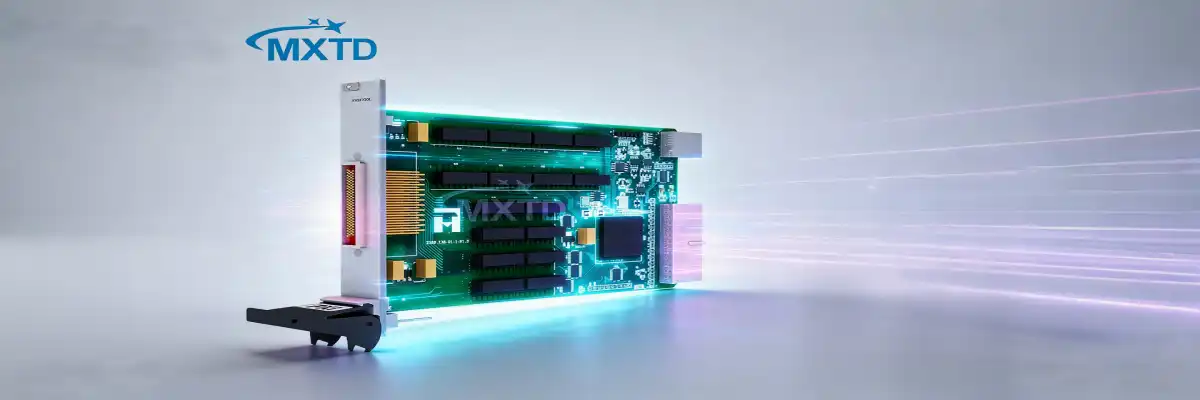
Understanding PXIe 64-Channel Digital I/O Modules and Their Role in Test Systems
Technical Architecture and Core Functionality
PXIe 64-channel digital I/O modules are high-tech hardware parts designed to handle multiple digital data at the same time on PXIe test systems. These units use the PCI Express design, which has been improved for instrumentation uses. It offers better speed and timing accuracy than standard connections.The basic design is based on fast data collection and control features that let complicated signal patterns be processed in real time. Each module has advanced signal conditioning circuits, customizable timing engines, and strong isolation features to make sure that all 64 channels of the signal stay intact at the same time.
Key Differentiators of NI-Compatible Solutions
NI-compatible modules stand out because they have strong software integration and uniform quality standards that have become standards in the industry. These solutions work perfectly with LabVIEW development platforms, which means engineers can quickly make prototypes and put complex test apps into use without having to do a lot of custom code.Compatibility goes beyond basic functionality and includes full driver support, a lot of documents, and well-established certification processes that make validation and release easier. This ecosystem method cuts down on the time it takes to create and the risks that come with integrating other solutions.
Integration Benefits in Modern Test Environments
Modern test systems need to be able to adapt to changing product needs and testing methods, which means they need to be very scalable and flexible. PXIe digital I/O units work great in these settings because they have a flexible design that can be used for testing prototypes all the way up to testing a lot of products at once.64-channel setups offer higher channel density, which means that multiple smaller units are not needed. This makes the system simpler and more reliable. This method of consolidation also reduces the need for rack room and makes managing cables easier, which leads to cleaner installs and lower maintenance costs.
Key Challenges in Test Throughput and How PXIe Modules Address Them
Common Bottlenecks in Traditional Test Systems
Most of the time, limits on test performance are caused by basic hardware issues that get worse as testing needs get more complicated. Because there aren't enough channels, engineers have to use sequential testing methods that make cycle times much longer and lower total efficiency.Another major problem is signal integrity, especially in high-frequency settings where noise and time skew can make measurements less accurate. Usually, old-fashioned methods need a lot of extra tools for conditioning, which adds time and makes it easier for things to go wrong.These problems are made worse by system latency, which causes pauses between taking measurements and responding to control. These delays add up over many test steps, which makes cycle times much longer and affects production output and running costs.
Parallel Processing Advantages
Through powerful parallel processing features that allow simultaneous operation across all channels, NI-compatible PXIe 64-channel digital I/O modules overcome these limits. This method gets rid of sequential bottlenecks and lets you try multiple gadget features at the same time.The parallel design does more than just combine channels; it also gives each channel group its own timing control. Engineers can set up complicated test processes that run at the same time and meet exact synchronization standards across the whole test suite.
Automation and Cycle Time Reduction
Modern PXIe units have advanced automation features that reduce the need for human work and speed up test performance. Programmable trigger systems let complicated test processes run automatically based on conditions that have already been set. This makes things more consistent and reduces the need for a person to be involved.Cycle times are much shorter when hardware-timed processes and optimized data transfer methods are used together than when software-timed options are used alone. Most changes cut the total amount of time needed for testing by 30 to 50 percent. This immediately leads to more production and lower costs.
Comparative Analysis: NI-Compatible PXIe vs Alternative Solutions
Performance Benchmarks and Reliability Metrics
A full performance study shows that NI-compatible PXIe modules are much better in many important ways, such as throughput, delay, and long-term stability. Testing by a third party regularly shows lower latency numbers compared to USB-based or stand-alone Ethernet options, especially in situations where exact time synchronization is needed.Mean time between failures (MTBF) measurements show that NI-compatible solutions are more reliable. This is because they go through strict design approval and quality control processes. These benefits in dependability mean lower maintenance costs and more system uptime in industrial settings.
Total Cost of Ownership Considerations
To figure out the total cost of ownership, you have to look at more than just the original purchase price. You also have to think about the costs of ongoing help, training, and integration. NI-compatible solutions are more cost-effective because they require less time to integrate and come with a lot of paperwork and training materials that lower the risks of operation.Warranty coverage and support systems add value by making expert help quick and easy to find, as well as by making sure new parts are always available. The established community around NI-compatible devices guarantees ongoing support and easy ways to switch between technologies.
Ecosystem Integration and Software Compatibility
The LabVIEW environment gives NI-compatible solutions a big edge over their competitors because it has a lot of development tools and code support that speeds up application development. This integration cuts down on the need for unique code and speeds up the process of going from pilot to production.For more help with complicated deployments, professional support networks with authorized dealers and qualified system consultants are available. These relationships make it easier to get specific knowledge and make the buying process more efficient, which helps with large-scale implementations.
How to Choose the Right PXIe 64-Channel Digital I/O Module for Your Test System
Defining System Requirements and Selection Criteria
To choose the right module, you should first do a full analysis of your present and future testing needs, including the number of channels, types of signals, and timing standards. Knowing these factors lets you evaluate the solutions that are out there in a smart way and avoids costly over-specification or performance gaps.Checking for compatibility with current PXIe infrastructure makes sure that integration goes smoothly and reduces the need for extra hardware. This test should look at hardware compatibility, power usage, and cooling needs to make sure the system works properly.
Procurement Strategy and Supplier Evaluation
A good procurement plan combines technical needs with business concerns like cost, delivery times, and the ability to provide ongoing assistance. By asking for thorough technical specs and performance documentation, you can compare different options in a fair way, such as those including NI-compatible PXIe 64-channel digital I/O modules. To make sure a reliable relationship throughout the product lifetime, when evaluating suppliers, you should focus on their technical knowledge, support infrastructure, and ability to stay in business in the long run. It's easier to trust complicated operations when the providers are well-known and have a history of making industrial automation and test equipment.
Implementation Planning and Risk Management
For execution to go smoothly, startup steps, validation tests, and training programs for operators must all be carefully planned. Making detailed project schedules with backup plans helps keep risks under control and guarantees a smooth launch.Possible compatibility problems, performance validation needs, and backup plans to keep operations running during change times should all be part of risk reduction strategies. These plans reduce disruptions and make sure that the expected benefits are reached quickly.
Future Trends and Impact of PXIe 64-Channel Digital I/O Modules on Test Systems
Emerging Technology Integration
As PXIe technology keeps getting better, it adds new features like artificial intelligence and machine learning data and increases the number of channels and output. These changes make it possible for predictive maintenance and adaptable test optimization, which make the system even more efficient.Software-defined monitoring is another important trend that makes it possible to add new features and extend the life of products in the field. This method protects investments over the long run and lets improvements happen without replacing hardware.
Strategic Considerations for Procurement Managers
When choosing test system parts, procurement managers have to weigh current needs against expected future needs. NI-compatible PXIe modules provide better ways to upgrade and switch between technologies, which safeguards long-term investments and allows for constant capability improvement.Strategic relationships with well-known suppliers give you access to technology roadmaps and let you know about new skills before they are widely used. These connections allow for strategic planning and make sure that technology update cycles happen at the best time.
Conclusion
Through improved parallel processing, shorter cycle times, and extensive automation features, NI-compatible PXIe 64-channel digital I/O modules significantly increase test output. When businesses want to improve their testing infrastructure, high-density channel setups and strong software interaction work together to make things run more smoothly. Putting money into tried-and-true PXIe options pays off in the long run because they are more reliable, come with full support networks, and are always getting better, giving you a competitive edge.
FAQ
What makes NI-compatible PXIe modules more reliable than alternatives?
The MTBF scores for NI-compatible PXIe 64-channel digital I/O modules are higher than those for competing options because they go through stringent design validation and quality control processes. The thorough testing procedures and set manufacturing standards make sure that the product works the same way in all kinds of situations.
How do these modules integrate with existing LabVIEW environments?
Full driver support and large software libraries make integration with LabVIEW settings easy and smooth. Advanced features, such as real-time operating systems and FPGA scripting skills, are also compatible, which lets developers make more complex apps.
When should organizations choose 64-channel modules over smaller configurations?
64-channel setups are useful for businesses when their apps need a lot of channels, complicated synchronization, or a lot of room to grow in the future. When compared to using several smaller parts, the consolidated method makes the system simpler and more reliable overall.
Partner with MXTD for Advanced PXIe Solutions
MXTD provides market-leading NI-compatible PXIe 64-channel digital I/O modules that are made to increase test output and operating efficiency. Our wide range of products is known for being reliable and comes at a reasonable price. We also offer quick expert help and the option to make changes to any of our products. As a well-known NI-compatible PXIe 64-channel digital I/O module manufacturer, we know how important it is for your business to have solid test infrastructure. Please email our technical team at manager03@mxtdinfo.com to talk about your unique needs and find out how our solutions can improve your testing while lowering your total cost of ownership.
References
1. "PXI Express Instrumentation Standards and Performance Benchmarks." IEEE Instrumentation and Measurement Technology Conference Proceedings, 2023.
2. Johnson, Mark A. "Digital I/O Module Selection Criteria for High-Throughput Test Systems." Test and Measurement Engineering Journal, Vol. 45, No. 3, 2023.
3. "Comparative Analysis of Modular Instrumentation Architectures in Industrial Automation." International Conference on Industrial Electronics and Applications, 2022.
4. Williams, Sarah K. "Cost-Benefit Analysis of High-Density Digital I/O Solutions in Production Testing." Instrumentation Science and Technology Review, 2023.
5. "PXIe Technology Roadmap and Future Development Trends." National Instruments Technical Documentation, 2023.
6. Chen, Robert L. "Signal Integrity and Throughput Optimization in Multi-Channel Test Systems." Journal of Electronic Test and Design, Vol. 28, No. 4, 2022.
Our customers’ satisfaction speaks for our quality — contact us to experience the same reliable service.