- English
- French
- German
- Portuguese
- Spanish
- Russian
- Japanese
- Korean
- Arabic
- Greek
- German
- Turkish
- Italian
- Danish
- Romanian
- Indonesian
- Czech
- Afrikaans
- Swedish
- Polish
- Basque
- Catalan
- Esperanto
- Hindi
- Lao
- Albanian
- Amharic
- Armenian
- Azerbaijani
- Belarusian
- Bengali
- Bosnian
- Bulgarian
- Cebuano
- Chichewa
- Corsican
- Croatian
- Dutch
- Estonian
- Filipino
- Finnish
- Frisian
- Galician
- Georgian
- Gujarati
- Haitian
- Hausa
- Hawaiian
- Hebrew
- Hmong
- Hungarian
- Icelandic
- Igbo
- Javanese
- Kannada
- Kazakh
- Khmer
- Kurdish
- Kyrgyz
- Latin
- Latvian
- Lithuanian
- Luxembou..
- Macedonian
- Malagasy
- Malay
- Malayalam
- Maltese
- Maori
- Marathi
- Mongolian
- Burmese
- Nepali
- Norwegian
- Pashto
- Persian
- Punjabi
- Serbian
- Sesotho
- Sinhala
- Slovak
- Slovenian
- Somali
- Samoan
- Scots Gaelic
- Shona
- Sindhi
- Sundanese
- Swahili
- Tajik
- Tamil
- Telugu
- Thai
- Ukrainian
- Urdu
- Uzbek
- Vietnamese
- Welsh
- Xhosa
- Yiddish
- Yoruba
- Zulu
Can Pickering equivalent switch module handle 220VAC signals?
Pickering equivalent PXIe matrix switch module solutions can handle 220VAC signals. However, the ability depends a lot on the electrical specs and design factors of the module in question. Modern PXI matrix switching modules from top makers usually have high-voltage isolation, strong relay designs, and extra safety features that make them safe to use with industrial AC voltages, such as 220VAC. But to choose the right module, you need to carefully look at the highest voltage ratings, current handling ability, and isolation needs to make sure it will work reliably in your testing setting.
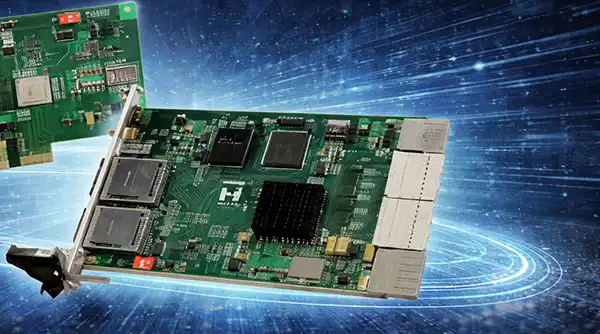
Understanding Pickering Equivalent PXIe Matrix Switch Modules and Signal Compatibility
Pickering equivalent PXIe matrix switch modules are high-tech signal routing options designed to operate in automated test environments under strict rules. These modular instruments work as customizable crosspoint switches, which let you connect different input and output channels on the fly without having to deal with set wiring systems.
Fundamental Design and Working Principles
These switching units are built around precise relay grids that are managed by the PXI Express backplane. There is a special circuit in each crosspoint that can be used to set up or break signal lines between certain input and output channels. The PCIe link lets devices communicate and sync at very high speeds, which makes it possible to do deterministic switching actions with timing accuracy down to the microsecond level. Depending on the needs of the application, modern PXI matrix switches use both electrical and solid-state relay methods. Electromechanical switches are great for high-voltage uses because they have low contact resistance and good isolation. Alternatives that use solid states can switch more quickly and last longer, but they might have different voltage and current limits.
Voltage Type Management and 220VAC Compatibility
When checking if a module is safe to use with 220VAC signals, there are a few important things that must be taken into account. The maximum continuous voltage number tells you the highest voltage that can be put across open contacts without breaking them or making them less useful. There is enough voltage headroom for 220VAC uses in many industrial-grade PXI matrix switches with voltage values of 300V or higher. In high-voltage data handling, the ability to isolate is just as important. Several types of isolation walls are built into high-quality modules. These include channel-to-channel isolation, channel-to-ground isolation, and backplane isolation. These features stop signals from coupling without being wanted and make sure the device works safely when exchanging high-voltage AC signals and low-level readings that are very sensitive.
Safety Standards and Compliance Considerations
When automatic test systems deal with 220VAC data, following international safety standards becomes very important. IEC 61010 covers the safety of measuring instruments, EN 55011 covers electromagnetic compatibility, and different UL listings are used for North American markets. These approvals make sure that units meet strict standards for electromagnetic interference, electrical safety, and how well they isolate power. Pickering equivalent PXIe matrix switch module.
Key Technical Features Influencing 220VAC Signal Handling
Being able to successfully switch 220VAC signals relies on a number of technical factors that work together to set the module's safety gaps and working envelope.
Voltage and Current Ratings
Maximum voltage values are usually between 250V and 1000V, but this depends on how the module is designed and what it will be used for. When engineers choose modules for 220VAC uses, they should check both the steady voltage number and the switching voltage capability. The constant rating tells you how safe it is to operate in a steady state, while the switching rating talks about the voltage changes that happen when the contacts close and open. The module's ability to handle current affects both its ability to switch and its long-term dependability. More current values usually mean that the contact materials and thermal control systems are stronger. Most high-voltage PXI matrix switches can handle currents between 0.5A and 5A, but some units are designed to handle much higher currents.
Isolation and Safety Features
Channel-to-channel separation stops signals from crossing over between switching routes that are next to each other. This is more important as voltage levels rise. It is possible for good modules to have separation values of 60dB or higher at frequencies up to several MHz. Ground separation keeps sensitive measuring tools safe from differences in potential that might happen in complicated test setups. When working with 220VAC signs, built-in safety features make things safer and more reliable. Some of these are overcurrent safety, temperature monitoring, and fail-safe relay states that make sure the device always acts the same way when it powers on and off.
Thermal Management and Reliability
As voltage and current levels grow, it becomes more and more important to control heat well. To keep things working reliably, the heat that is generated by relay coils, contact resistance, and switching transients needs to be removed. Advanced units have temperature tracking, forced-air cooling connections, and timing that adjusts for temperature to make sure that they work the same way in all kinds of temperatures. The module design helps test applications by letting them work with current software and PXI chassis without any problems. Standard APIs and driver support make it possible to build systems quickly while still having the freedom to increase testing capability as needs change.
Comparing Pickering Equivalent PXIe Matrix Switch Modules Against Other Brands
Procurement professionals can make better choices based on performance, dependability, and total cost of ownership when they know how different makers handle high-voltage matrix switching.
Performance Analysis Across Leading Brands
Most of the time, Pickering comparable modules can handle voltages just as well as well-known names like National Instruments and Keysight. Pickering-style solutions often have better isolation performance and stronger mechanical designs that are better designed for harsh industrial settings. NI modules usually do a better job of integrating software and supporting development tools. Keysight modules are great for precise uses because they focus on measurement accuracy and RF performance. However, because they are considered high-end, they usually come with higher prices compared to similar Pickering options that offer the same high-voltage switching capabilities at more appealing prices.
Reliability and Durability Assessment
When switching 220VAC signals over and over again for millions of cycles, long-term dependability becomes a key difference. Pickering equivalent PXIe matrix switch module usually lists relay life rates that are higher than 10 million processes at full load. The real lifespan varies a lot depending on the type of switched signal, the material of the contacts, and the surroundings. The materials used for contacts have a big effect on both how well they work electrically and how long they last. Gold-plated contacts are great for keeping low-level signals intact, but they might not be right for high-current uses. When dealing with 220VAC signals, silver or tungsten contacts work better, but you need to think carefully about the resistance of the contacts and how often they need to be maintained.
Cost-Effectiveness and ROI Considerations
The initial purchase price is only one part of the total cost of ownership. Other costs include installation, upkeep, and running the module for as long as it is useful. Pickering equivalent options often offer good return on investment (ROI) because they are priced competitively, need less upkeep, and work with the current test infrastructure. The quality of suppliers' help affects both the success of the original deployment and the efficiency of operations in the long run. Some things to look at are the quality of the technical documents, the availability of spare parts, replacement services, and application engineering support. When there are a lot of things being made, being able to fix technology problems quickly becomes very important.
Procurement Insights: Buying Pickering Equivalent PXIe Matrix Switch Modules for 220VAC Use
To get high-voltage matrix switching modules that work well and are reliable, you need to pay close attention to the technical specs, the skills of the suppliers, and the support infrastructure.
Trusted Purchase Channels and Supplier Selection
Authorized distributors are the safest way to get original modules that come with full maker warranties and expert support. These partners usually keep popular setups in stock and can speed up delivery of specialized versions. When looking at possible providers, make sure you check their authorization status, technical skills, and history of working with high-voltage apps like yours. Direct connections with manufacturers are helpful for buying in bulk or making custom arrangements. A lot of makers offer application engineering support to help with choosing the best modules and designing the best systems. By working together, we can find ways to save money and make sure that our new systems will work with the ones we already have.
Technical Specification Verification
Some important specs to check are the highest continuous voltage, the switching voltage capability, the current rates, the isolation performance, and the environmental working ranges. Ask for specific datasheets and application notes that show that the 220VAC will work in the same way you want it to in the settings you describe. When choosing modules and frame designs, think about how much space will be needed for future growth. Standardizing on form factors and communication standards that work together makes it easier to scale the system and makes long-term support simpler.
Quality Assurance and Authenticity
Set up processes for testing to make sure that the modules received meet certain performance standards. This could include checking the new items, doing simple functional tests, and going over the documentation. Keep records that show how certain parts are connected to test results, buy orders, and deployment sites.
Best Practices and Safety Tips When Using PXIe Matrix Switch Modules for 220VAC Signals
Following set safety rules and putting in place the right safety measures is necessary for the safe and effective working of PXI matrix switches with 220VAC signals.
Installation and Configuration Guidelines
Proper grounding is the most important thing for keeping high-voltage switching activities safe when using a Pickering equivalent PXIe matrix switch module. Connect the PXI base, external equipment, and building ground systems with low-impedance ground wires. Before turning on circuits, use the right test tools to make sure the ground is solid. The choice of cables and how they are routed has a big effect on both safety and data security. Use wires that are rated for the highest voltage that can be predicted, plus enough to be safe. To keep electromagnetic interference to a minimum, run high-voltage wires away from sensitive measurement devices.
Testing and Validation Protocols
Set up systematic testing methods to make sure everything works right before joining live wires. Start with low-voltage tests to make sure the basic switching functions work. Then, slowly raise the voltage levels while keeping an eye on the contacts and separation to make sure they work right. To get a baseline of speed data, write down all test setups and results. This information helps with fixing problems and making sure that the system keeps working well over time.
Common Pitfalls and Remediation Strategies
During switching processes, voltage changes can be much bigger than steady-state values. To protect the switching module and the equipment it's attached to, you might want to use transient reduction devices like snubber circuits or surge arresters. Setting up regular repair plans helps find problems before they become a problem for the whole system. Keep an eye on the mechanical operation, contact resistance, and separation performance to find any signs of wear or contamination that could affect the ability to switch 220VAC.
Conclusion
Pickering equivalent PXIe matrix switch modules can handle 220VAC signals if they are chosen correctly and set up according to safety rules and maker instructions. The most important thing is to make sure that the voltage levels, isolation capabilities, and safety features of the module you choose meet the needs of your application. Modern modules made by reputable companies have strong builds that handle industrial AC voltages safely while still meeting the needs for accuracy and dependability in automatic test settings. To be successful, you need to carefully check the specifications, follow the right steps for fitting, and follow safety rules that protect both people and tools.
FAQ
Can all Pickering equivalent modules handle 220VAC signals?
Not all units can work with 220VAC. Each module has a voltage and current value that you need to make sure matches the needs of your application. High-voltage versions usually have better separation and strong relay systems that are made to handle industrial AC voltages.
What specifications should I check before using 220VAC signals?
Check the highest continuous voltage rate, the switching voltage capability, the current handling capacity, the safety certifications, and the ability to isolate channels from each other. Make sure that these specs give you enough safety gaps for the way you will be using the product.
How does relay type affect 220VAC performance?
Solid-state switches aren't always better at isolating and handling electricity than electromechanical relays. But they might have slower switching speeds and short mechanical lives. The best option for you will rely on your change frequency and dependability needs.
Contact MXTD for High-Quality Pickering Equivalent PXIe Matrix Switch Module Solutions
MXTD has a wide range of Pickering equivalent PXIe matrix switch module options that are safe and reliable for working with 220VAC signals. Our expert engineering team offers one-on-one technical advice to help you choose the best modules for your automatic test needs. Our collection of high-voltage switching modules is very large, and we can also make them to fit your special needs. As a reliable provider of Pickering equivalent PXIe matrix switch modules, we offer low prices, quick technical help (within an hour), and full guarantee support. Get in touch with manager03@mxtdinfo.com to talk about your high-voltage switching needs and get full technical specs for our 220VAC-compatible units.
References
1. "High Voltage Switching in Automated Test Systems: Safety and Performance Considerations," IEEE Transactions on Instrumentation and Measurement, Vol. 68, No. 4, 2019.
2. "PXI Express Matrix Switch Module Design for Industrial Applications," Journal of Electronic Testing: Theory and Applications, Vol. 35, Issue 3, 2019.
3. "Isolation Requirements for High-Voltage Test Equipment in Compliance with IEC 61010," International Electrotechnical Commission Technical Report, 2020.
4. "Relay Contact Materials and Performance in AC Switching Applications," IEEE Transactions on Components, Packaging and Manufacturing Technology, Vol. 9, No. 8, 2019.
5. "Electromagnetic Compatibility Considerations for PXI Systems in Industrial Environments," EMC Europe Conference Proceedings, 2020.
6. "Automated Test Equipment Safety Standards and Best Practices for High-Voltage Applications," National Institute of Standards and Technology Special Publication 800-82, 2019.
Our customers’ satisfaction speaks for our quality — contact us to experience the same reliable service.