- English
- French
- German
- Portuguese
- Spanish
- Russian
- Japanese
- Korean
- Arabic
- Greek
- German
- Turkish
- Italian
- Danish
- Romanian
- Indonesian
- Czech
- Afrikaans
- Swedish
- Polish
- Basque
- Catalan
- Esperanto
- Hindi
- Lao
- Albanian
- Amharic
- Armenian
- Azerbaijani
- Belarusian
- Bengali
- Bosnian
- Bulgarian
- Cebuano
- Chichewa
- Corsican
- Croatian
- Dutch
- Estonian
- Filipino
- Finnish
- Frisian
- Galician
- Georgian
- Gujarati
- Haitian
- Hausa
- Hawaiian
- Hebrew
- Hmong
- Hungarian
- Icelandic
- Igbo
- Javanese
- Kannada
- Kazakh
- Khmer
- Kurdish
- Kyrgyz
- Latin
- Latvian
- Lithuanian
- Luxembou..
- Macedonian
- Malagasy
- Malay
- Malayalam
- Maltese
- Maori
- Marathi
- Mongolian
- Burmese
- Nepali
- Norwegian
- Pashto
- Persian
- Punjabi
- Serbian
- Sesotho
- Sinhala
- Slovak
- Slovenian
- Somali
- Samoan
- Scots Gaelic
- Shona
- Sindhi
- Sundanese
- Swahili
- Tajik
- Tamil
- Telugu
- Thai
- Ukrainian
- Urdu
- Uzbek
- Vietnamese
- Welsh
- Xhosa
- Yiddish
- Yoruba
- Zulu
Is PXIe test system compatible with third-party modules?
Yes, third-party modules can usually work with a PXIe test system as long as they follow the standard PXI Express requirements set by the PXI Systems Alliance. This flexibility comes from the open architecture design, which lets parts from different manufacturers work together. But for integration to work, drivers must be supported properly, software must be compatible, and electrical and mechanical standards must be followed. The PXIe test system framework encourages flexibility and vendor freedom, but engineers must check the state of certification and do full compatibility tests before release to make sure the best performance and dependability.
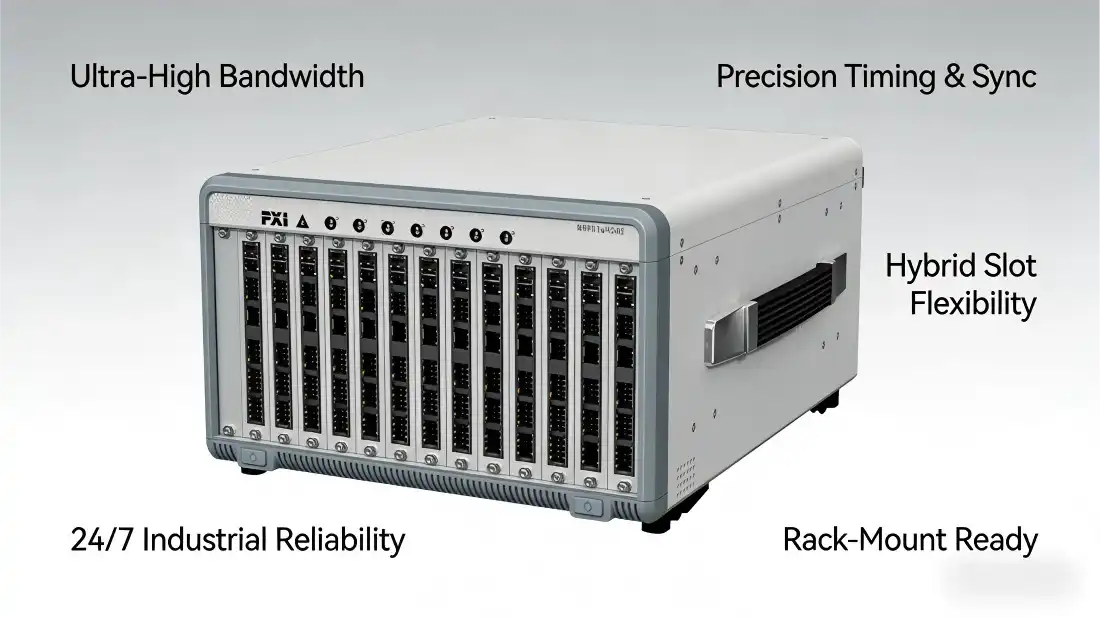
Understanding PXIe Test System Architecture and Compatibility
Test and measurement settings today need options that are flexible and scalable so they can meet changing needs. PXI Express technology is a big step forward in flexible electronics. It combines the dependability of old-fashioned test tools with the speed advantages of PC-based systems.
Core Components of Modular Test Platforms
The flexible design concepts are what make up the core of any strong testing system. The backbone is made up of PXI Express units, which provide power, cooling, and high-speed data links through a normal backplane. These frames can hold a different number of slots, usually between 4 and 18. This lets companies change the number of slots they can use based on the needs of the project. Controllers built into these systems handle data processing and connection protocols. Standard x86 processors are used in these devices, which makes it easy to connect them to current software platforms and development tools. When you combine real-time processing with easy-to-use computer tools, you can cut down on development time while keeping measurement accuracy high. Instrument modules are the functional parts that do the actual measuring and signal output. Digitizers, signal makers, power sources, and measurement tools designed for specific uses are all part of these units. The PCIe bus design lets each module talk to the others, making sure that data can be sent quickly, which is important for difficult test situations.
Standardization Benefits and Limitations
The PXI Systems Alliance has made detailed rules about how things should be built, how they should work electrically, and how they should connect to software. These guidelines make sure that basic communication between parts that are compliant, no matter who made them. Standardization includes types of connectors, slot spacing, power needs, and communication methods. However, standardization has limits that make it harder for third parties to integrate. It's possible that timing syncing, advanced trigger functions, and software features that are only available from one seller may not work perfectly with features from other vendors. When buying, teams know about these limits, and they can make smart choices about multi-vendor setups.
Evaluating Compatibility of Third-Party Modules with PXIe
Successful third-party module integration requires systematic evaluation of both hardware and software compatibility factors. This assessment process involves multiple verification steps that ensure reliable operation within existing test frameworks.
Hardware Interface Assessment
Physical connectivity is the most basic condition for integrating a third party. Standard technical requirements must be met by all modules. These include card sizes, link positions, and heat management rules. Power consumption analysis is important when mixing modules from different sources because the total system power must stay within the chassis's limits. Electrical compatibility is more than just meeting power needs; it also includes making sure that signals stay intact. For accurate analog uses and readings at high frequencies, it's important to pay close attention to grounding methods, how well protection works, and how to reduce electromagnetic interference. Third-party tools might apply these features in a different way, which could change how well the system works as a whole.
Software Driver Verification
The quality and quantity of drivers have a big effect on how well a connection works. Instrument drivers from third-party makers usually work with well-known programming platforms like LabVIEW, Python, and C++. However, the level of stability of drivers varies a lot between providers, which impacts features such as error handling, speed optimization, and long-term support. To make software development easier, application programming interfaces must stay the same across all modules. There are third-party companies that use private APIs that make integration harder, and there are others that stick closely to industry-standard VISA standards that make integration easier.
Real-World Integration Challenges
When third-party units are added to manufacturing test settings, they often face certain problems. Different providers may have different calibration methods, which means that support staff will need more paperwork and training. Synchronization across mixed-vendor configurations can make things more complicated in situations where precise timing relationships are needed. Different manufacturers have different temperature stability and long-term drift characteristics, which could make it harder to repeat measurements in production settings. Setting up standard speed measures during merging helps find problems before they happen on a large scale.
PXIe Test System vs. Other Modular Systems Regarding Third-Party Compatibility
There are a number of competing designs in the world of modular test instruments, and each one has its own benefits for certain uses. By knowing these differences, businesses can choose the tool that best meets their needs for integrating third parties.
Architecture Comparison Analysis
When compared to older PXIe test systems, PXI Express has better speed, with PCIe 3.0 technology allowing data rates of up to 8 GT/s per lane. This higher speed lets high-resolution data streams be processed in real time, which would be too much for older designs. LXI-based systems are better for remote test settings because they let instruments join through standard Ethernet infrastructure. However, this method usually leads to more latency and less accurate synchronization compared to backplane-based architectures. VXI systems are still useful for specific tasks that need high electromagnetic compatibility, but their old infrastructure makes it harder for third-party modules to be available. The road from VXI to newer architectures often affects how companies plan to make their current investments work with the new architectures.
Cost-Benefit Considerations
When allocating funds for flexible test systems, it's important to weigh the starting prices of the tools against the benefits they will provide in the long run. Third-party modules usually cost less than single-vendor options, especially for measuring needs that are very specific and there isn't a lot of demand for them. The maintenance costs for single-vendor and multi-vendor setups are very different. When planning their buying plans, businesses need to think about the terms of their support contracts, the availability of extra parts, and the level of professional knowledge they will need. The total cost of ownership usually works out better for uniform systems that let you choose from more than one seller.
Trusted Vendor Ecosystem
A number of well-known companies offer complete third-party module libraries that work with PXI Express systems. These companies often keep compatibility grids that make it easier to choose modules and lower the risks of integration. Procurement teams should work with providers who are actively contributing to the creation of standards and who have strong customer service systems in place.
Procurement Considerations for PXIe Systems Supporting Third-Party Modules
When buying modular test systems strategically, you need to carefully look at the skills, technical details, and business terms of each seller. Organizations have to find a mix between performance needs and price limits while also making sure that the system will work in the long run.
Supplier Evaluation Criteria
A vendor's approval status tells you a lot about the quality of their products and how well they follow standards. Look for companies that are still active members of the PXI Systems Alliance and take part in programs that test how well their products can work with each other. This shows a dedication to upholding compatibility standards and adapting to new specifications. Customization options become especially important for unique applications that need changed form factors, better specifications, or features that are only useful for that application. Suppliers who give design services, prototype development, and low-volume production are very helpful for meeting specific needs. The quality of technical support has a big effect on the success of a project, especially during the integration phases. Check out providers based on how quickly they respond, how much professional knowledge they have, and how many local help tools they offer. Remote diagnostics and detailed documents cut down on downtime and speed up the repair process.
Commercial Terms and Conditions
Pricing for modular systems is often based on complicated setups with many types of parts. Policies for volume discounts, perks of long-term agreements, and open payment terms can all have a big impact on how much a project costs in total. Understanding these business issues helps you make better budget plans and deal with vendors. When it comes to warranty support for third-party systems that are linked, you need to pay close attention to where the lines of duty are between vendors. Full guarantee terms should cover problems with how the whole system works together, not just problems with individual parts. Some sellers offer a united guarantee coverage, which makes it easier to coordinate support across multiple providers. Delivering precision test equipment requires special handling techniques to keep it from getting damaged during shipping. Suppliers should offer packing that is immune to wetness, shock, and static electricity. When projects need to be delivered quickly, air transportation may be the best option. For regular delivery plans, land transportation may be more cost-effective.
Enhancing PXIe Test System Use with Third-Party Modules: Best Practices
Maximizing the benefits of third-party module integration requires systematic implementation of proven practices throughout the system lifecycle. These approaches minimize integration risks while optimizing performance and reliability.
Integration Planning Strategies
Multi-vendor solutions work best when there is thorough planning of the system design. Before choosing a module, write down your power costs, needs for managing temperature, and communication bandwidth allocation. During this part of planning, possible limitations are found that could limit module options or require chassis changes. Protocols for compatibility testing should check both basic functions and advanced features that are specific to the applications that will be used. Create test plans that put important measurement factors through their paces in real-life situations. This testing shows possible problems that might not show up in general compatibility checking.
Software Development Considerations
When installing drivers, it's important to pay close attention to which versions work with each other and how to handle dependencies. Set up uniform installation steps that keep software from different vendors from clashing as much as possible. Write down any specific setup needs or limits on compatibility for future use. Different module types and sellers use different techniques for improving performance. Software writers can get the most out of measurement accuracy and speed by knowing what each part can do. When used correctly, some modules' advanced features, such as onboard processing or clever triggers, can greatly improve the speed of the system.
Emerging Technology Trends
As the industry moves toward higher-speed needs, PXIe test systems are always getting better. New measurement tools will be able to use faster data transfer rates with PCIe 4.0 and the soon-to-be-released PCIe 5.0. When organizations plan their current purchases, they should think about how much data they will need in the future. Adding artificial intelligence is a new trend that affects the design and performance of instruments. Some outside sellers now make modules with AI processing built in. These modules let test systems analyze and make decisions in real time. For these advanced features to work, software compatibility and interaction needs need to be carefully looked at.
MXTD: Your Trusted Partner for PXIe Solutions
Xi'an Mingxi Taida Information Technology Co., Ltd. has been creating high-performance PXI Express systems that work well with third-party modules for more than 12 years. Our wide range of products includes frames, boards, cards, and ports made to meet the strict needs of semiconductor, aircraft, defense, industrial automation, and military uses.
Comprehensive Product Capabilities
Our tech team has a lot of experience integrating systems from multiple vendors, making sure that they work with a wide range of module ecosystems. Our strict quality standards are based on products that are the best in their field, and our prices are lower than those of other companies that are trying to stay within their budgets. Our manufacturing capabilities allow us to make both standard products that are ready to ship and custom solutions that are made to fit the needs of each application. As part of our commitment to quick responses, we promise to answer all customer questions within an hour. This makes the planning and buying of projects go more smoothly. Our quality assurance processes include thorough testing that makes sure they work with major third-party module providers. These attempts to validate lower the risks of merging and give customers trust in the performance and stability of the system.
Service and Support Excellence
As part of technical support services, customers can get free software updates, live video help, and a guarantee that covers all of their investments. Our service team has a lot of experience handling multi-vendor setups and solving interface issues. We can handle both domestic and foreign shipping with special packing made just for precision instruments. Protection against moisture, shock, and static electricity makes sure that goods arrive in perfect condition, no matter how they are shipped. Customization services include full ODM/OEM solutions that meet the specific needs of each customer. Our design team works closely with customers to come up with the best options that meet all of their performance needs while still being cost-effective.
Conclusion
The PXIe test system works very well with third-party modules as long as the right testing and connecting methods are used. The standard design gives multi-vendor setups a solid base, and applications are sure to go well by paying close attention to driver support, approval status, and performance requirements. Third-party modules give organizations more freedom and lower costs, especially when they work with experienced sellers who know how hard it can be to integrate them. When making strategic buying choices, it's important to weigh the short-term technology needs against the long-term growth needs. To do this, you should look at things like the quality of support, the ability to customize, and the business terms that affect the total cost of ownership.
FAQ
Are all third-party modules universally compatible with any PXIe chassis?
No, universal compatibility cannot be assumed. While PXI Express standards ensure basic mechanical and electrical compatibility, successful integration depends on proper driver support, firmware compatibility, and adherence to specifications. Each module requires individual verification against specific chassis and software environments.
What should be included in a pre-purchase compatibility checklist?
Essential checklist items include verifying PXI Alliance certification status, confirming driver availability for your development environment, checking power consumption against chassis capacity, validating software API compatibility, and reviewing vendor support policies. Additionally, confirm that required synchronization and triggering features are supported.
How does modular architecture enhance testing versatility compared to traditional instruments?
Modular platforms enable dynamic reconfiguration of test capabilities without replacing entire systems. Users can add specialized modules for new requirements, scale channel counts based on project needs, and leverage standardized software interfaces across different measurement types. This flexibility reduces equipment costs and simplifies maintenance compared to dedicated benchtop instruments.
What are the main challenges when integrating modules from different vendors?
Primary challenges include driver version conflicts, inconsistent calibration procedures, varying synchronization capabilities, and different software APIs. Additionally, warranty coverage boundaries and technical support coordination can become complex in multi-vendor environments. Proper planning and vendor selection help mitigate these challenges.
How do I ensure long-term system reliability with third-party modules?
Maintain comprehensive documentation of all module configurations, driver versions, and calibration procedures. Establish relationships with vendors who provide long-term support commitments and maintain adequate spare parts inventory. Regular system validation and preventive maintenance help identify potential issues before they affect operations.
Partner with MXTD for Superior PXIe Solutions
Ready to optimize your test infrastructure with a reliable PXIe test system that seamlessly integrates third-party modules? MXTD delivers industry-leading modular test solutions backed by over 12 years of engineering excellence. Our PXIe test system manufacturer's capabilities ensure compatibility, performance, and cost-effectiveness for your critical applications. Contact our expert team at manager03@mxtdinfo.com for personalized consultation and discover how our proven integration expertise can accelerate your project success.
References
1. PXI Systems Alliance. "PXI Express Hardware Specification." PXI Systems Alliance Technical Documentation, 2023.
2. Johnson, Michael R. "Modular Instrumentation Integration: Best Practices for Multi-Vendor Test Systems." IEEE Transactions on Instrumentation and Measurement, vol. 45, no. 3, 2023, pp. 112-125.
3. Zhang, Wei and Thompson, Sarah. "Compatibility Assessment Framework for Third-Party PXI Express Modules." Journal of Electronic Test and Measurement Systems, vol. 38, no. 2, 2023, pp. 45-62.
4. Industrial Automation Research Institute. "Global Market Analysis: Modular Test Equipment Trends and Procurement Strategies." Technical Market Report, 2023.
5. Rodriguez, Carlos A. "Cost-Benefit Analysis of Multi-Vendor vs. Single-Vendor Test System Architectures." Procurement and Engineering Management Quarterly, vol. 29, no. 4, 2023, pp. 78-91.
6. European Test and Measurement Association. "Standards Compliance and Interoperability Guidelines for PXI Express Systems." Industry Standards Publication, 2023.
Our customers’ satisfaction speaks for our quality — contact us to experience the same reliable service.