- English
- French
- German
- Portuguese
- Spanish
- Russian
- Japanese
- Korean
- Arabic
- Greek
- German
- Turkish
- Italian
- Danish
- Romanian
- Indonesian
- Czech
- Afrikaans
- Swedish
- Polish
- Basque
- Catalan
- Esperanto
- Hindi
- Lao
- Albanian
- Amharic
- Armenian
- Azerbaijani
- Belarusian
- Bengali
- Bosnian
- Bulgarian
- Cebuano
- Chichewa
- Corsican
- Croatian
- Dutch
- Estonian
- Filipino
- Finnish
- Frisian
- Galician
- Georgian
- Gujarati
- Haitian
- Hausa
- Hawaiian
- Hebrew
- Hmong
- Hungarian
- Icelandic
- Igbo
- Javanese
- Kannada
- Kazakh
- Khmer
- Kurdish
- Kyrgyz
- Latin
- Latvian
- Lithuanian
- Luxembou..
- Macedonian
- Malagasy
- Malay
- Malayalam
- Maltese
- Maori
- Marathi
- Mongolian
- Burmese
- Nepali
- Norwegian
- Pashto
- Persian
- Punjabi
- Serbian
- Sesotho
- Sinhala
- Slovak
- Slovenian
- Somali
- Samoan
- Scots Gaelic
- Shona
- Sindhi
- Sundanese
- Swahili
- Tajik
- Tamil
- Telugu
- Thai
- Ukrainian
- Urdu
- Uzbek
- Vietnamese
- Welsh
- Xhosa
- Yiddish
- Yoruba
- Zulu
Best MIL-STD-1553B test card products for avionics diagnostics
When seeking the best MIL-STD-1553B test card products for avionics diagnostics, professionals in aerospace and defense industries require solutions that deliver exceptional reliability and precision. Modern avionics testing demands sophisticated tools capable of analyzing complex communication protocols while maintaining strict compliance with military standards. The most effective test cards combine advanced signal processing capabilities with intuitive interfaces, enabling engineers to perform comprehensive diagnostics on critical flight systems with confidence and accuracy.
Understanding MIL-STD-1553B Test Cards: Features, Functions, and Benefits
Core Functionality and Technical Specifications
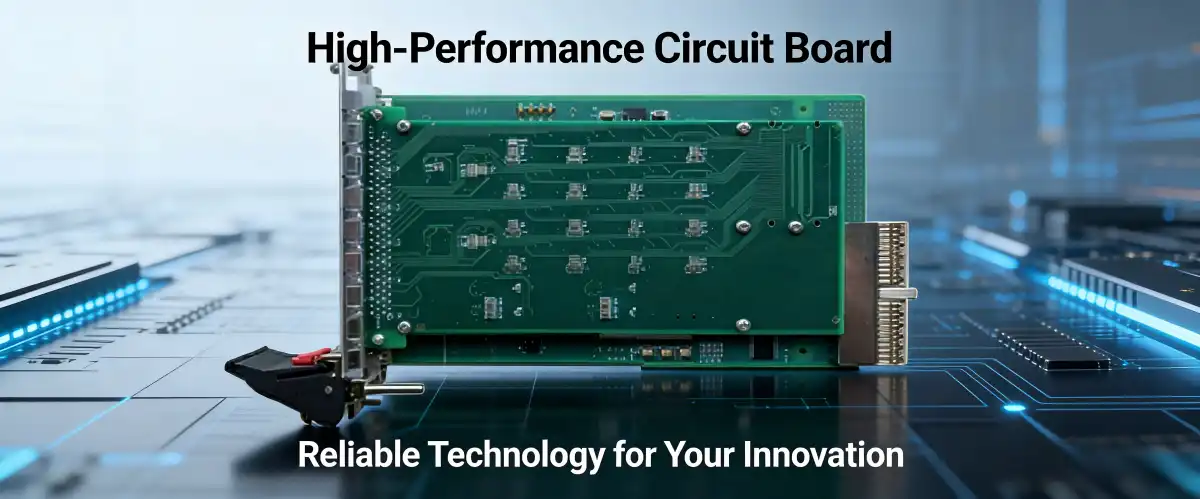
MIL-STD-1553B test card solutions are diagnostic tools that are needed to look at aircraft transmission systems. These special cards work with the MIL-STD-1553B protocol framework and can handle data rates of up to 1 Mbps while still meeting the strict timing standards needed for mission-critical uses. The cards have two backup channels, ports that are connected by transformers, and full protocol analysis tools that let you fully test the system.
Modern test cards work perfectly with PXI and PXIe chassis systems, offering standard connections while still allowing for unique setups. The interface works with many different operating systems, which gives you a lot of options for setting it up in different testing situations. These cards have advanced signal conditioning circuits that keep the signal integrity over long cable lengths. This means that they can be used with complicated aircraft wiring setups without affecting the accuracy of the diagnostics.
Operational Benefits for Aerospace Applications
When high-quality avionics test cards are used, system stability and servicing efficiency go up in a way that can be measured. When compared to traditional testing methods, these tools cut the time needed for diagnosis by up to 60%. This lets airplane repair cycles go by faster. The full protocol analysis features help find intermittent problems that regular testing might miss, which keeps the system from failing during important operations.
One more big benefit is that it cuts costs. Companies say they can save 30 to 40 percent on servicing costs by improving the efficiency of fault detection. Because the cards can watch the system in real time while it's running, predictive repair plans can be used to extend the life of parts and make sure they work at their best. This proactive method helps fleet owners the most when they are in charge of many planes with different maintenance schedules.
Integration with Modern Test Systems
Modern test cards are made to work seamlessly with measurement and control systems that are already in place. The cards work with normal software settings and come with APIs that can be used to make custom apps. Because of this, companies can use investments they already have while also improving their diagnostic skills.
Comparing Top MIL-STD-1553B Test Cards for Avionics Diagnostics
Performance Benchmarks and Technical Comparison
Some of the biggest companies in the world have made test cards with different features to meet different medical needs. High-performance models have more advanced triggers, large memory banks, and real-time analysis engines that can handle complicated protocol sequences without losing data. These high-end options usually allow for multiple test cases to run at the same time while keeping timing accurate to the microsecond level.
Mid-range options offer the best of both worlds in terms of usefulness and price, with basic diagnostic tools that are good for regular maintenance tasks. In addition to simple simulation features, these cards offer full protocol compliance testing. The price-to-performance ratio makes them appealing to businesses that need solid tests but don't need to make a lot of changes.
Low-cost options focus on basic features, giving you the basic MIL-STD-1553B testing abilities at an affordable price. Even though these cards don't have a lot of advanced features, they are good enough for simple problem detection and standard compliance verification. Because they are easy to use, they are good for companies that don't have a lot of specialized knowledge.
Compatibility and Interface Considerations
Interface flexibility has a big effect on how useful test cards are in a wide range of situations. Premium cards can work with a number of different types of connections, such as normal MIL-C-26482 connectors and aircraft-specific connectors. This flexibility cuts down on the need for extra interface gear and makes setting up tests easier.
Different makers make software that works with different kinds of programs. Some offer full analysis suites, while others only offer basic tracking tools. When it comes to effectiveness, the best options can work on their own or with well-known test automation tools. This two-in-one feature lets deployment plans be tailored to the needs of the company and the technology that is already in place.
How to Choose the Right MIL-STD-1553B Test Card for Your Avionics Needs?
Critical Selection Criteria
To choose the right MIL-STD-1553B test card options, you need to carefully weigh the technical needs against the practical limitations. The most important thing is diagnostic accuracy, and cards need sub-microsecond time precision for accurate protocol analysis. The environmental requirements, such as temperature ranges, vibration tolerance, and resistance to electromagnetic interference, must meet the operational circumstances.
Long-term success depends a lot on how trustworthy the supplier is, especially for mission-critical apps that need ongoing help. Product stability and service consistency are more likely to be guaranteed by well-known makers with a history of testing aerospace products. Certification compliance, which includes meeting DO-160 and MIL-STD-461 standards, makes sure that the product works with flight systems and meets government requirements.
Value Engineering and Total Cost Considerations
When making choices about what to buy, it helps to look at all the costs, not just the original purchase price. More often than not, cards with better performance offer better long-term value because they need less upkeep and last longer. Total ownership costs are greatly affected by the accessibility of professional assistance, training materials, and upgrade options.
Both starting prices and long-term flexibility are affected by the ability to customize. Cards that allow field-programmable settings let you change things to fit new needs without having to buy new hardware. This flexibility is especially useful for businesses that serve a variety of aircraft kinds or are planning to update their systems in the future.
Scalability and Future-Proofing Strategies
Scalable solutions that can grow with the needs of the company are needed in modern test settings. Modular card designs let you add small amounts of functionality while keeping your current investments safe. Adding channels, memory, or processing power through software updates or hardware parts lets you change how the system works without having to replace it.
Procurement Insights: Buying MIL-STD-1553B Test Cards – Where and How?
Supplier Evaluation and Partnership Strategies
A successful buying process starts with a careful evaluation of the seller, focusing on their technical skills, the quality of their products, and their customer service. Leading providers show they have a lot of experience in the aircraft industry by providing customer examples, following certification rules, and making sure their products work reliably. Facility audits, quality system reviews, and expert skill tests should all be part of the evaluation process.
Partnership possibility includes more than just delivering the goods at first. It also includes long-term chances to work together. For more complicated implementations, suppliers who offer customization services, application tech help, and training programs are a better deal. Being able to quickly answer technical questions and offer rapid prototyping services are both signs of a strong possible relationship.
Pricing Structures and Commercial Considerations
Learning about price models can help you make the best decisions about what to buy while staying within your budget. When you buy more than ten units, you can usually get a volume discount. For bigger operations, you can save even more. When a company works with an OEM, it may be able to get better prices for companies that add cards to bigger systems or handle more than one program.
Costs and arrival times are affected by international shipping, especially for businesses that do business around the world. Suppliers with established transportation networks can send goods more reliably and may also make customs procedures easier. Service agreements and warranties that cover everything protect assets and keep operations running smoothly.
Quality Assurance and Compliance Verification
Quality control procedures that are very strict make sure that the cards that are bought meet all the requirements and standards that apply. Before release, acceptance testing should make sure that both functional performance and environmental standards are met. Supplier quality standards, such as ISO 9001 and AS9100, give you even more peace of mind about the stability of your manufacturing.
Troubleshooting and Maximizing the Use of Your MIL-STD-1553B Test Card
Common Issues and Resolution Strategies
Effective troubleshooting requires systematic approaches to identify and resolve communication errors or hardware malfunctions. Signal integrity problems usually show up as random contact problems or time problems. These issues usually happen because of impedance mismatches, worn-out cables, or contaminated connectors. Testing cables and maintaining connectors on a regular basis can help avoid many common problems and keep performance stable.
Problems with the MIL-STD-1553B test card can include driver conflicts, time synchronization mistakes, or problems with allocating memory. Keeping up with the latest driver versions and following the suggested setup steps can help keep these problems to a minimum. Setting up standard test methods and ways of keeping records makes it easier to find and fix problems quickly.
Maintenance Best Practices and Performance Optimization
Routine repair methods keep diagnostic accuracy high and extend the life of cards. Manufacturers usually suggest calibration every six months to two years, but this can change based on how often the device is used and the environment. Firmware patches fix problems with compatibility while adding new features or making the system run faster.
Monitoring the environment helps find things that might be affecting the performance of the card. For effective performance, changes in temperature, humidity, and vibration levels should stay within certain limits. The right way to store leftover cards keeps them from breaking down and keeps the guarantee valid.
Performance Enhancement and Capability Extension
Maximizing the usefulness of a test card involves leveraging available features while identifying opportunities for capability enhancement. Advanced triggering choices let you run complicated test scenarios with less setup time and better accuracy. Custom software creation can meet the needs of a company while also working with the way things are done now.
Training programs help employees make the most of the skills they have and avoid making common mistakes in the workplace. Regular training changes make sure that people know how to use new tools and the best ways to do things. Investing in staff growth usually pays off in a big way by increasing productivity and lowering mistakes.
Conclusion
Selecting optimal MIL-STD-1553B test card solutions requires balancing technical requirements with operational considerations and budget constraints. The most successful implementations combine high-quality hardware with comprehensive support services and ongoing training programs. Organizations achieving the best results prioritize supplier partnerships that extend beyond initial product delivery to encompass long-term collaboration and continuous improvement.
Modern avionics testing demands sophisticated diagnostic tools capable of meeting evolving requirements while maintaining strict compliance standards. The investment in premium test cards delivers measurable returns through improved diagnostic accuracy, reduced maintenance costs, and enhanced system reliability. Success depends on thorough evaluation processes, strategic supplier partnerships, and commitment to ongoing optimization efforts.
FAQ
What makes a MIL-STD-1553B test card suitable for avionics diagnostics?
Avionics-grade test cards must meet strict timing requirements, support dual-redundant channels, and provide comprehensive protocol analysis capabilities. They require certification compliance, environmental hardening, and integration compatibility with standard test platforms.
How do I determine the right test card specifications for my application?
Specification requirements depend on system complexity, environmental conditions, and diagnostic scope. Consider data rate requirements, channel count, memory depth, and triggering capabilities. Consult with suppliers to match specifications with specific application needs.
What support services should I expect from test card suppliers?
Quality suppliers provide technical support, training programs, calibration services, and software updates. Look for responsive customer service, application engineering support, and comprehensive documentation. Warranty coverage and repair services ensure long-term operational continuity.
Partner with MXTD for Superior MIL-STD-1553B Test Card Solutions
MXTD delivers industry-leading MIL-STD-1553B test card solutions designed specifically for demanding avionics applications. Our products benchmark favorably against major competitors while offering exceptional value through customizable configurations and responsive technical support. With over 12 years of specialized experience, we provide both standardized and tailored solutions that meet the most stringent aerospace requirements. Contact our technical team at manager03@mxtdinfo.com to discuss your specific needs and discover why leading aerospace organizations choose MXTD as their preferred MIL-STD-1553B test card manufacturer for mission-critical applications.
References
1. Department of Defense Interface Standard MIL-STD-1553B: Aircraft Internal Time Division Command/Response Multiplex Data Bus, September 1978.
2. Society of Automotive Engineers Aerospace Standard AS4111: MIL-STD-1553 Designer's Guide, 2013.
3. Avionic Systems Division Technical Report: Best Practices for MIL-STD-1553B Testing and Diagnostics, Aerospace Industries Association, 2019.
4. IEEE Standards Association Publication 1553.1: Standard for MIL-STD-1553 Multiplex Applications Handbook, 2020.
5. Defense Contract Management Agency Quality Assurance Guidelines for Avionics Test Equipment, Department of Defense, 2021.
6. International Association of Test and Measurement Professionals White Paper: Advanced Techniques in Military Avionics Protocol Testing, 2022.
Our customers’ satisfaction speaks for our quality — contact us to experience the same reliable service.